

In Ayurveda, allergies are not viewed merely as isolated reactions to external substances. They are understood as a reflection of weakened internal balance, disturbed immunity, impaired metabolism, and increased sensitivity of the body toward environmental or dietary triggers.
Conditions such as recurrent sneezing, allergic rhinitis, dust allergy, pollen allergy, smoke sensitivity, sinus irritation, food allergies, and skin hypersensitivity are becoming increasingly common today. Ayurveda explains that this rise is closely connected to changing lifestyle patterns, disturbed digestion, stress, environmental exposure, and weakened resistance of the body.
From an Ayurvedic perspective, allergy is not considered a disease in itself, but rather a condition that develops when the body becomes hypersensitive and unable to tolerate certain causative factors properly.
Substances such as dust, smoke, pollution, pollen, weather changes, and certain foods are constantly present in the environment. It is not always possible to completely avoid them. Therefore, Ayurveda places greater emphasis on strengthening the body internally so that exposure to such triggers does not repeatedly disturb the system.
This is why Ayurvedic management of allergies focuses not only on suppressing allergic reactions temporarily, but on improving the body’s tolerance, resistance, and overall stability.

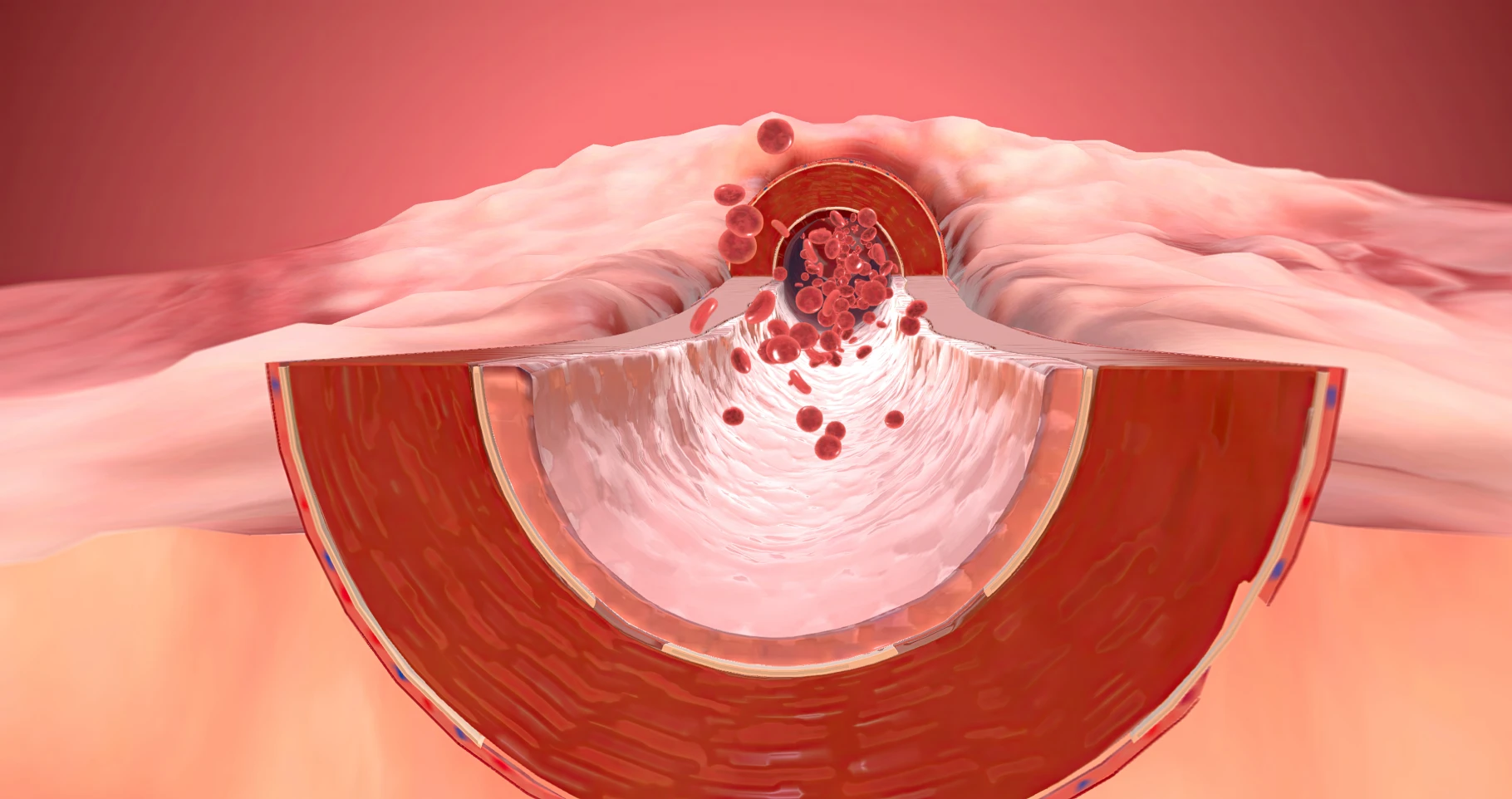
One of the most important Ayurvedic concepts in understanding allergies is Agni, the body’s digestive and metabolic intelligence.
Ayurveda strongly believes that immunity is directly dependent on the strength and quality of Agni. When Agni functions properly:
Digestion remains efficient | Nutrient absorption improves | Tissue nourishment remains healthy | Metabolism functions properly | The body develops stronger resistance and stability
Ayurveda explains two important levels of Agni:
This is the primary digestive fire responsible for digestion of food at the gross level.
This refers to the subtle metabolic activity occurring at the tissue level. It is responsible for proper transformation, nourishment, and functioning of Dhatus within the body.
When both Sthula Agni and Sukshma Agni remain healthy, the body is able to:
Maintain stronger immunity | Respond better to environmental exposure | Maintain healthier tissue balance | Reduce hypersensitivity reactions
However, when Agni becomes disturbed due to:
Irregular eating habits | Processed and heavy foods | Disturbed sleep | Stress and anxiety | Sedentary lifestyle | Poor digestion
the body gradually loses its ability to maintain balance properly.
This creates increased sensitivity and instability within the system. As a result, even common environmental exposure may begin triggering reactions such as sneezing, congestion, itching, rhinitis, food intolerance, and recurrent allergies.
Ayurveda therefore considers Agni correction one of the most important aspects of long term allergy management.


Ayurveda explains that a strong immune system is not merely the absence of disease. It is the body’s ability to maintain stability and proper response even in changing environmental conditions.
When metabolism weakens and Doshas remain disturbed for prolonged periods, the body’s response mechanisms become unstable and hypersensitive. This creates abnormal reactions toward otherwise manageable external factors.
In many individuals, chronic stress, poor sleep, emotional strain, and long standing digestive disturbance continuously weaken internal balance. Over time, the body loses adaptability and becomes more reactive.
This is why allergies often become chronic and recurrent rather than temporary.
Ayurveda approaches this condition by improving:
Digestive strength | Metabolic efficiency | Tissue nourishment | Nervous system stability | Respiratory health | Overall resilience of the body
The goal is to gradually improve the body’s internal strength so that sensitivity reduces naturally over time.


Ayurveda places great importance on Rasayana Chikitsa in strengthening immunity and improving long term resistance.
Rasayana Chikitsa refers to rejuvenative therapies aimed at:
However, Ayurveda clearly explains that Rasayana therapies should ideally be started only after correcting:
If Agni remains weak, the body may not properly absorb or utilise nourishment effectively.
Therefore, Ayurvedic treatment first focuses on:
and only then strengthening immunity through Rasayana support.
This sequential approach is considered extremely important in authentic Ayurvedic treatment.
At Ojas Ayurved, allergy management focuses on strengthening the body internally rather than only suppressing symptoms temporarily.
Treatment is personalised according to:
Type of allergy | Trigger patterns | Digestive strength | Lifestyle habits | Dosha predominance
Severity and frequency of symptoms
The Ayurvedic approach may include:
Digestive and metabolic correction
Dietary regulation | Lifestyle stabilisation | Respiratory support | Panchakarma therapies where required | Nasya therapies | Rasayana Chikitsa | Personalised Ayurvedic medicines
Lifestyle correction forms a very important part of treatment because modern habits continuously weaken immunity and metabolic balance.
Proper sleep, healthy digestion, regular meals, exercise, stress management, and balanced routines help improve the body’s resistance naturally.
Ayurveda strongly believes that the stronger the body’s internal balance and immunity, the better its ability to tolerate environmental exposure without developing recurrent allergic reactions.
At Ojas Ayurved, allergy care is approached through a holistic and root cause based Ayurvedic perspective focused on improving Agni, strengthening immunity, reducing hypersensitivity, and supporting long term wellbeing naturally.



info@ojasayurved.com
+91 989014 3920 +91 20 82370 38169
Samruddhi society first floor flat no 1. United western colony. Near Tathawade udyan. Opposite Keyur 60 and chintamani society. Karve Nagar Pune 411052