

Ayurveda explains that female reproductive health depends greatly on the balance of:
along with proper nourishment of the Dhatus. Among the Sapta Dhatus, Rasa Dhatu and Rakta Dhatu are especially important in women’s health.
Rasa Dhatu is responsible for:
When Rasa Dhatu becomes weak or improperly formed due to poor digestion, stress, irregular lifestyle, or disturbed Agni, hormonal imbalance gradually develops.
Rakta Dhatu is closely connected with:
Disturbance in Rakta Dhatu may contribute to:
Ayurveda also recognises that chronic stress, disturbed sleep, excessive workload, emotional strain, and irregular routines significantly disturb Vata and Pitta Dosha, affecting menstrual and hormonal balance over time.
PCOD (Polycystic Ovarian Disease) and PCOS (Polycystic Ovarian Syndrome) are among the most common hormonal conditions affecting women today.
Ayurveda primarily associates PCOD and PCOS with an imbalance in:
Kapha Dosha | Vata Dosha | Meda Dhatu | Rasa Dhatu
When metabolism becomes sluggish and Dhatu nourishment becomes disturbed, hormonal imbalance gradually develops. This may affect ovulation and menstrual regularity.
Common symptoms include:
Irregular or delayed periods | Weight gain | Acne | Hair fall | Excess facial hair | Fatigue | Difficulty conceiving
Ayurveda focuses on improving Agni, correcting metabolism, supporting healthy ovulation, balancing hormones naturally, and restoring menstrual regularity through dietary correction, lifestyle management, Panchakarma, and personalised medicines.
Endometriosis is understood as a condition involving aggravated Vata and Pitta along with Rakta Dhatu disturbance.
It is often associated with:
Ayurveda approaches endometriosis by focusing on reducing inflammation, improving circulation, calming Vata imbalance, supporting healthy menstrual flow, and strengthening reproductive tissues.
Stress management and lifestyle correction are important because chronic stress may aggravate pain and hormonal imbalance further.
Fibroids are considered growth related imbalances involving Kapha accumulation, Meda Dhatu disturbance, and obstruction within reproductive channels.
Symptoms may include:
Ayurvedic management focuses on improving metabolism, supporting circulation, reducing excessive Kapha accumulation, and correcting the tissue imbalance contributing to abnormal growth formation.
In Ayurveda, infertility is not viewed as an isolated reproductive issue. It is understood as a result of imbalance involving:
Hormonal health | Digestion and metabolism | Dhatu nourishment | Stress | Menstrual health | Lifestyle patterns
Healthy conception depends on proper nourishment of Shukra and Artava Dhatu along with balanced Doshas and strong Agni.
Ayurveda therefore focuses on preparing the body through:
Hormonal balance | Panchakarma where required | Nutritional support | Stress management | Lifestyle stabilisation
The goal is to improve the body’s natural readiness for conception.
Dysfunctional uterine bleeding is often associated with imbalance in Pitta and Rakta Dhatu.
It may present as:
Excessive menstrual bleeding | Irregular bleeding | Prolonged periods | Weakness and fatigue
Ayurveda focuses on restoring balance in Rakta Dhatu, improving hormonal stability, reducing excessive Pitta aggravation, and strengthening overall reproductive health.
Menopause is considered a natural transition in a woman’s life, but improper lifestyle, stress, and poor metabolic health can make this phase more difficult.
Common symptoms include:
Hot flashes | Mood fluctuations | Sleep disturbance | Anxiety | Fatigue | Weight changes | Joint discomfort
Ayurveda focuses on supporting women through this transition by maintaining Dosha balance, nourishing Dhatus, improving sleep, supporting emotional wellbeing, and strengthening overall vitality.
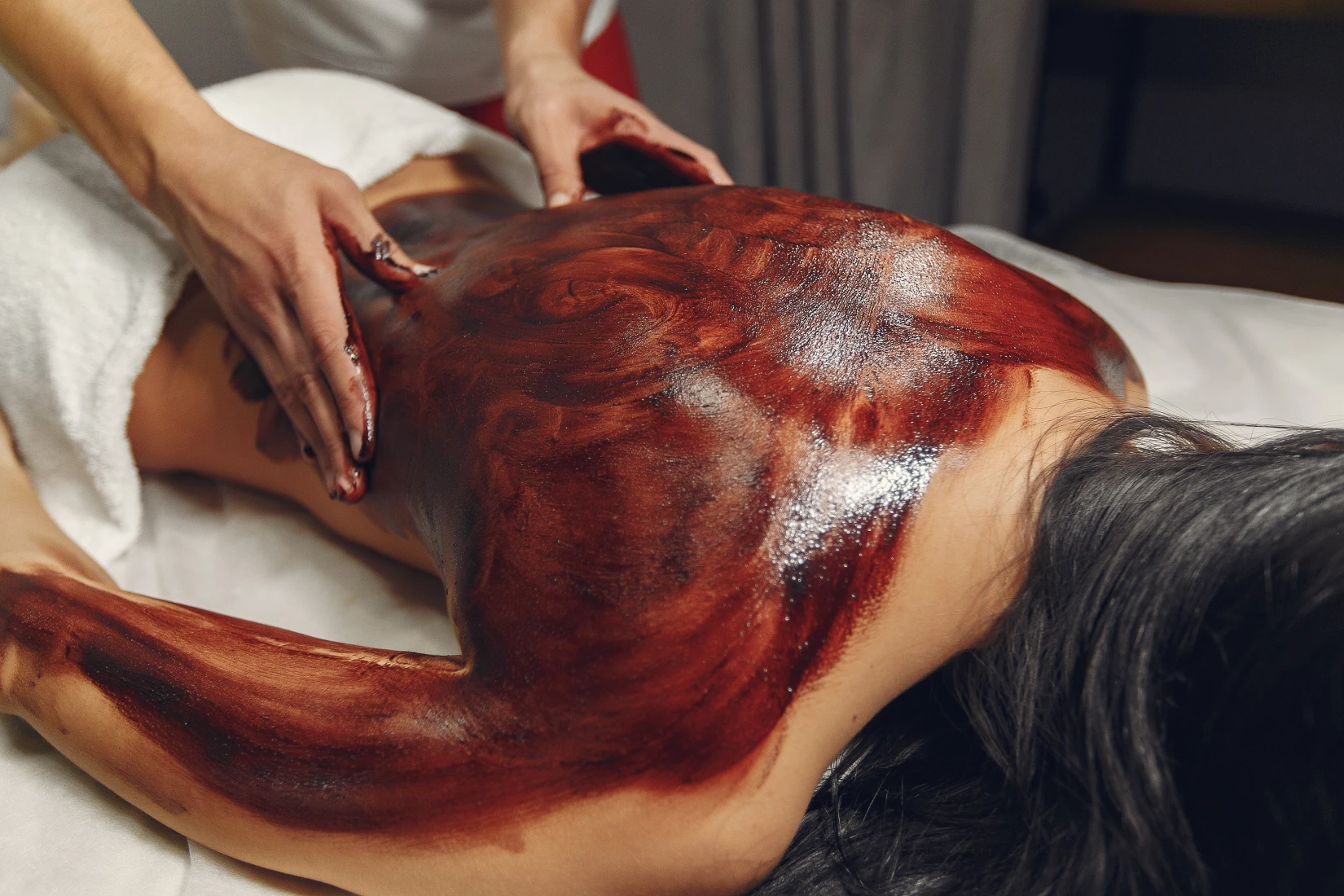

At Ojas Ayurved, women’s health is approached not only through treatment, but through prevention and long term balance.
Ayurveda strongly recommends preventive Panchakarma, especially for women above the age of 35, because hormonal and metabolic imbalances often begin developing silently years before symptoms become severe.
Modern lifestyles continuously place stress on the female body through:
Irregular schedules | Chronic stress | Disturbed sleep | Processed food intake | Sedentary habits | Mental and emotional strain | Hormonal fluctuations
Over time, these factors gradually weaken Agni, disturb Dosha balance, and affect Dhatu nourishment, particularly Rasa and Rakta Dhatu which are closely connected to hormonal and menstrual health.
Many women continue functioning despite:
Fatigue | Mood fluctuations | Weight gain | Sleep disturbances | Irregular cycles | Reduced energy | Increased stress
These are often early signs that the body’s internal balance is becoming disturbed.
Ayurveda strongly believes that prevention is easier and more effective than treating chronic imbalance later.
This is why annual preventive Panchakarma is highly recommended for women, particularly after the age of 35, when hormonal transitions, stress accumulation, metabolic slowing, and tissue depletion gradually begin increasing.
Preventive Panchakarma helps:
Improve hormonal balance | Support menstrual health | Improve metabolism and Agni | Reduce physical and mental stress | Improve sleep quality | Support emotional wellbeing | Nourish Dhatus | Support healthy ageing and menopausal transition | Improve overall vitality and energy
Panchakarma is not merely a detox treatment. It is a systematic Ayurvedic process designed to restore internal balance, improve tissue nourishment, support micro metabolism, and strengthen the body’s natural functioning.
For women, this becomes especially important because hormonal health is deeply connected to overall physical, mental, and emotional wellbeing.
At Ojas Ayurved, preventive Panchakarma programs are personalised according to:
Age | Prakriti (body constitution) | Hormonal condition | Lifestyle patterns | Stress levels | Existing symptoms and imbalances
The focus is not only symptom relief, but helping women maintain long term balance, strength, and wellbeing through every stage of life.
While fibroids are almost always non-cancerous (benign), leaving them untreated can lead to a progressive worsening of your quality of life. If ignored, fibroids may:

info@ojasayurved.com
+91 989014 3920 +91 20 82370 38169
Samruddhi society first floor flat no 1. United western colony. Near Tathawade udyan. Opposite Keyur 60 and chintamani society. Karve Nagar Pune 411052