
5, Upendra – 1 Society, Opp. Hotel Nisarg, Nal – Stop Pune – 411 004

Hyper Acidity

What is acidity?

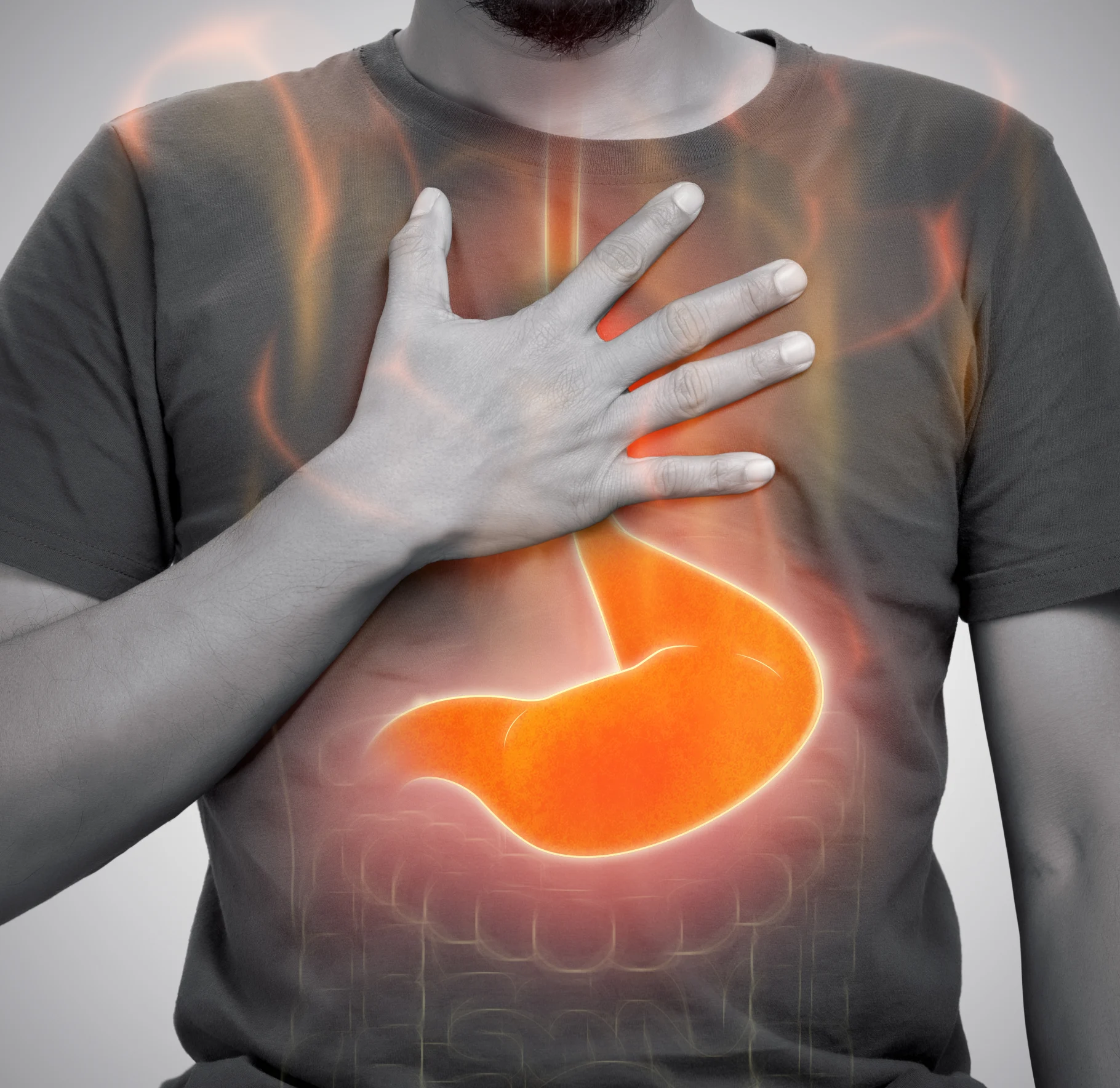
Acidity is a group of symptoms that results in imbalance between the stomach’s acid-forming mechanism and the protective layers of the stomach and proximal intestine. Under normal circumstances, the stomach secretes acid to facilitate digestion by digesting food. But when this acid is formed in excess, it may result in a condition generally referred to as acidity. Medically, it is referred to as acid reflux or heartburn. Acidity is a widespread digestive disorder that occurs when stomach acid flows back into the oesophagus. This backward flow causes irritation, often resulting in a burning sensation in the chest and throat. It affects individuals across all age groups and lifestyles.

Knowing the causes, symptoms, and natural management of acidity is crucial for proper and long-term relief. A large number of people in Pune are now resorting to Ayurveda for treating acidity, which provides side-effect-free and sustainable solutions. Ayurvedic treatments for acidity, gas and flatulence aim at balancing the digestive fire (Agni), suppressing acid formation, and enhancing the digestive system. With a judicious blend of herbal preparations, dietary modifications, and lifestyle interventions, Ojas Ayurved offers a good and gentle ayurvedic treatment for acidity.

Types of Acidity

Gastroesophageal Reflux Disease (GERD)

  • Chronic form of acid reflux.
  • Stomach acid frequently flows into the oesophagus.
  • Causes heartburn, chest discomfort, sour taste, and sometimes coughing.

Acid Dyspepsia (Indigestion)

  • Acidity-related discomfort in the upper abdomen.
  • Symptoms include bloating, nausea, and early satiety.

Hyperacidity (Excess Acid Secretion)

  • Caused by excessive production of stomach acid.
  • Often linked to stress, irregular meals, and spicy/oily food.

Ulcer-Related Acidity

  • Acidity due to gastric or duodenal ulcers.
  • Pain often gets worse on an empty stomach.

Types of Acidity in Ayurveda (Amlapitta Classification)

In Ayurveda, acidity is referred to as Amlapitta, a condition caused by an imbalance of Pitta dosha, particularly when digestive fire (Agni) becomes too sharp.
Adhoga Amlapitta (Downward Moving Acid)

Symptoms: Burning in the stomach, sour belching, loose stools, weakness. Acid disturbs the lower digestive tract.

Urdhwaga Amlapitta (Upward Moving Acid)

Symptoms: Heartburn, nausea, acid regurgitation, headache. Acid moves upward, affecting the esophagus and chest.

Vata-Pitta Amlapitta

Involves dryness, bloating, gas, and sharp burning. Caused by irregular eating habits, fasting, and dry foods.

Kapha-Pitta Amlapitta

Heaviness, nausea, coating on the tongue, slow digestion. Caused by overeating, heavy or oily foods, and sluggish metabolism.


Struggling with Acidity or Digestive Discomfort?

Discover the power of natural healing with personalized Ayurvedic care at Ojas Ayurved, Best Ayurvedic clinic in Pune. Book your consultation today and take the first step toward a healthier, balanced digestive system – the Ayurvedic way.

Most Popular Questions

High acidity, known in Ayurveda as Amla Pitta, manifests through more than just a burning sensation. Common signs include heartburn (retrosternal burning), a sour or bitter taste in the mouth, frequent burping, and bloating. You may also experience "silent" symptoms like a persistent dry cough, a feeling of a "lump" in the throat, or even unexplained headaches and skin rashes. If you feel a burning sensation in your stomach even after eating a light meal, it is a clear sign that your digestive fire (Agni) is out of balance.
While many reach for cold milk, the most effective natural drink to neutralize acidity is Coriander and Cumin Water. Soaking these seeds overnight and drinking the strained water in the morning acts as a powerful Pitta pacifier. Other excellent options include Fresh Coconut Water, which is highly alkaline and soothing to the stomach lining, and Aloe Vera juice, which acts as a natural coolant. At Ojas Ayurved, we also recommend Fennel (Saunf) Tea after meals to prevent acid formation before it starts.
To get instant relief from a sudden bout of acidity, chew on a small piece of Fresh Ginger or a few Fennel seeds to stimulate healthy digestion. Drinking a glass of lukewarm water with a teaspoon of Ghee can also help coat the stomach lining and neutralize the burning sensation. Another quick Ayurvedic remedy is to swallow a half-teaspoon of Amla powder with water; its high Vitamin C content, surprisingly, has an alkalizing effect on the stomach once digested.
Yes, drinking water can help, but the timing and temperature are crucial. Sipping small amounts of lukewarm water can help wash acid back down into the stomach and dilute the gastric juices. However, drinking a large amount of water during or immediately after a meal can actually worsen reflux by bloating the stomach and putting pressure on the Lower Esophageal Sphincter (LES). For best results, drink water 30 minutes before or 1 hour after your meals.
To remove excess acid from the root, Ayurveda uses Virechana (Therapeutic Purgation), a Panchakarma process that flushes out excess Pitta from the small intestine. For daily management, herbs like Shatavari, Yashtimadhu (Licorice), and Avipattikar Churna are excellent for absorbing excess acid and healing the mucosal lining of the stomach. Maintaining a "Pitta-pacifying diet"—avoiding spicy, fermented, and extremely salty foods—is the only way to ensure the acid does not return.

Send us a message