
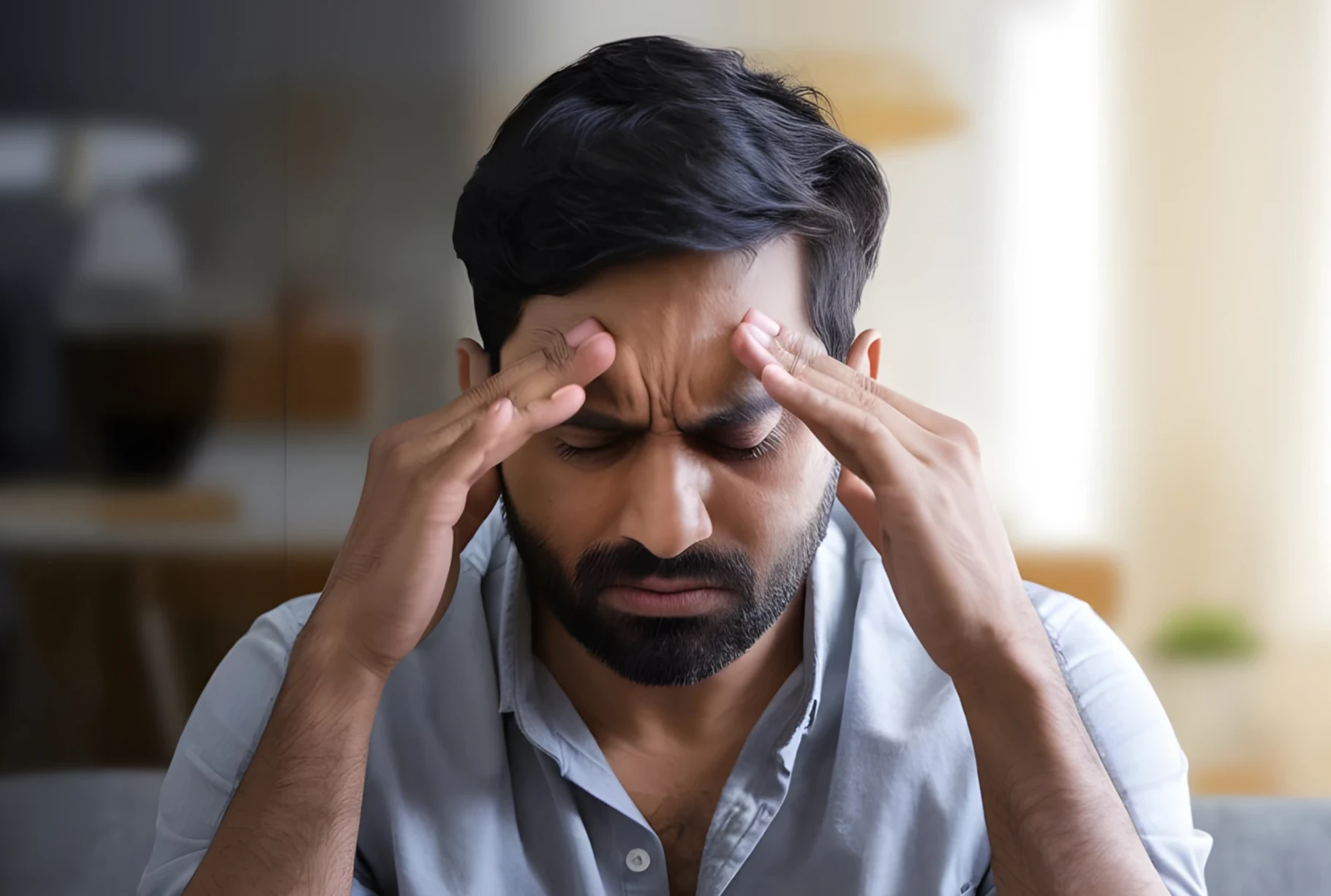
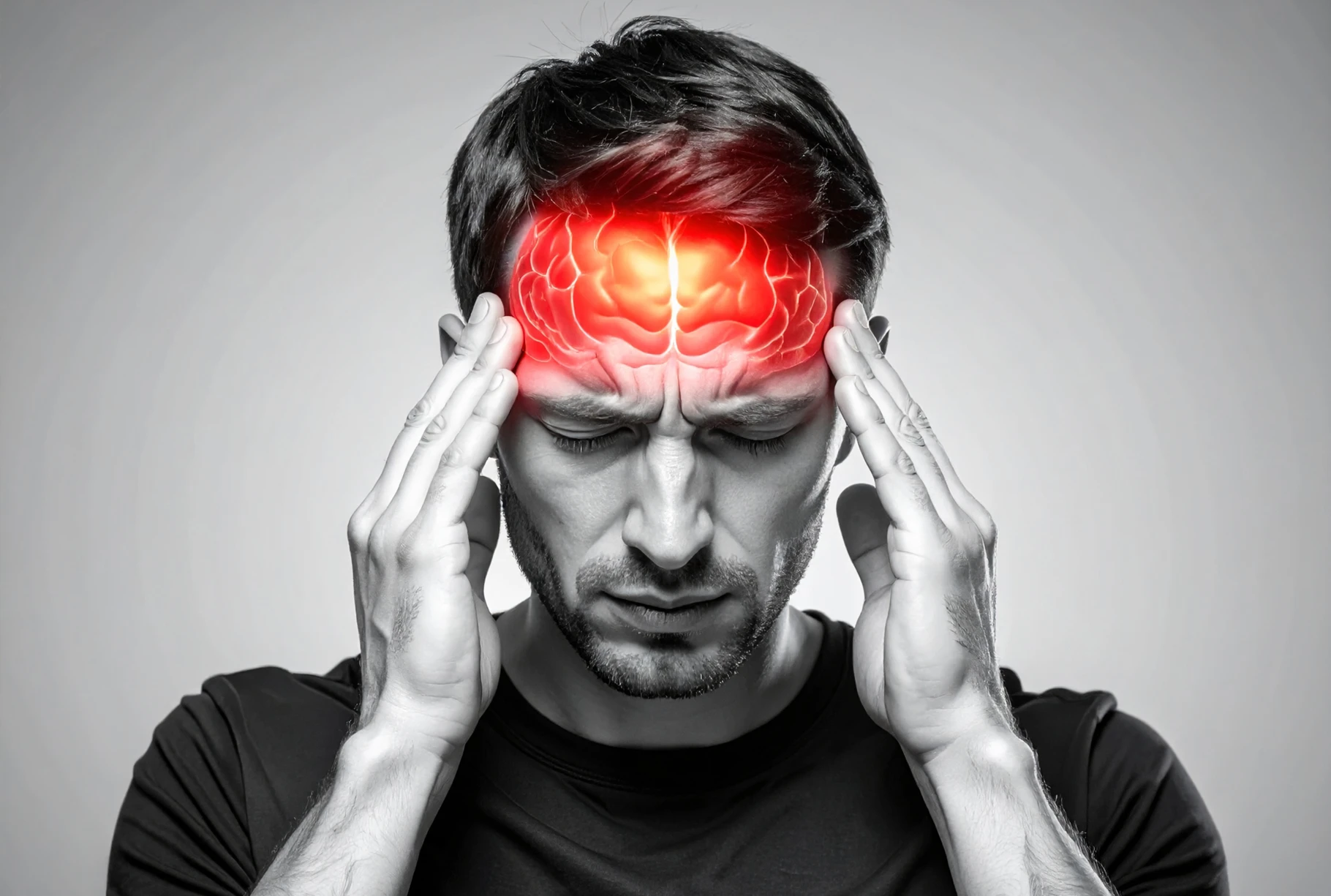
Migraine is not viewed in Ayurveda merely as a headache disorder. It is understood as a deeper imbalance involving:
Vata Dosha | Pitta Dosha | Nervous system disturbance | Mental stress | Circulation imbalance | Agni dysfunction
Ayurveda describes migraine under the condition known as Ardhavabhedaka.
The term Ardhavabhedaka refers to severe pain affecting one half of the head, although in many individuals the pain may involve the entire head over time.
Ayurveda explains that migraine develops due to aggravated Doshas affecting:
Shiras (head region) | Nervous system pathways | Circulation | Sensory functioning
The condition is closely influenced by:
Stress and mental strain | Irregular sleep | Disturbed digestion | Excessive screen exposure | Irregular meals | Hormonal imbalance | Excess heat in the body | Lifestyle disturbance
Migraine is therefore approached as a systemic imbalance rather than only a pain condition.
Ayurveda explains that migraine may present differently depending on the predominance of Dosha imbalance.

Vata dominant migraine is usually associated with:
Throbbing or pulsating pain | Variable intensity of headaches | Pain aggravated by stress or lack of sleep | Dryness and fatigue | Anxiety and nervous exhaustion | Sensitivity to movement or sound
Vata aggravation disturbs nerve functioning and circulation, creating instability within the nervous system.
This type is commonly associated with:
Pitta dominant migraine is associated with:
Burning sensation in the head | Intense headaches | Irritability | Light sensitivity | Heat intolerance | Acidity or digestive disturbance
Anger and frustration aggravating symptoms
Pitta aggravation increases heat within the system and affects Alochaka Pitta and circulation within the head region.
This type is often triggered by:
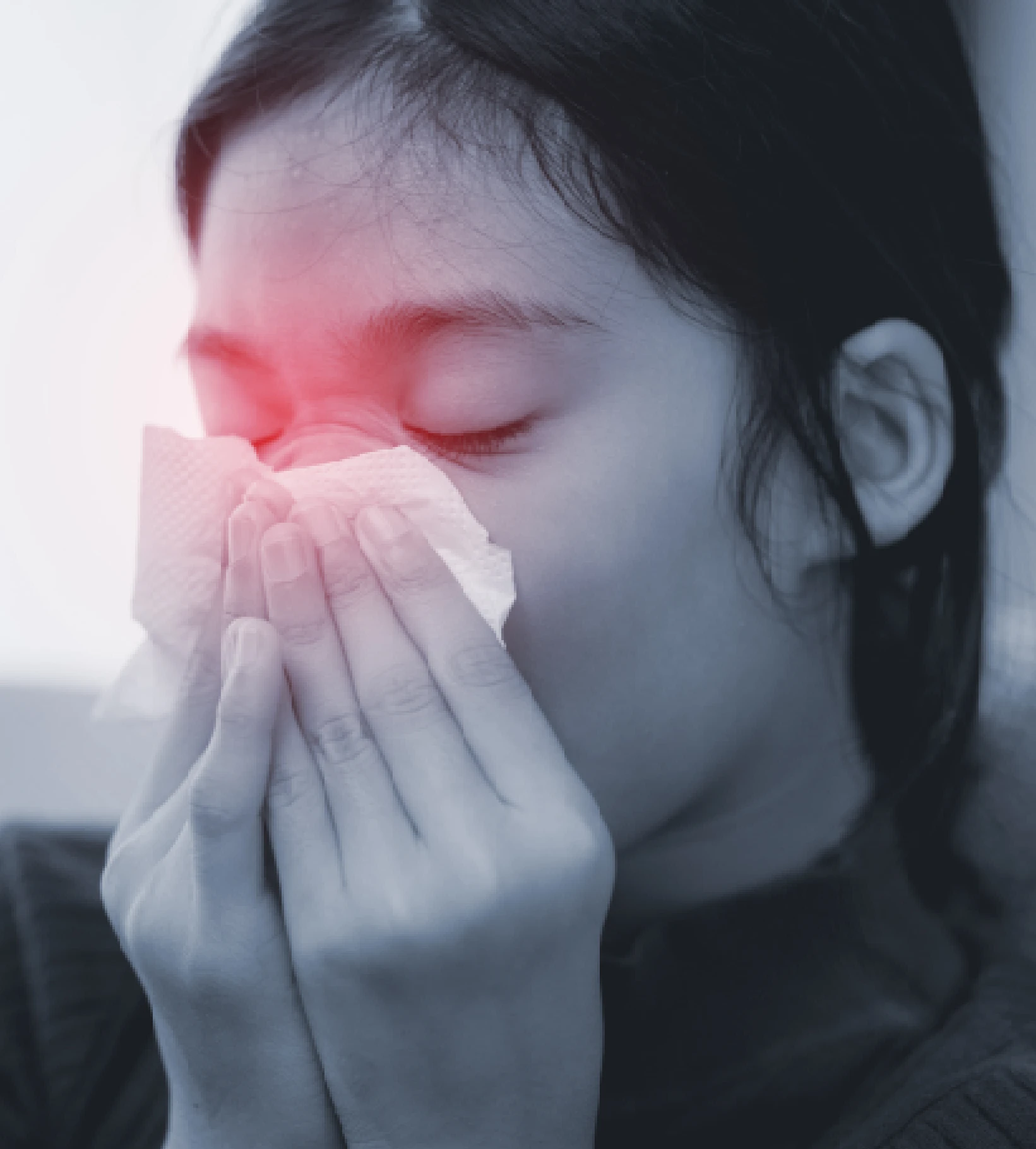
Kapha dominant migraine is associated with:
Heaviness in the head | Dull aching pain | Sinus congestion | Lethargy | Excess sleepiness | Sluggishness and mental dullness
Kapha imbalance creates stagnation and obstruction within channels affecting circulation and head region comfort.
This type is commonly associated with:
Ayurveda explains that migraine develops when aggravated Doshas disturb circulation and nervous system functioning in the head region.
The condition is closely connected with:
• Disturbed Agni (metabolism)
• Stress and emotional strain
• Sleep imbalance
• Nervous system exhaustion
• Hormonal disturbance
• Digestive imbalance
When digestion and metabolism become disturbed, the body loses its ability to maintain internal balance properly. Over time, Doshas aggravate and affect the head and sensory pathways, leading to recurring migraine episodes.
This is why Ayurveda focuses not only on reducing headache intensity, but on correcting the root imbalance responsible for recurrence.
At Ojas Ayurved, migraine treatment focuses on:
Dosha balancing | Nervous system calming | Stress reduction | Digestive correction | Lifestyle regulation | Long term prevention of recurrence
Treatment is personalised according to:
Panchakarma therapies play an important role in chronic migraine management, especially in recurrent and stress related conditions.
These therapies help:
Calm aggravated Vata and Pitta | Reduce stress and nervous system strain | Improve circulation | Support relaxation | Improve sleep quality | Reduce frequency and intensity of headaches
Therapies may include:
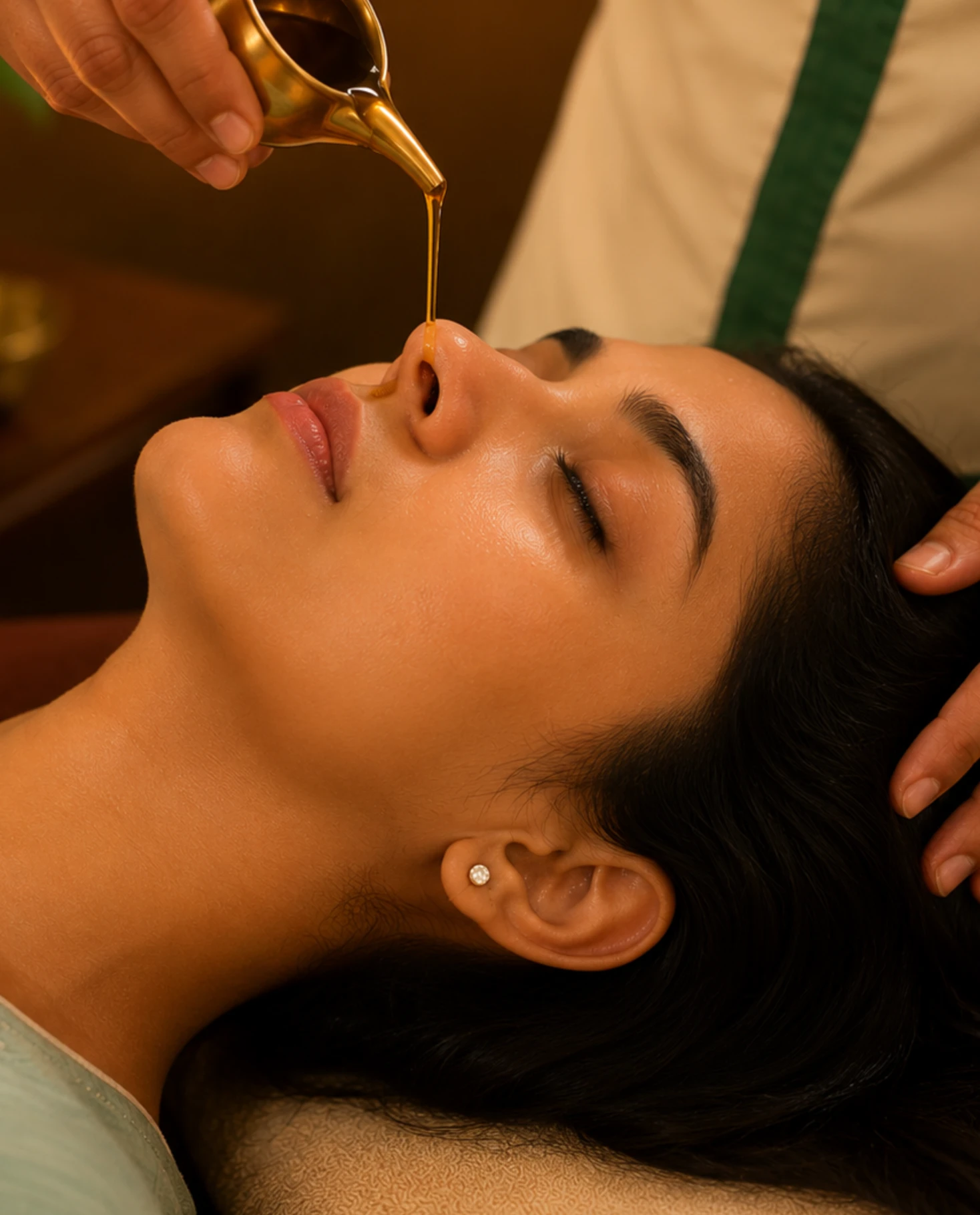
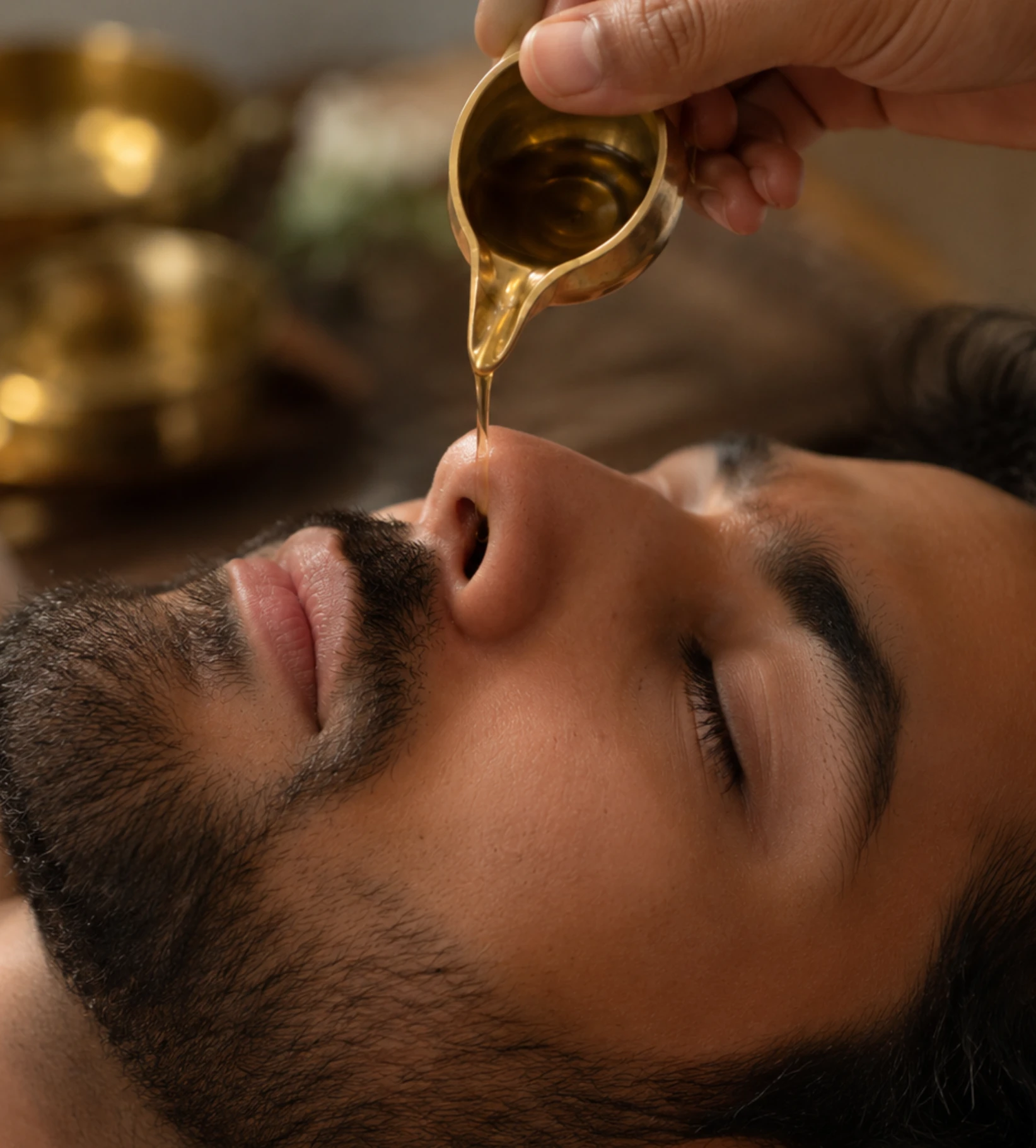
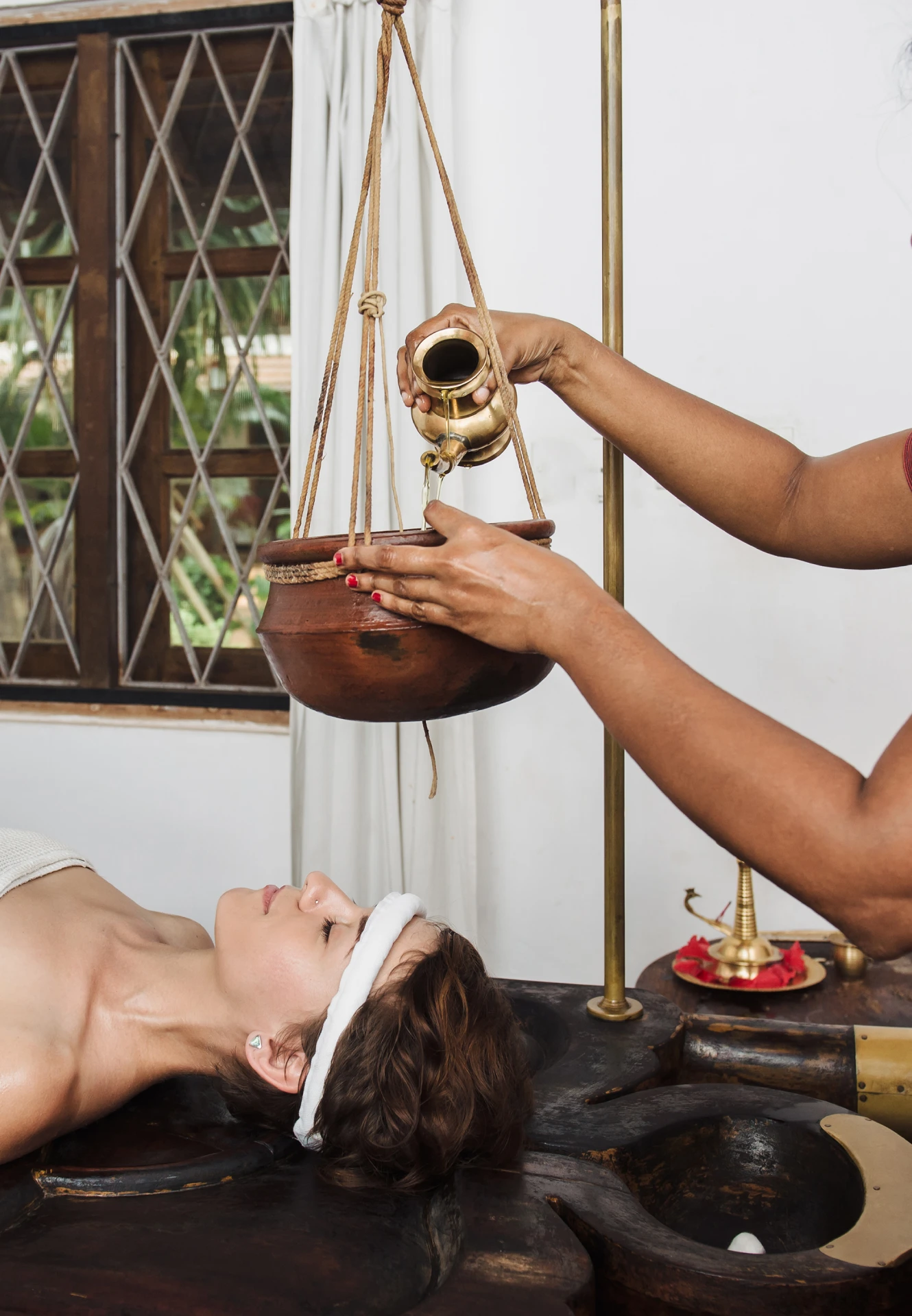
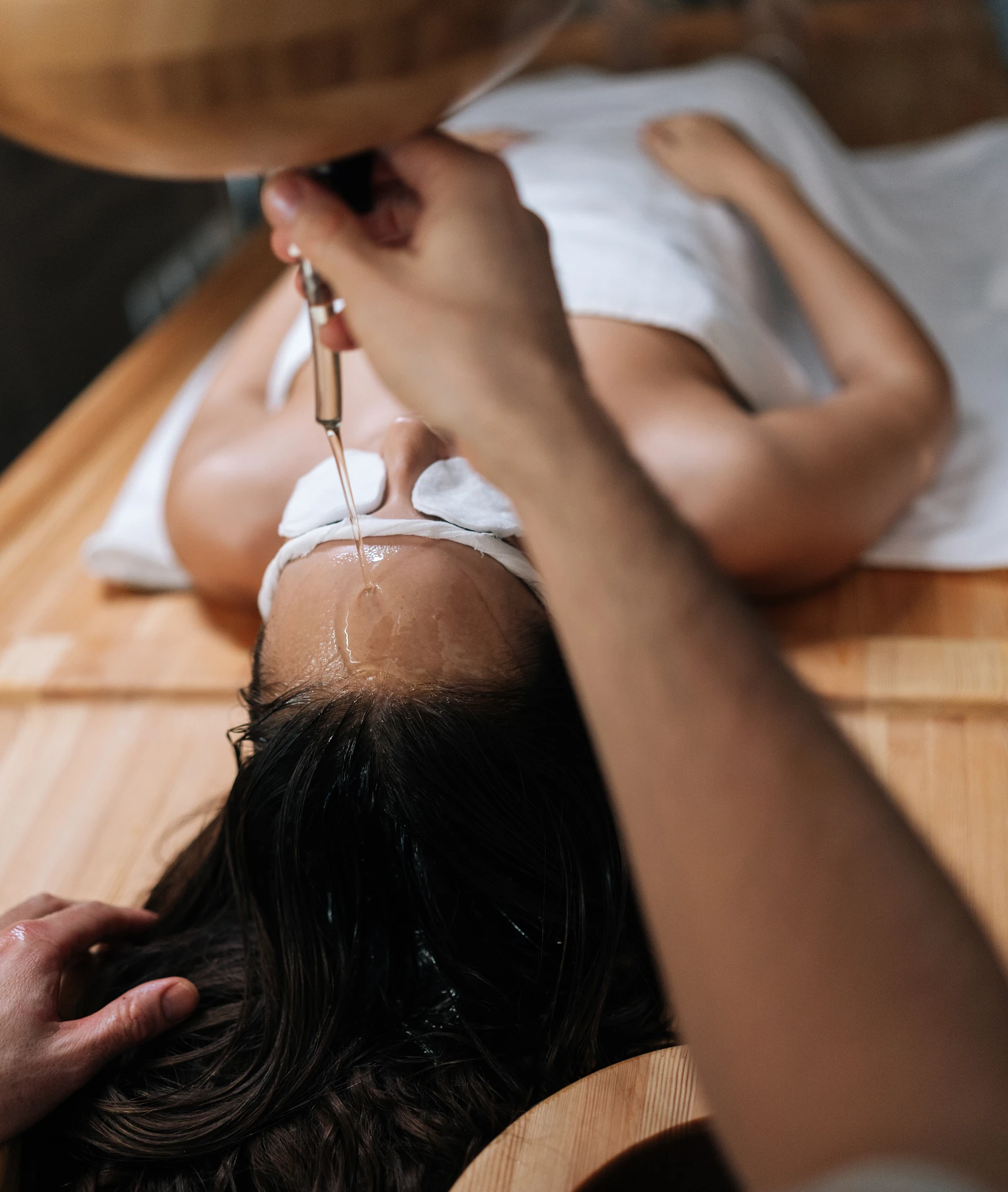
Shirodhara | Nasya | Abhyanga | Swedana | Basti therapies where required
Shirodhara is especially beneficial in stress related migraines and nervous system imbalance. The continuous flow of medicated liquids over the forehead helps calm the mind, reduce mental strain, and promote deep relaxation.
Ayurveda strongly emphasises lifestyle correction because modern habits significantly contribute to migraine recurrence.
Important preventive measures include:
• Maintaining proper sleep
• Timely meals
• Reducing excessive screen exposure
• Managing stress
• Avoiding excessive fasting
• Supporting digestion
• Following a stable daily routine
Regular relaxation, proper hydration, balanced diet, and nervous system care become extremely important in long term migraine management.
At Ojas Ayurved, migraine care is approached through a holistic and root cause based Ayurvedic perspective focused on calming the nervous system, balancing Doshas, reducing recurrence, and improving overall quality of life naturally.

info@ojasayurved.com
+91 989014 3920 +91 20 82370 38169
Samruddhi society first floor flat no 1. United western colony. Near Tathawade udyan. Opposite Keyur 60 and chintamani society. Karve Nagar Pune 411052