
More Than Detox. A Journey Towards Complete Healing.
Panchakarma is one of Ayurveda’s most powerful therapeutic approaches, designed to cleanse the body, restore Dosha balance, strengthen digestion, and support long term health. While often known as a detox therapy, Panchakarma is much more than cleansing. It is a personalised healing process that addresses the root cause of disease and helps restore the body’s natural ability to heal.
At Ojas Ayurved, every Panchakarma programme is carefully planned after evaluating your Prakriti (body constitution), Vikriti (current imbalance), Agni (digestive strength), lifestyle, age, medical history, and health goals. This personalised approach ensures safe, effective, and long lasting results.
Panchakarma can benefit individuals experiencing chronic illnesses, digestive disorders, hormonal imbalance, joint pain, lifestyle disorders, stress related concerns, or those looking to improve their overall health and wellbeing naturally.
The word Panchakarma means “five therapeutic procedures.” These classical Ayurvedic purification therapies help eliminate aggravated Doshas, strengthen digestion, improve metabolism, and restore the body’s natural balance.
However, Panchakarma is not simply a detox programme. It is a systematic healing process carried out in three important stages:
Each stage is carefully customised according to the individual’s health condition to maximise therapeutic benefits.
Purva Karma prepares the body for purification by loosening aggravated Doshas and bringing them into the digestive tract for elimination.
Depending on the individual’s condition, this stage may include:
Proper preparation improves the effectiveness of Panchakarma while making the treatment more comfortable and safe.
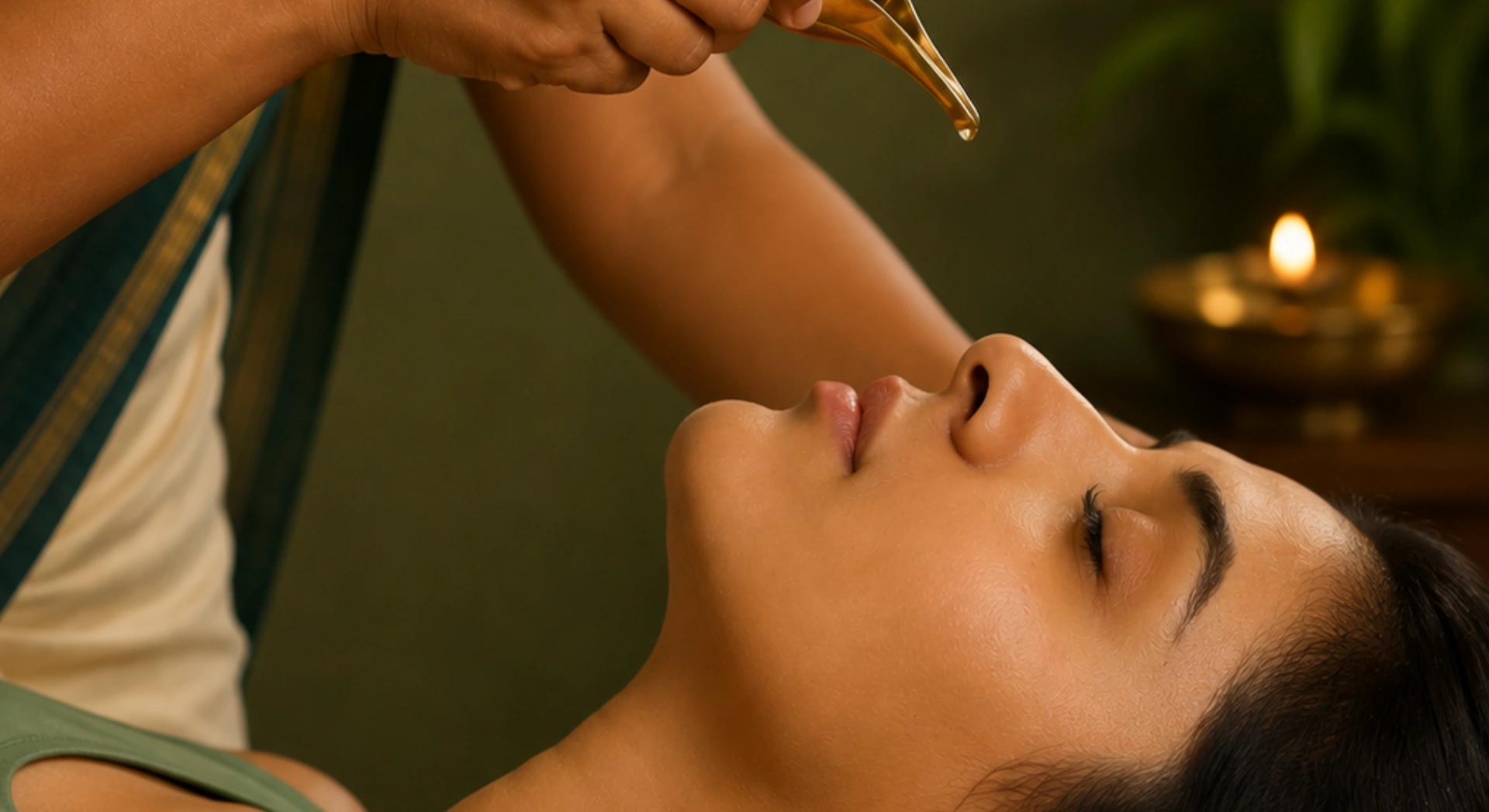
Pradhana Karma is the principal stage of Panchakarma during which the appropriate purification therapy is selected based on the patient’s Dosha imbalance and health condition.
The five classical Panchakarma procedures are:
Every patient does not require all five procedures. After a detailed Ayurvedic consultation, only the therapies appropriate for the individual’s condition are recommended.

The healing process continues even after purification is complete.
During Paschat Karma, digestion is gradually restored through Samsarjana Krama, a structured dietary regimen, along with personalised medicines, Rasayana Chikitsa, lifestyle guidance, and follow up care.
This phase helps rebuild body tissues, strengthen immunity, improve vitality, and maintain the long term benefits of Panchakarma.
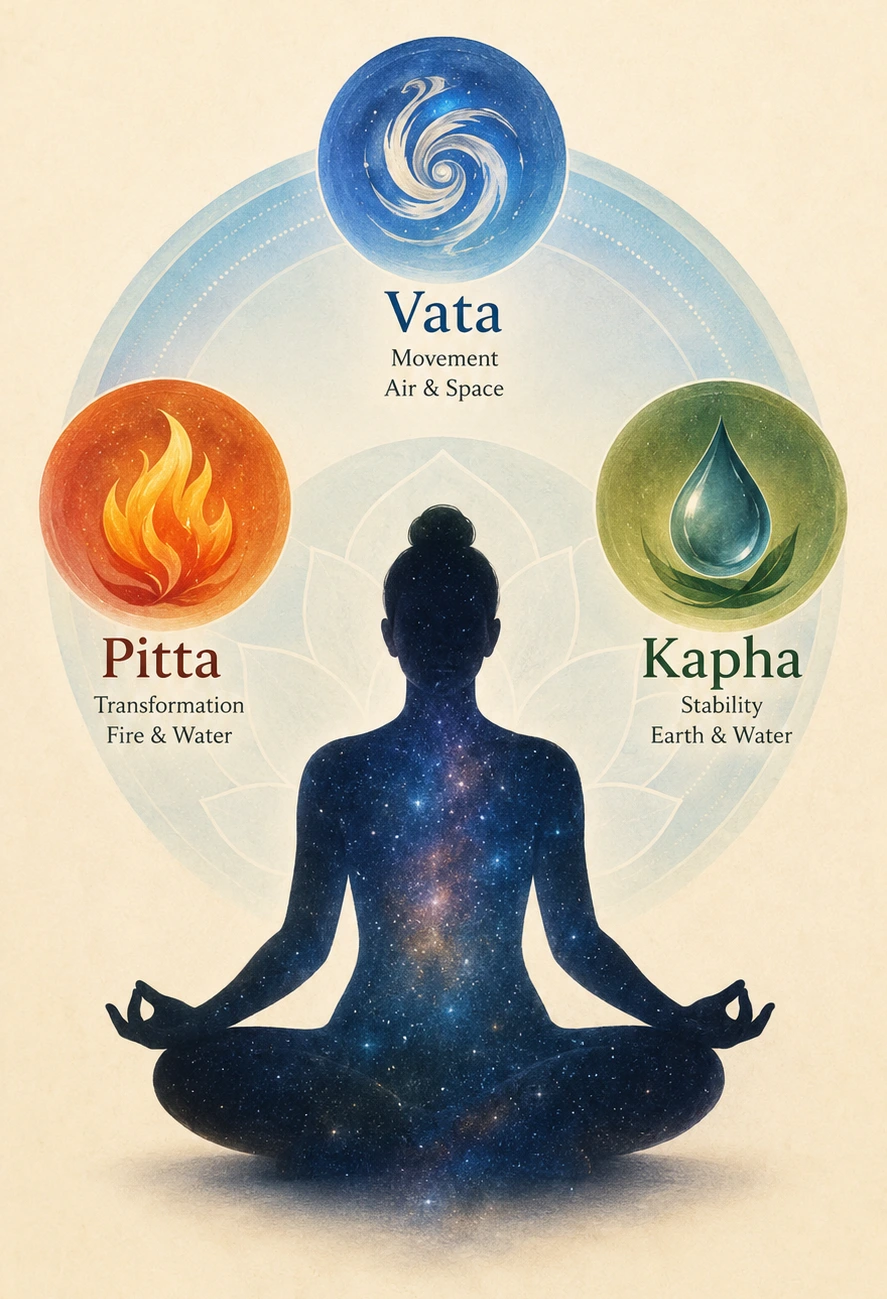
According to Ayurveda, good health depends on the balance of Vata, Pitta, and Kapha. Stress, unhealthy food, poor sleep, sedentary habits, pollution, and seasonal changes can disturb this balance, increasing the risk of disease.
Panchakarma helps restore Dosha balance by addressing the underlying cause rather than only managing symptoms.
Healthy digestion is the foundation of good health.
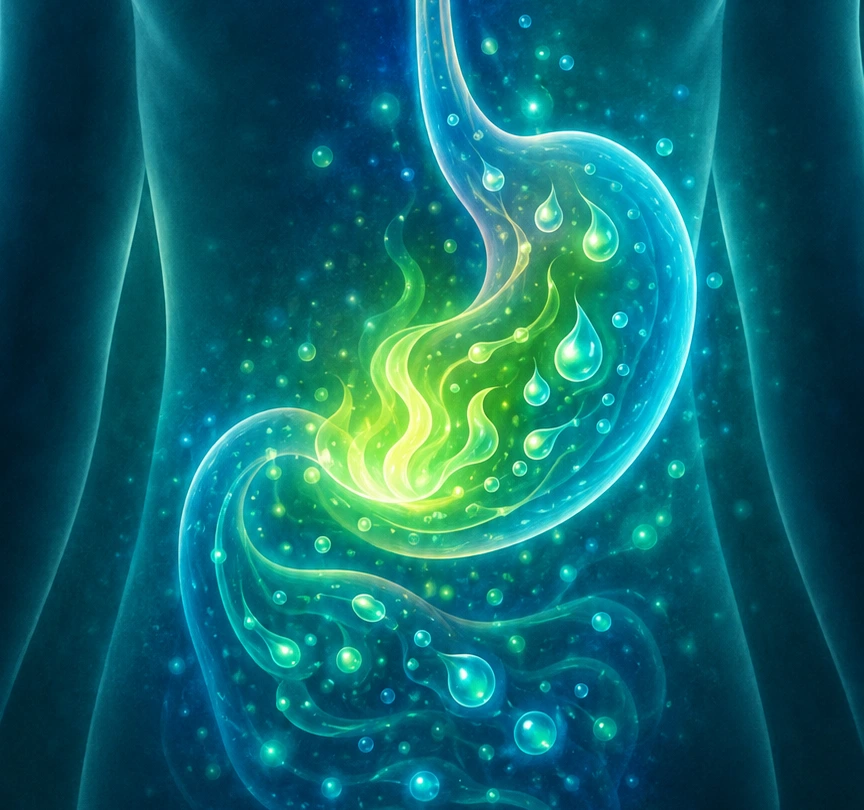
Agni, the body’s digestive and metabolic intelligence, is responsible for digestion, nutrient absorption, tissue nourishment, and metabolism. When Agni weakens, overall health gradually declines.
Panchakarma helps strengthen Agni, improve digestion, and restore metabolic balance.
Every individual is unique, and so is every Panchakarma treatment plan.
At Ojas Ayurved, each programme is customised after evaluating:
This personalised approach ensures safe, effective, and meaningful healing while staying true to the classical principles of Ayurveda.

Panchakarma supports long term health by restoring internal balance and improving the body’s natural functioning.
Some of the key benefits include:
Balances Vata, Pitta, and Kapha | Strengthens Agni and improves digestion | Enhances metabolism | Supports healthy weight management | Strengthens immunity | Improves circulation | Supports hormonal health | Nourishes body tissues | Improves flexibility and joint mobility |Promotes better sleep | Reduces stress and fatigue | Enhances energy and vitality | Supports healthy ageing
By addressing the root cause of imbalance, Panchakarma plays an important role in the Ayurvedic management of chronic diseases, lifestyle disorders, digestive problems, musculoskeletal conditions, hormonal imbalance, and stress related health concerns.
Panchakarma comprises five classical purification procedures, each designed to eliminate aggravated Doshas from specific parts of the body and restore the body’s natural balance. Contrary to popular belief, every individual does not undergo all five therapies. The choice of treatment depends on the patient’s Prakriti (body constitution), Vikriti (current Dosha imbalance), Agni (digestive strength), disease condition, age, physical strength, and overall health.
At Ojas Ayurved, every Panchakarma therapy is recommended only after a detailed Ayurvedic consultation to ensure that the treatment is safe, personalised, and aligned with classical Ayurvedic principles.
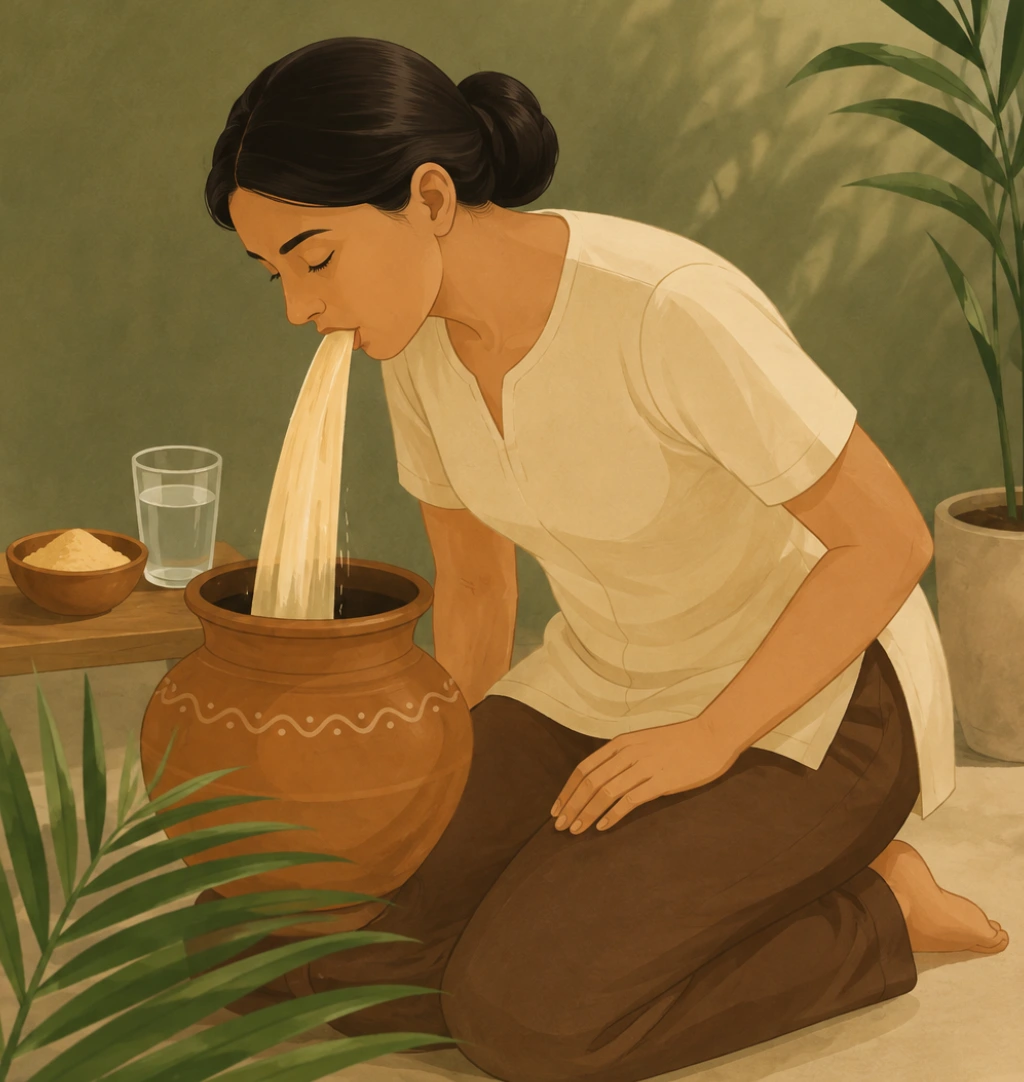
Vamana is a specialised Panchakarma therapy primarily indicated for aggravated Kapha Dosha. It involves the controlled therapeutic elimination of excess Kapha from the upper gastrointestinal and respiratory systems through medically induced emesis after proper preparation.
Before the procedure, the body is prepared using Snehapana (internal oleation) and Swedana (sudation therapy) to mobilise aggravated Doshas. On the day of treatment, carefully selected herbal formulations are administered under the supervision of an experienced Ayurvedic physician to facilitate controlled elimination.
Vamana may be recommended in carefully selected individuals experiencing:
By eliminating excess Kapha, Vamana helps improve respiratory health, strengthen digestion, support healthy metabolism, and restore Dosha balance.
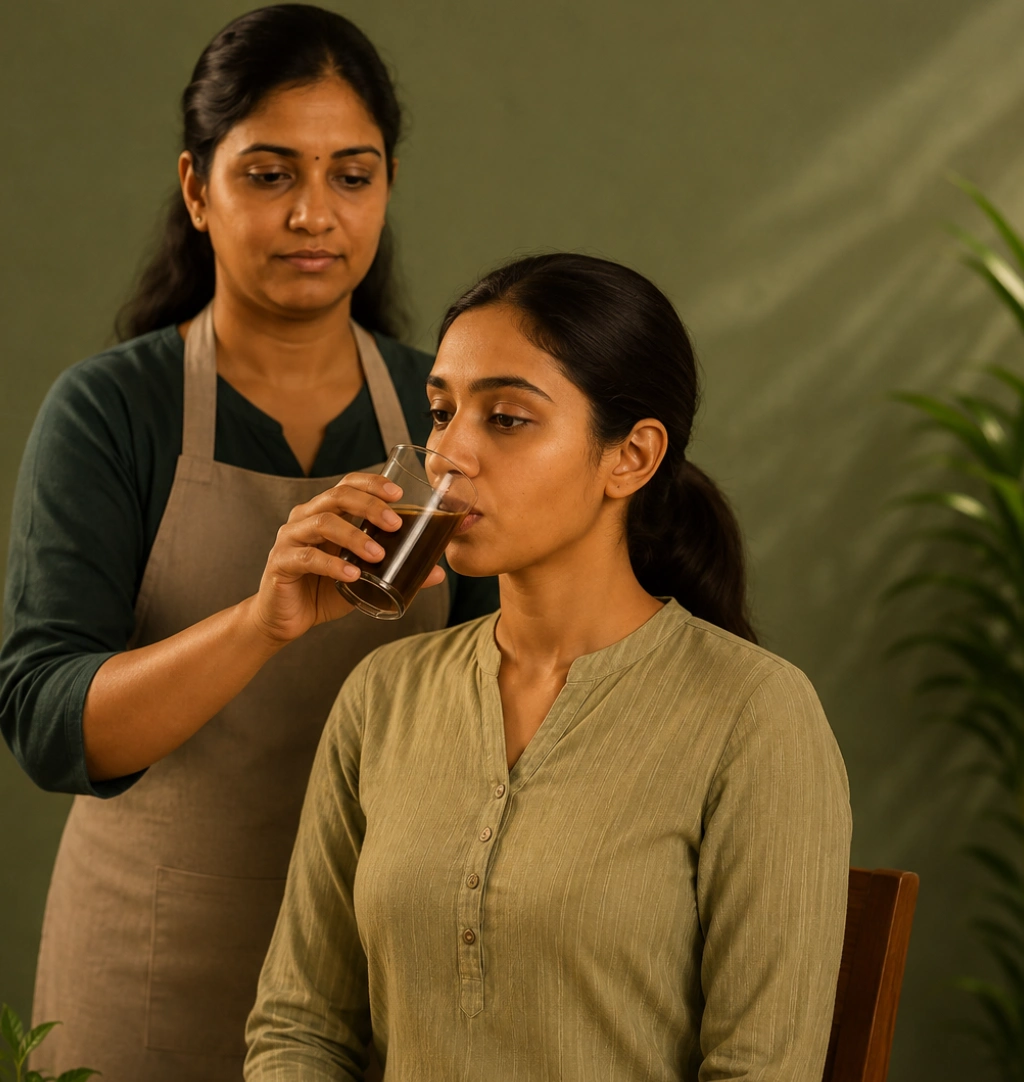
Virechana is a controlled purification therapy designed to eliminate aggravated Pitta Dosha from the liver, gallbladder, small intestine, and gastrointestinal tract.
Following adequate preparation through Snehapana and Swedana, specially selected Ayurvedic medicines are administered to induce gentle therapeutic purgation. The therapy helps remove aggravated Pitta while restoring digestive balance and improving metabolic function.
Virechana may be recommended for conditions such as:
By balancing Pitta and improving Agni, Virechana supports healthier digestion, clearer skin, improved metabolism, and overall wellbeing.
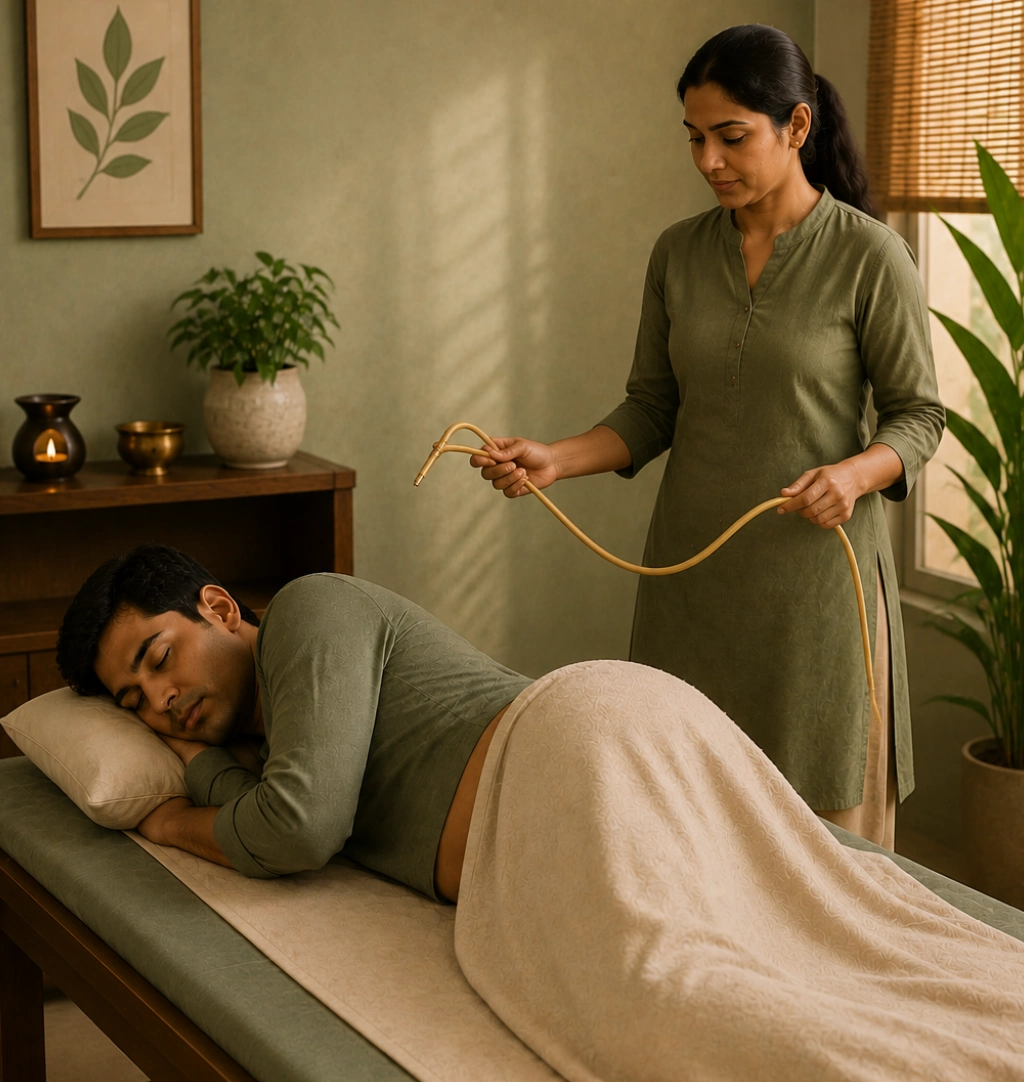
Basti is regarded as one of the most important therapies in Panchakarma because of its profound ability to balance Vata Dosha, which governs movement, the nervous system, joints, and numerous physiological functions throughout the body.
The therapy involves the administration of carefully prepared medicated herbal decoctions, oils, or ghee through the rectal route under expert supervision. Depending on the individual’s condition, different types of Basti are selected, including Anuvasana Basti (oil based) and Niruha or Asthapana Basti (herbal decoction based).
Ayurveda considers Basti to be both a cleansing and nourishing therapy because it not only eliminates aggravated Vata but also supports tissue nourishment and restores systemic balance.
Basti may be recommended in the Ayurvedic management of:
Because of its wide therapeutic applications, Basti is often regarded as the cornerstone of Panchakarma therapy.
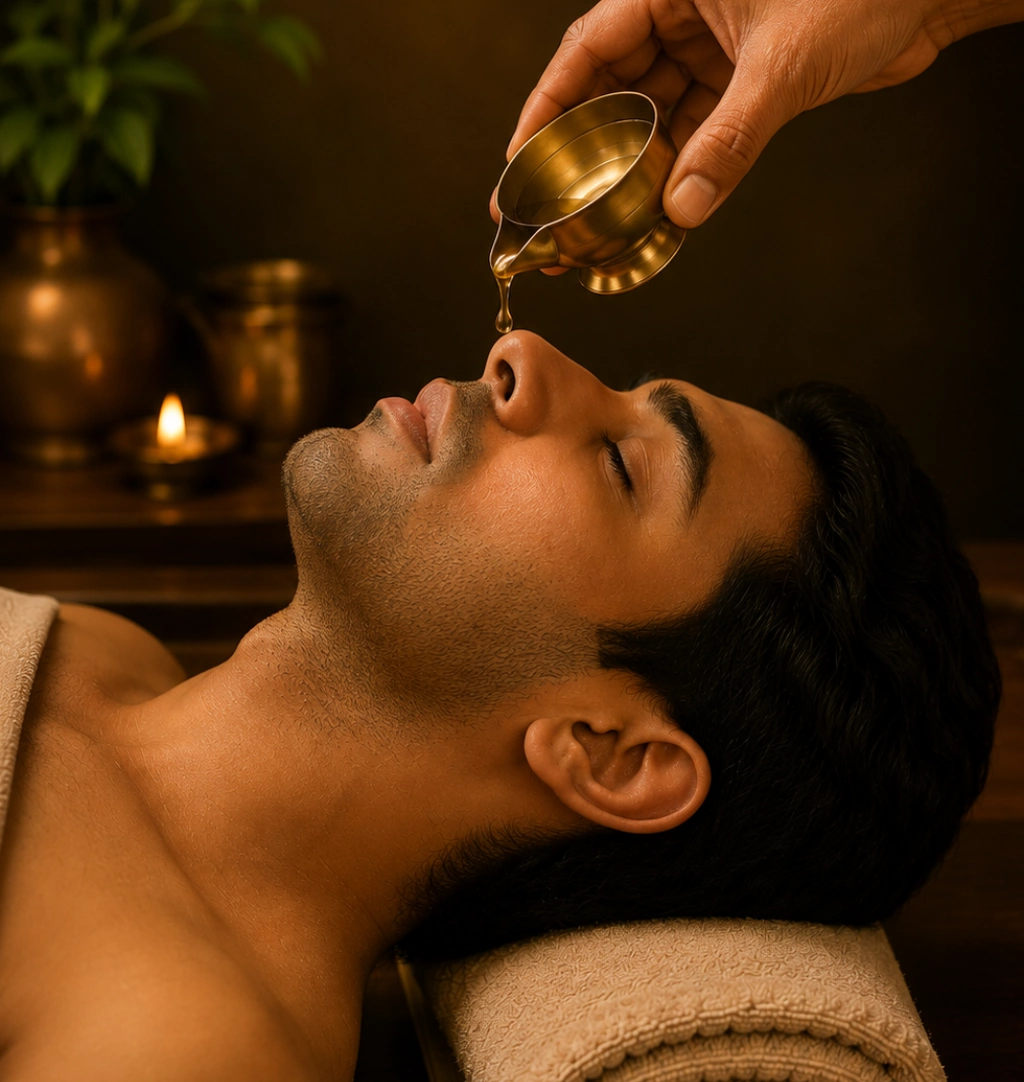
Nasya is a specialised Panchakarma therapy involving the administration of medicated oils, herbal juices, powders, or ghee through the nasal passages.
Ayurveda describes the nose as the gateway to the head, making Nasya particularly beneficial for disorders affecting the head, neck, nose, throat, and nervous system.
Before administering the medicine, gentle facial massage and steam therapy are usually performed to prepare the area. Medicated drops are then instilled into each nostril while the patient is comfortably positioned, allowing the medicine to reach the nasal passages and surrounding structures.
Nasya may be beneficial for:
Nasya helps cleanse the channels of the head, improve respiratory health, promote mental clarity, and contribute to overall wellbeing.
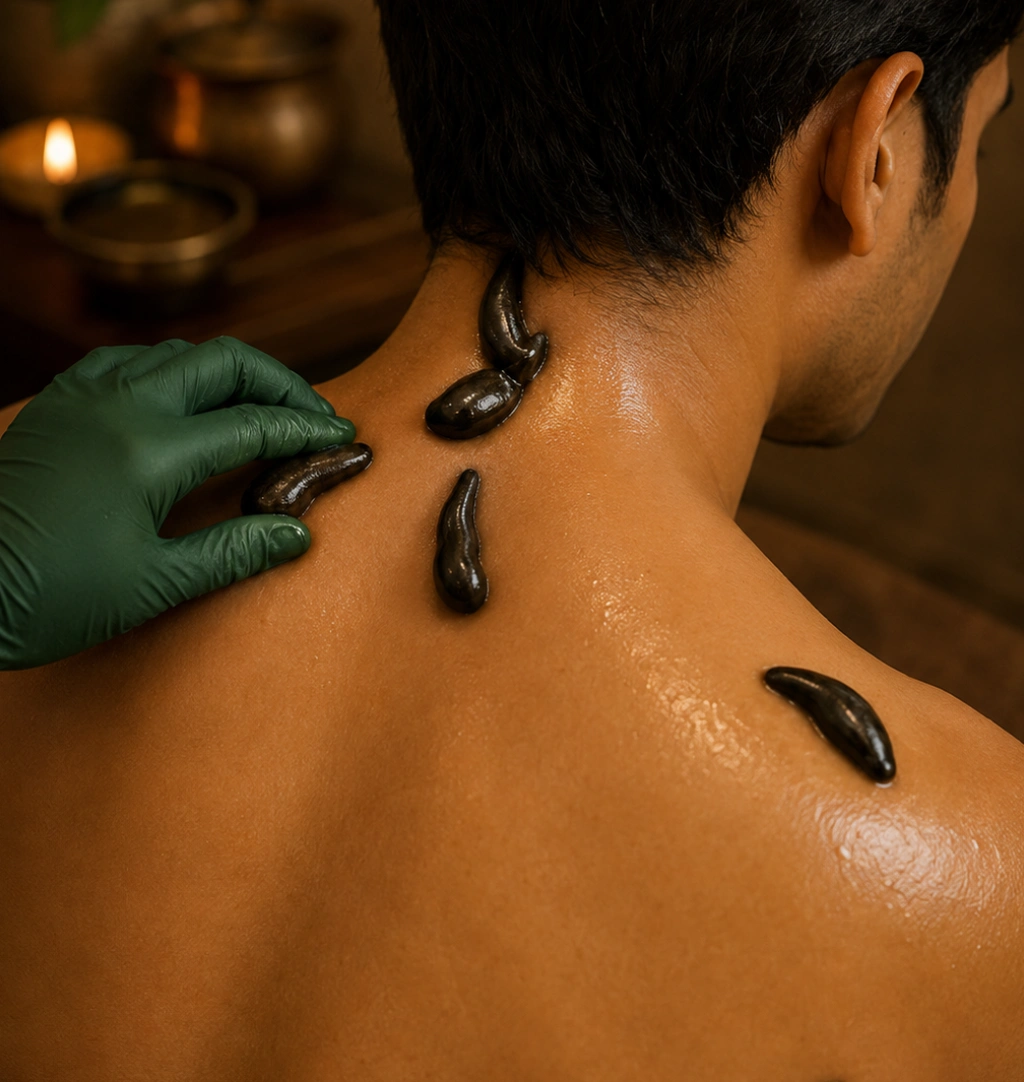
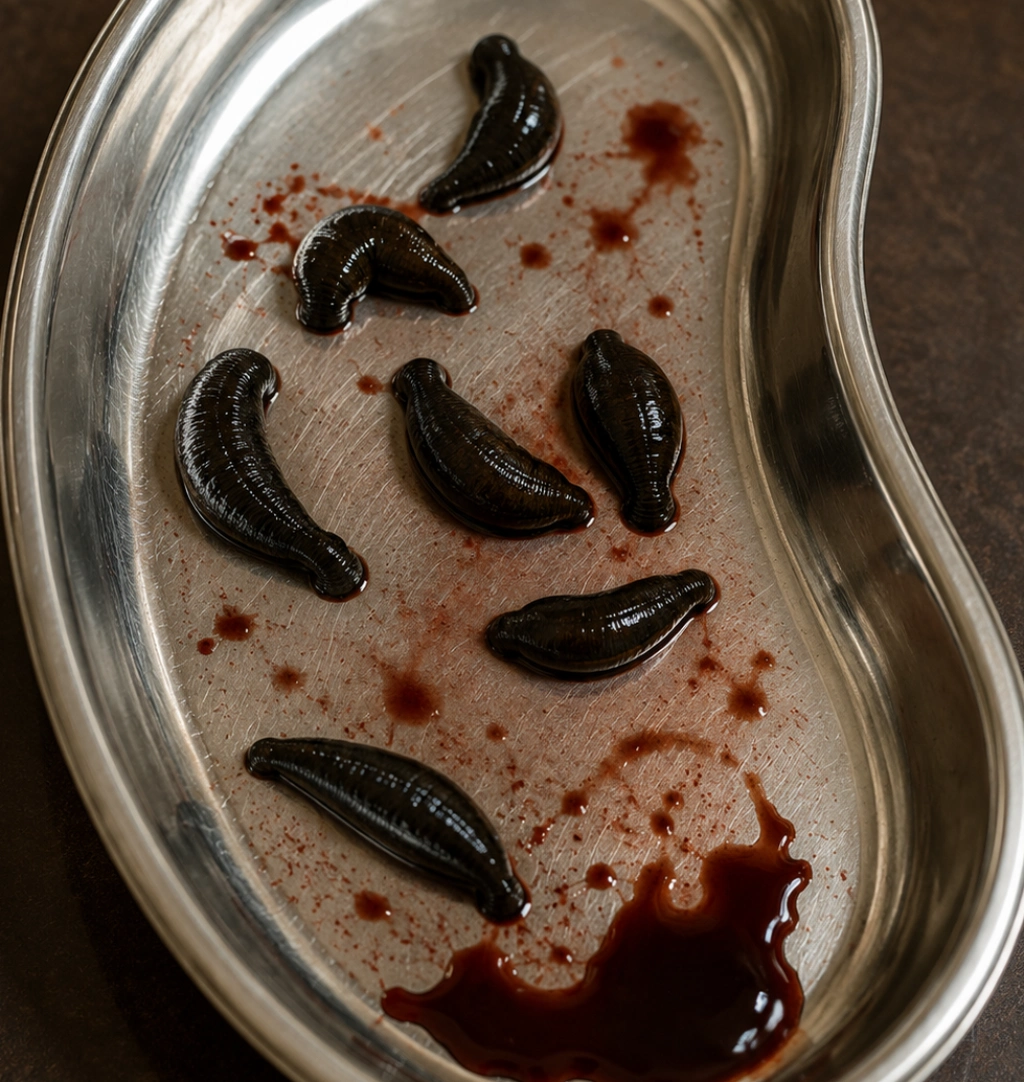
Raktamokshana is the fifth classical Panchakarma procedure and is a specialised Ayurvedic therapy aimed at eliminating vitiated Rakta (blood) when it is believed to be contributing to disease. Ayurveda considers Rakta Dhatu (blood tissue) essential for maintaining healthy skin, proper circulation, tissue nourishment, and overall vitality. When Rakta becomes vitiated due to aggravated Pitta or other pathological factors, it may contribute to various inflammatory and chronic health conditions.
The term Raktamokshana literally means “the release or purification of vitiated blood.” It is one of the Shodhana (purificatory) therapies described in the classical Ayurvedic texts and is recommended only in carefully selected patients after a thorough clinical evaluation.
Depending on the individual’s condition, the therapy may be performed using classical Ayurvedic techniques such as Siravyadha (controlled venesection) or Jalauka Avacharana (medicinal leech therapy).
In Jalauka Avacharana, specially selected medicinal leeches are applied to the affected area, where they gently draw out vitiated blood. This method is traditionally preferred for localised inflammatory conditions and in patients where a gentle therapeutic approach is considered more appropriate, as it is minimally invasive and well tolerated.
Siravyadha involves the controlled removal of a small quantity of blood from a vein under strict medical supervision when clinically indicated.
Raktamokshana may be recommended in selected cases involving:
Since Raktamokshana is a highly specialised Panchakarma procedure, it is not recommended for every patient or every disease. The decision to perform this therapy depends on factors such as the individual’s constitution, Dosha imbalance, age, strength, medical history, and the nature of the condition being treated.
At Ojas Ayurved, Raktamokshana is advised only after a detailed Ayurvedic consultation and when it is clinically appropriate. Every procedure is performed under the supervision of an experienced Ayurvedic physician, following classical Ayurvedic principles and appropriate safety protocols to ensure personalised, safe, and effective care.
While the five classical Panchakarma procedures form the foundation of Ayurvedic purification, many supportive therapies play an equally important role in promoting healing, relieving symptoms, and restoring balance. These therapies are selected according to the individual’s Dosha imbalance, disease condition, and treatment goals, and are often performed as part of a comprehensive Panchakarma programme.
At Ojas Ayurved, every therapy is prescribed only after a detailed Ayurvedic consultation and is performed according to classical Ayurvedic principles.
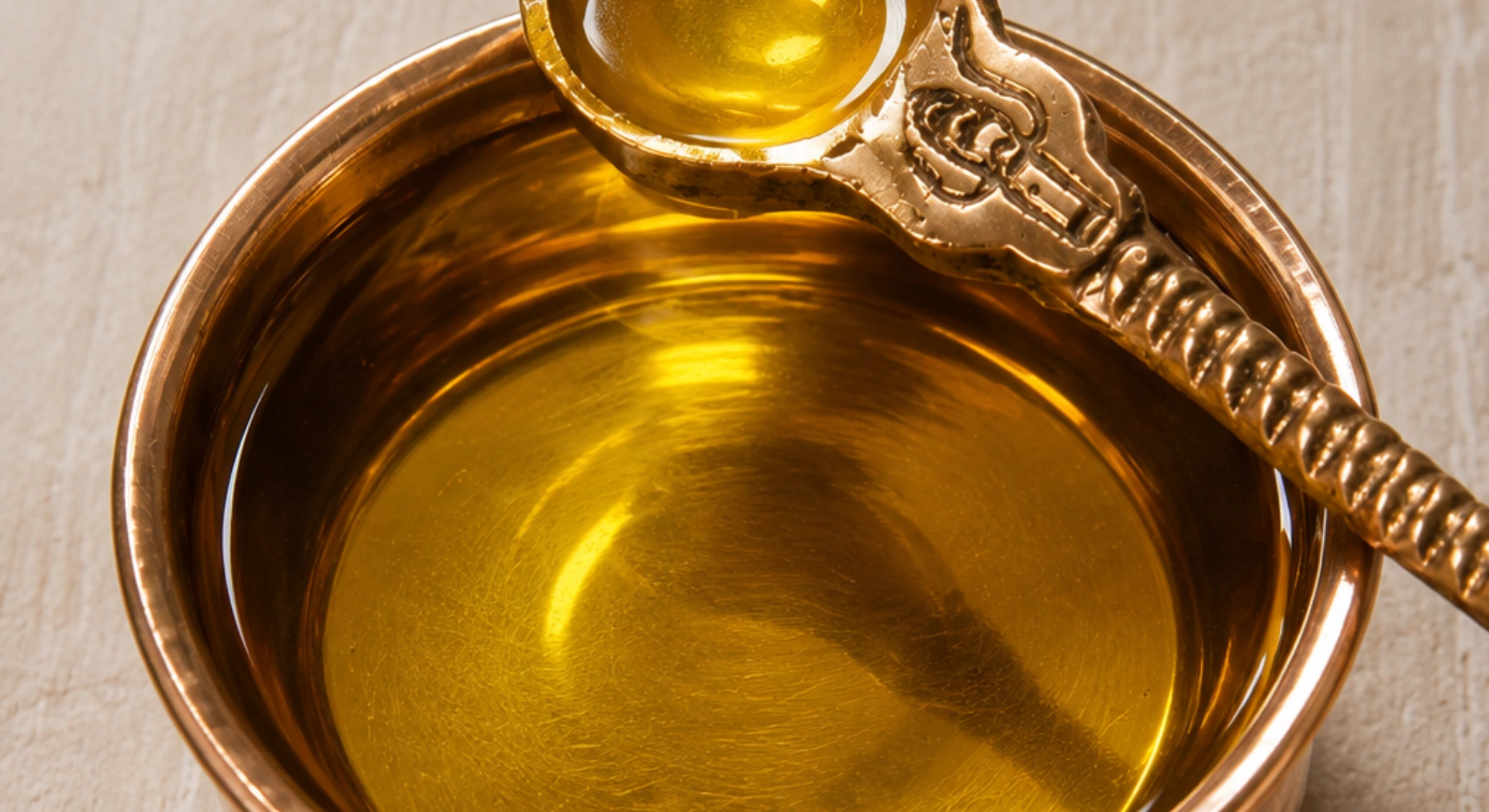
Abhyanga is one of the most widely practised Ayurvedic therapies and an important part of both Dinacharya (daily routine) and Panchakarma. It involves a synchronized massage using warm medicated herbal oils selected according to the individual’s Dosha imbalance.
The therapy nourishes the skin, muscles, joints, and deeper tissues while improving circulation and preparing the body for Panchakarma. It is especially beneficial for balancing aggravated Vata Dosha, which is commonly associated with pain, stiffness, dryness, anxiety, and disturbed sleep.
Regular Abhyanga may help:
Improve circulation | Relieve muscular stiffness | Reduce joint discomfort | Improve flexibility | Calm the nervous system | Promote better sleep | Reduce stress and fatigue | Nourish the skin and tissues
Abhyanga may be recommended for arthritis, cervical and lumbar spondylosis, neurological disorders, stress, fatigue, and as a preparatory therapy before Panchakarma.
Swedana refers to therapeutic sweating that is performed after Abhyanga or as an independent treatment where indicated. The therapy uses controlled heat to induce sweating, helping open the body’s channels and mobilise aggravated Doshas.
Swedana improves circulation, relieves muscle tightness, reduces stiffness, and supports detoxification by preparing the body for Panchakarma.
Benefits of Swedana include:
Swedana is commonly recommended in arthritis, back pain, frozen shoulder, cervical pain, sports injuries, and musculoskeletal disorders.
Shirodhara is one of Ayurveda’s most recognised therapies for calming the mind and nervous system.
During the therapy, a continuous stream of warm medicated oil is gently poured over the forehead in a rhythmic manner for a specific duration. The therapy is deeply relaxing and helps balance aggravated Vata and Pitta Doshas affecting the nervous system.
Shirodhara may help:
It is frequently recommended for stress related disorders, insomnia, anxiety, migraine, burnout, and certain neurological conditions.
Takradhara is a specialised variation of Shirodhara in which medicated buttermilk is poured continuously over the forehead instead of oil.
Ayurveda traditionally recommends Takradhara for conditions involving aggravated Pitta, excessive body heat, burning sensations, scalp disorders, and stress associated with heat imbalance.
Takradhara may be beneficial for:
The cooling nature of medicated buttermilk helps calm both the body and mind while balancing Pitta Dosha.
Shiro Lepanam involves the application of specially prepared herbal pastes over the scalp for a prescribed duration.
The therapy helps cool the head, reduce inflammation, nourish the scalp, and support healthy hair growth.
It may be recommended for:
The choice of herbal paste varies according to the individual’s Dosha imbalance and scalp condition.
Udvartana is a dry herbal powder massage performed using specially selected medicinal powders.
Unlike Abhyanga, which uses oils, Udvartana uses dry herbal formulations applied with firm upward strokes to stimulate circulation and reduce Kapha accumulation.
The therapy may help:
Udvartana is commonly recommended in obesity, sluggish metabolism, cellulite, and Kapha predominant disorders.
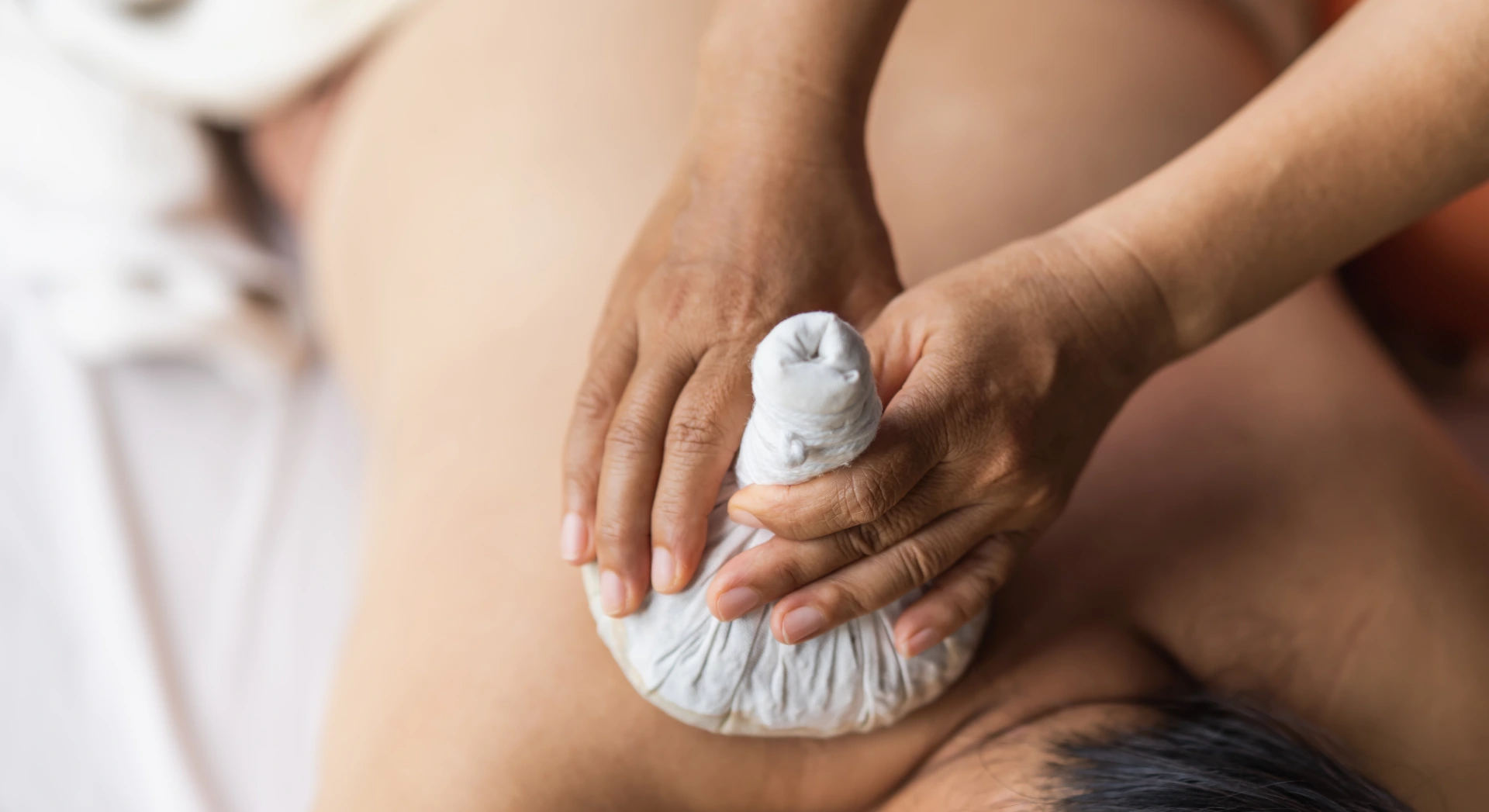
Patra Potali Sweda is a specialised sudation therapy where fresh medicinal leaves are cooked with herbal oils, tied into cloth boluses, and applied over the affected areas.
The warmth of the boluses combined with herbal oils helps relieve pain, stiffness, inflammation, and muscle tightness.
It may be beneficial for:
Pinda Sweda is a nourishing therapy in which cooked medicinal rice boluses are dipped in herbal decoctions and milk before being applied over the body.
Unlike therapies primarily focused on cleansing, Pinda Sweda is considered nourishing and rejuvenating.
It helps strengthen muscles, improve circulation, nourish tissues, and enhance mobility.
The therapy may be recommended for:
Neurological disorders | Muscle wasting | Paralysis | Arthritis | Degenerative disorders | Post illness rehabilitation
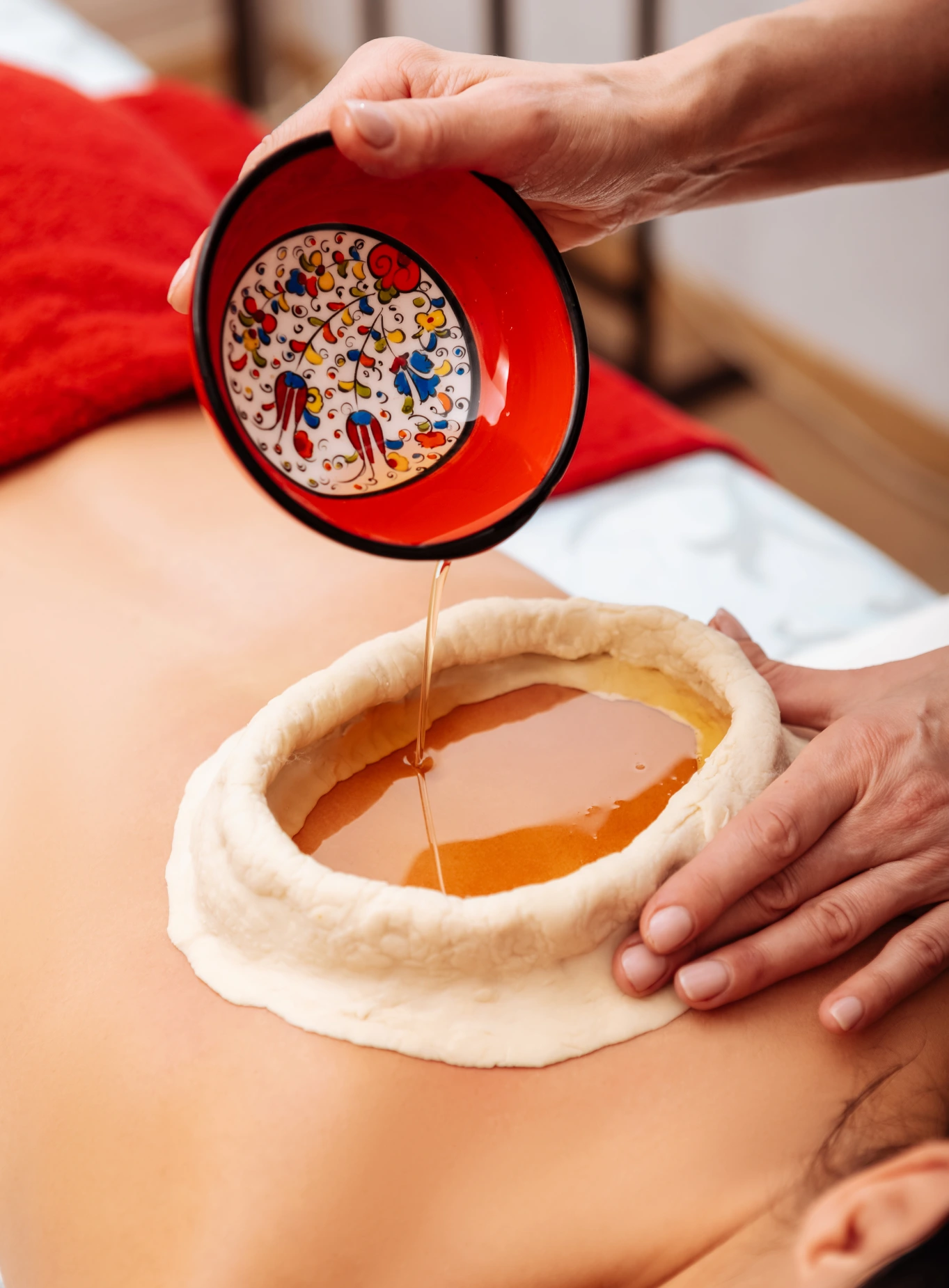
Kati Basti is a localised therapy for the lower back.
A ring made from herbal dough is placed over the affected area and filled with warm medicated oil, allowing the oil to remain in contact with the tissues for a prescribed duration.
The therapy helps reduce pain, stiffness, and inflammation while nourishing muscles, joints, and supporting structures.
Kati Basti is commonly recommended for:
Janu Basti follows a similar technique but is performed over the knee joint.
Warm medicated oil is retained over the knee using a specially prepared herbal dough ring.
The therapy helps nourish the joint, improve lubrication, reduce stiffness, and support mobility.
It may be recommended for:
Greeva Basti is a localised therapy performed over the cervical region.
Warm medicated oil is retained around the neck using a herbal dough ring, allowing deep penetration into the affected tissues.
It may help:
Kashheruka Basti is a specialised therapy focusing on the spinal region. Warm medicated oils are retained over specific areas of the spine to nourish deeper tissues, improve circulation, and support spinal health.
It may be beneficial for chronic spinal disorders, degenerative conditions, stiffness, and chronic back pain.
Hrid Basti is a therapy performed over the cardiac region where warm medicated oil is retained within a specially prepared herbal dough ring.
Traditionally, Ayurveda recommends this therapy for supporting the chest region, calming aggravated Vata and Pitta, reducing muscular tightness around the chest, and promoting relaxation.
It may also be used as supportive therapy in selected cardiovascular and stress related conditions under expert supervision.
Netra Tarpana is a specialised eye nourishment therapy in which medicated ghee is retained around the eyes for a prescribed duration using a dough boundary.
The therapy helps lubricate, nourish, and rejuvenate the eyes.
It may be beneficial for:
Karna Purana is an Ayurvedic therapy involving the administration of warm medicated oil into the ears.
It helps lubricate the ear canal, balance Vata Dosha, and support ear health.
The therapy may be recommended for:
Since 1995, Ojas Ayurved has been providing authentic Panchakarma treatments rooted in classical Ayurvedic principles. Every treatment is carefully planned after a detailed Ayurvedic evaluation, ensuring that therapies are appropriate for the individual’s health condition and treatment goals.
Our approach focuses on restoring balance, improving overall health, and supporting long term wellbeing through personalised Ayurvedic care.
Discover the benefits of authentic Panchakarma at Ojas Ayurved. If you are looking for a holistic Ayurvedic approach to improve your health, manage chronic conditions, or restore balance naturally, our team is here to guide you. Book a consultation with Dr. Sarita Vaidya and take the first step towards healthier living through personalised Ayurvedic care.
info@ojasayurved.com
+91 989014 3920 +91 20 82370 38169
Samruddhi society first floor flat no 1. United western colony. Near Tathawade udyan. Opposite Keyur 60 and chintamani society. Karve Nagar Pune 411052