


Obesity, known as Sthaulya in Ayurveda, is considered one of the Ashta Mahagada, the eight major diseases described in Ayurvedic texts. It is classified among these serious conditions because obesity affects multiple systems of the body and often becomes the root cause of several chronic health concerns.
Ayurve da views obesity as much more than excess body weight. It is primarily a disorder of Meda Dhatu, where excessive and unhealthy accumulation of fat tissue occurs due to disturbances in metabolism and lifestyle. Over time, this excess Meda Dhatu begins affecting the nourishment and functioning of other Dhatus, creating imbalances throughout the body.
It is important to understand that a large body frame is not necessarily obesity. Some individuals naturally have a broader skeletal structure, greater muscle mass, or a larger constitution. Obesity refers specifically to excessive fat accumulation that begins to interfere with normal physical function and overall health.
Classical Ayurvedic texts describe that individuals suffering from Sthaulya often experience reduced functional strength despite having a larger body. Simple activities such as climbing stairs, walking briskly, or performing routine physical tasks may become difficult. Fatigue, breathlessness, excessive sweating, heaviness, and reduced stamina are commonly observed.

Ayurveda recognises that obesity rarely exists alone. It is often associated with multiple metabolic and lifestyle disorders.
Excess Meda Dhatu may contribute to:
This is why obesity management in Ayurveda focuses not merely on reducing body weight but on restoring overall metabolic balance and improving long-term health.
According to Ayurveda, obesity develops gradually due to improper dietary habits, physical inactivity, excessive comfort-seeking behaviour, and unhealthy daily routines.
One of the most important contributing factors is Alasya, or lethargy. A sedentary lifestyle, prolonged sitting, lack of exercise, irregular meal timings, excessive consumption of heavy foods, sweets, fried foods, and daytime sleeping all contribute to the development of Sthaulya.
Ayurveda therefore emphasises that successful obesity management requires correction of both Ahara (diet) and Vihara (lifestyle).
Weight loss is not viewed as a temporary goal but as a process of restoring healthy metabolism and maintaining balance over the long term.


One of the primary treatment principles for Sthaulya is Langhana Chikitsa.
Langhana literally means lightening the body. However, it should not be misunderstood as starvation or extreme dieting.
Ayurveda strongly discourages crash diets and prolonged fasting for weight loss. Such approaches may initially reduce weight but often lead to weakness, nutritional deficiencies, and eventual rebound weight gain.
Langhana focuses on:
The objective is sustainable and healthy weight reduction rather than temporary results.
Gentle therapeutic purgation may be advised in suitable individuals to support metabolic correction and help maintain balance.
Panchakarma therapies are always personalised and integrated with dietary and lifestyle modifications for optimal results.
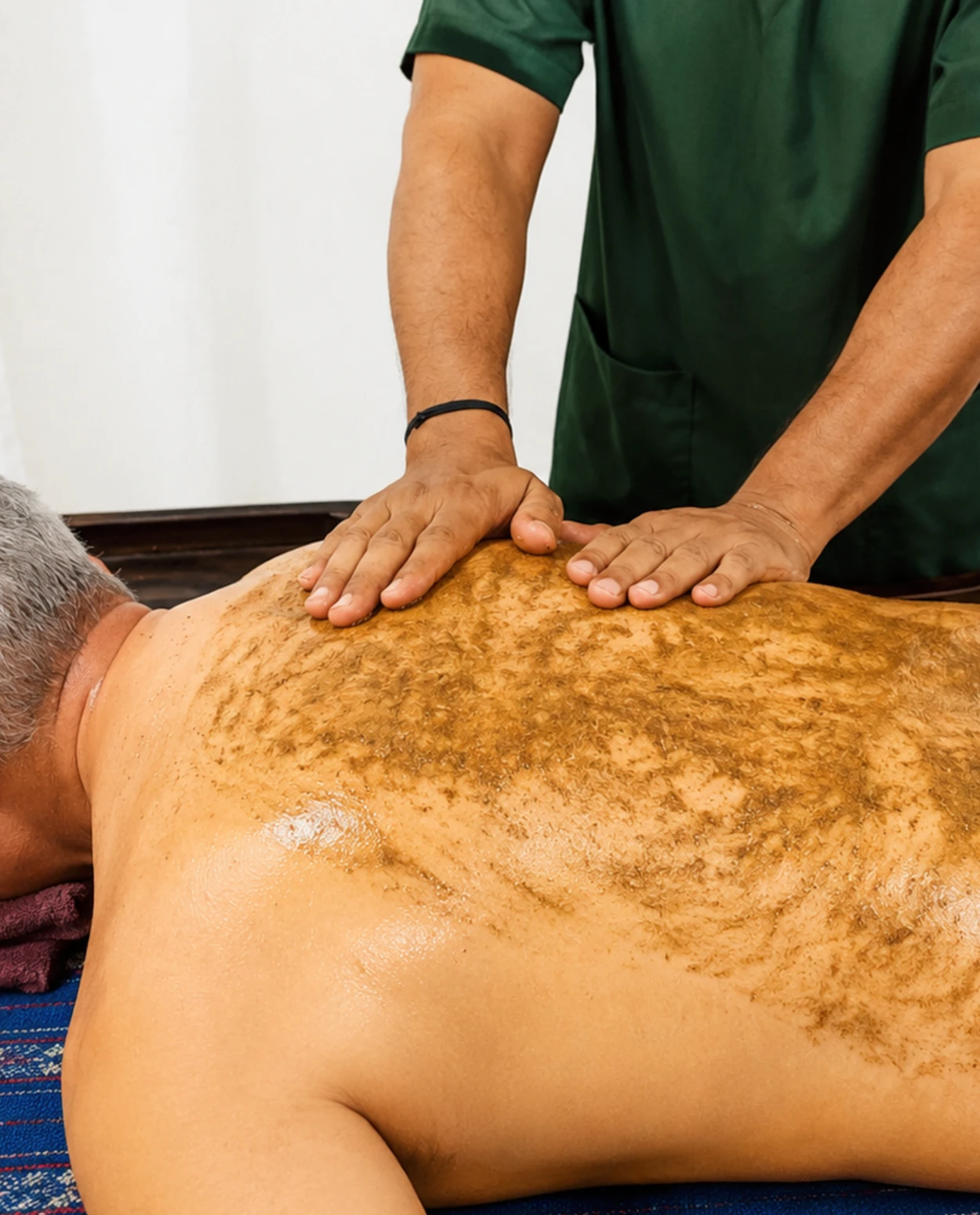
Ayurveda strongly emphasises dietary correction as one of the most important aspects of obesity management. Weight loss is not achieved through starvation or skipping meals. In fact, extreme dieting often leads to temporary results and may eventually cause rebound weight gain.
Ayurveda advocates Yogya Ahara, or appropriate nourishment, that supports metabolism while helping reduce excess Meda Dhatu.

One of Ayurveda’s greatest strengths lies in prevention.
Obesity develops gradually over time and can often be prevented through healthy eating habits, regular exercise, disciplined routines, and periodic Ayurvedic care.
By maintaining proper diet, physical activity, and lifestyle practices, it is possible to reduce the risk of obesity as well as associated conditions such as diabetes, hypertension, cardiovascular disease, and infertility.
At Ojas Ayurved, obesity management focuses on addressing the root causes of weight gain rather than simply reducing numbers on the weighing scale.
Treatment plans are personalised and may include:
The goal is to improve metabolism, reduce excess Meda Dhatu, increase stamina, enhance mobility, and support sustainable weight management while improving overall health and quality of life.

info@ojasayurved.com
+91 989014 3920 +91 20 82370 38169
Samruddhi society first floor flat no 1. United western colony. Near Tathawade udyan. Opposite Keyur 60 and chintamani society. Karve Nagar Pune 411052