


Stress has become one of the most common health concerns of modern life. Long working hours, excessive screen time, irregular eating habits, late-night sleep, lack of physical activity, social pressures, financial concerns, and constant mental stimulation have made stress an almost unavoidable part of daily living.
While occasional stress may help us perform better and respond to challenges, chronic and unmanaged stress can have a profound impact on both physical and mental health.
Ayurveda recognises stress as much more than a psychological issue. It understands that the mind and body are deeply interconnected, and disturbances in mental health inevitably affect physical health.
This is why Ayurveda places great emphasis on lifestyle management, emotional well-being, counselling, daily routines, and therapies that help restore balance to both the mind and the body.
Ayurveda describes the mind through three fundamental qualities:
Sattva represents clarity, balance, stability, positivity, and emotional resilience.
Raja is associated with activity, restlessness, agitation, overthinking, and emotional reactivity.
Tama is associated with inertia, confusion, lack of motivation, withdrawal, and emotional heaviness.
When Sattva predominates, the mind remains calm and balanced. However, excessive Raja and Tama can disturb emotional stability and contribute to stress, anxiety, irritability, emotional overwhelm, and mental fatigue.
Ayurvedic stress management therefore focuses not only on reducing symptoms but also on restoring Sattvic balance within the mind.

One of the most important aspects of Ayurvedic stress management is understanding that not all stress is the same.
Different individuals experience stress differently, and therefore treatment approaches must be personalised.
Physical stress may result from:
This may arise from:
Social stress can develop from:
Some individuals naturally have a tendency to overthink, worry excessively, or feel emotionally overwhelmed.
In such cases, the personality trait itself may contribute to chronic stress.
Ayurveda also recognises that not all stress is harmful.
Certain forms of stress can motivate growth, learning, and achievement. However, prolonged negative stress eventually begins affecting health and well-being.
Understanding the source of stress is critical because treatment depends upon identifying and addressing the root cause.

Many people believe stress affects only the mind. Ayurveda strongly disagrees.
According to Ayurvedic principles, mental disturbances directly affect Rasa Dhatu, the first and most important tissue formed after digestion.
Rasa Dhatu is responsible for:
When stress becomes chronic, Rasa Dhatu may become disturbed, affecting the nourishment of all subsequent Dhatus.
This is one reason why prolonged stress can influence multiple body systems and contribute to a variety of health concerns.

Ayurveda has long recognised the connection between emotional health and digestion.
Stress often affects:
Many digestive disorders worsen significantly during periods of emotional stress.
Conditions such as:
are frequently influenced by mental and emotional factors.
When mental health is disturbed, digestion is often disturbed as well.

Chronic stress can influence almost every aspect of health.
Over time, unmanaged stress may contribute to:
Many lifestyle disorders seen today have a significant stress component.
This is why stress management is not merely about feeling relaxed. It is an important part of preventing long-term health complications.

One of Ayurveda’s greatest strengths is its emphasis on identifying the root cause.
Every individual experiences stress differently.
A person experiencing workplace stress requires a different approach than someone dealing with grief, chronic illness, social isolation, anxiety, or family challenges.
Therefore, successful treatment begins with understanding:
Only after understanding these factors can an effective treatment plan be developed.

Ayurveda recognises the importance of counselling through a concept known as Ashwasan Chikitsa.
Many people hesitate to seek counselling due to social stigma. However, emotional support and guidance can play a transformative role in mental health.
Counselling helps individuals:
Every individual can benefit from counselling at different stages of life.
Seeking help should never be viewed as a weakness.


Shirodhara is one of Ayurveda’s most renowned therapies for stress management.
The continuous flow of medicated liquid over the forehead helps calm the nervous system and promote deep relaxation.
Shirodhara is frequently recommended for:
Full-body Ayurvedic oil massage helps balance Vata, relax muscles, improve circulation, and promote a sense of calm and well-being.
In selected individuals, Panchakarma therapies may be recommended as part of a comprehensive stress management plan, particularly when stress has contributed to chronic health concerns.

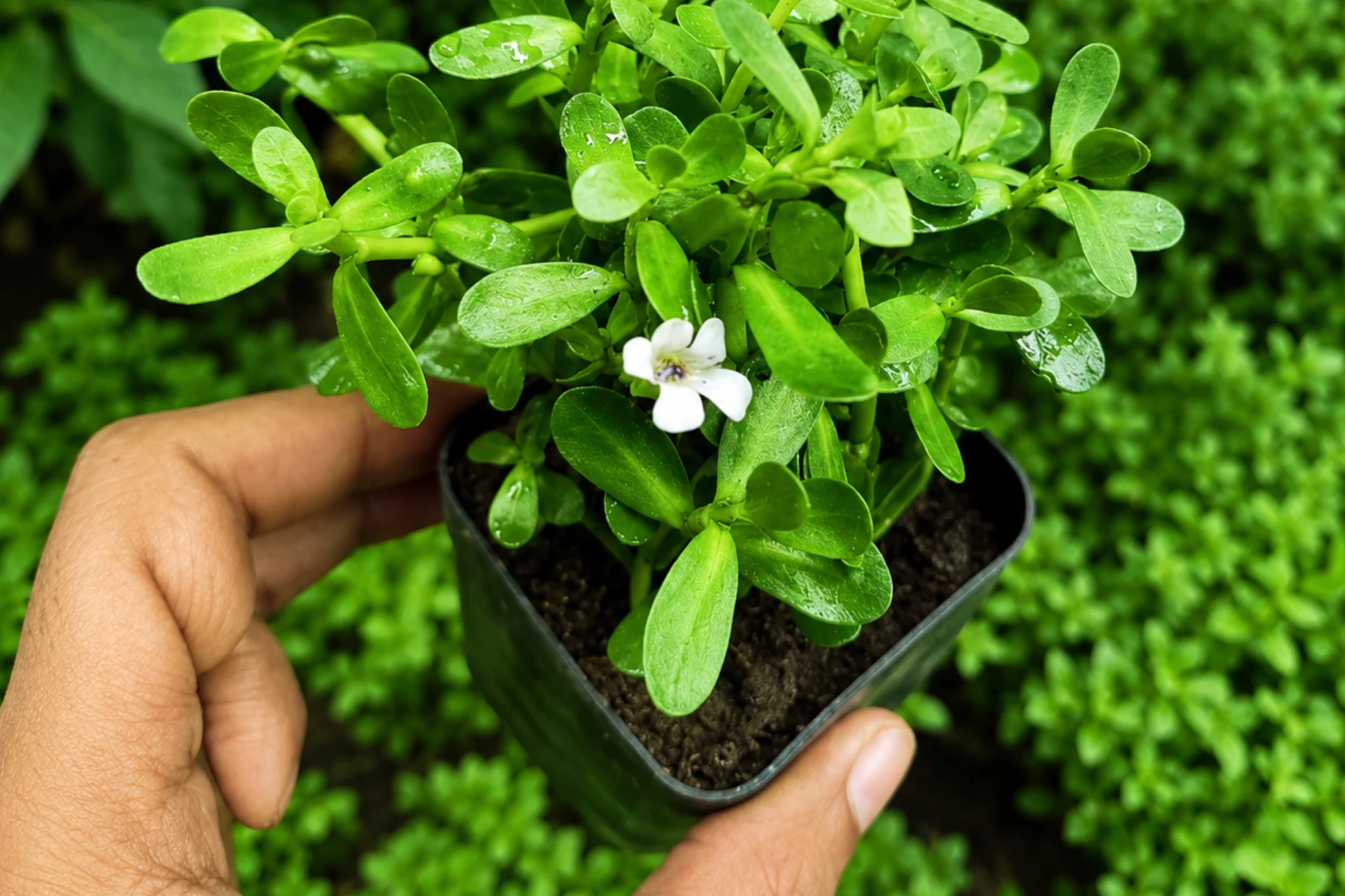
Ayurveda utilises several herbs traditionally known for supporting mental well-being and emotional balance.
These include:
Traditionally, these herbs are used to support:
Treatment is always individualised according to the person’s constitution and health condition.


Ayurveda places tremendous importance on nutrition in mental health.
Poor dietary habits can negatively influence both physical and emotional well-being.
Excessive consumption of:
may contribute to imbalance and poor overall health.
Ayurveda recommends a Sattvic diet, which supports clarity, emotional balance, and mental stability.
Foods such as:
help support both physical and mental health.
Good nutrition is often an essential component of successful stress management.

Many emotional burdens arise from unexpressed thoughts and feelings.
Ayurveda recognises that healthy communication plays an important role in emotional well-being.
Talking openly with trusted family members, friends, counsellors, or healthcare professionals often helps reduce emotional pressure and improve perspective.
Sometimes, the first step towards reducing stress is simply sharing it.


At Ojas Ayurved, stress management begins with understanding the individual rather than simply treating symptoms.
Treatment plans may include:
The goal is to improve emotional balance, enhance resilience, reduce stress, and prevent stress-related health complications.
The most effective ways to manage stress long-term include:

info@ojasayurved.com
+91 989014 3920 +91 20 82370 38169
Samruddhi society first floor flat no 1. United western colony. Near Tathawade udyan. Opposite Keyur 60 and chintamani society. Karve Nagar Pune 411052