
Hair is often seen as a reflection of overall health. While many people focus only on external hair care products and treatments, Ayurveda believes that healthy hair begins from within.
According to Ayurveda, Kesha (hair) is considered a Mala (by-product) of Asthi Dhatu, the tissue responsible for maintaining the health of bones and structural integrity of the body. This means that hair health is closely connected to the nourishment and quality of Asthi Dhatu.
When tissue nourishment is compromised due to poor lifestyle, improper nutrition, chronic illness, hormonal imbalances, or Dosha disturbances, hair often becomes one of the first visible indicators.
Hair fall, thinning, premature greying, dryness, and reduced hair quality are therefore not merely cosmetic concerns but may indicate deeper imbalances within the body.
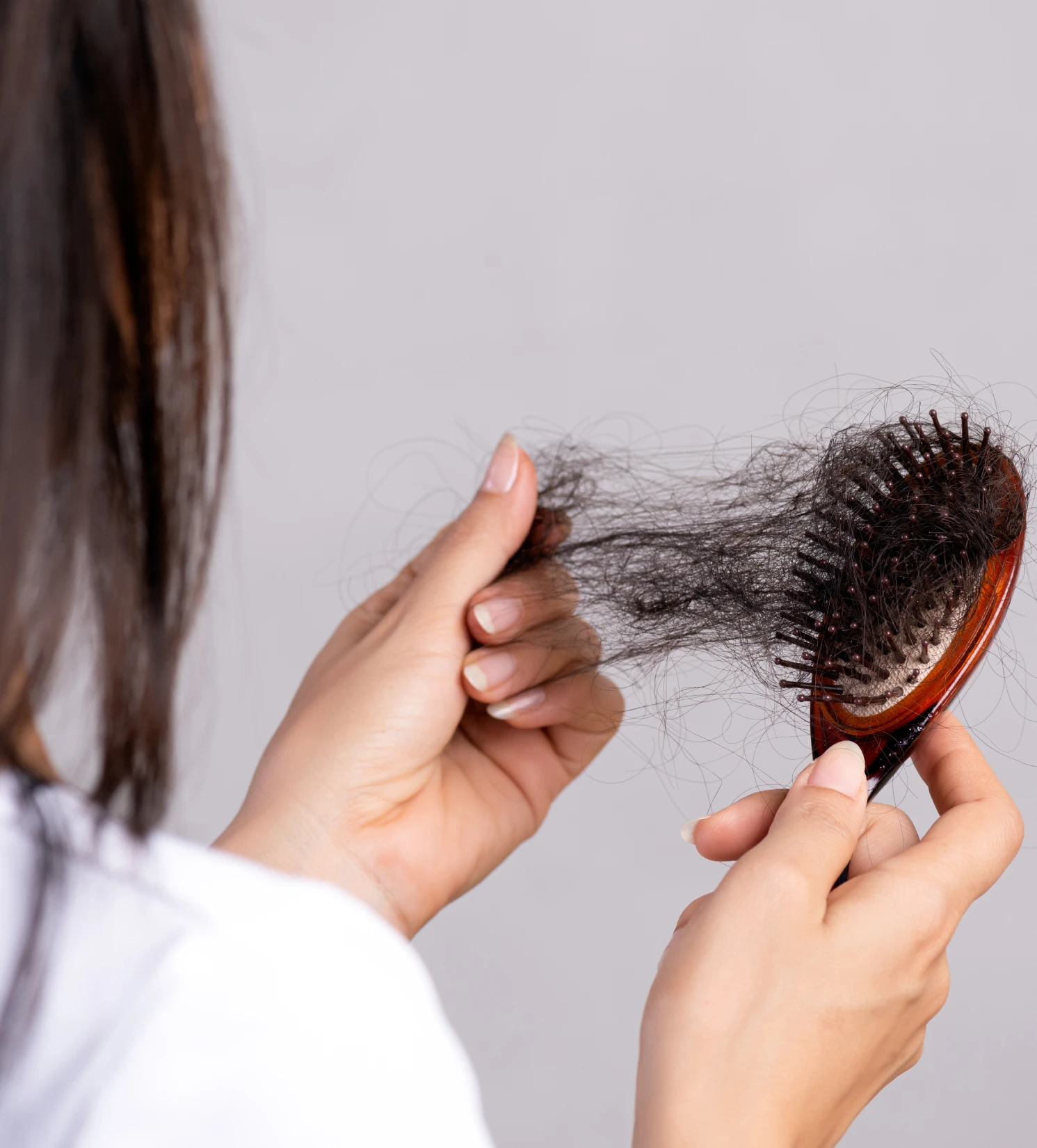
One of the most important Ayurvedic principles in hair treatment is understanding that hair fall is often a symptom of an underlying imbalance rather than a disease by itself.
Many individuals experience hair loss as a secondary effect or Upadrava of other health conditions such as:
Unless these underlying causes are identified and addressed, external treatments alone often provide only temporary improvement.
This is why Ayurvedic treatment focuses first on understanding and correcting the root cause before beginning local therapies for the scalp and hair.
Among the three Doshas, Vata plays a significant role in hair health.
Aggravated Vata may contribute to:
Modern lifestyle habits such as irregular meals, stress, lack of sleep, excessive travel, and inadequate nourishment can all aggravate Vata and negatively affect hair growth.
Therefore, balancing Vata becomes an important aspect of Ayurvedic hair treatment.
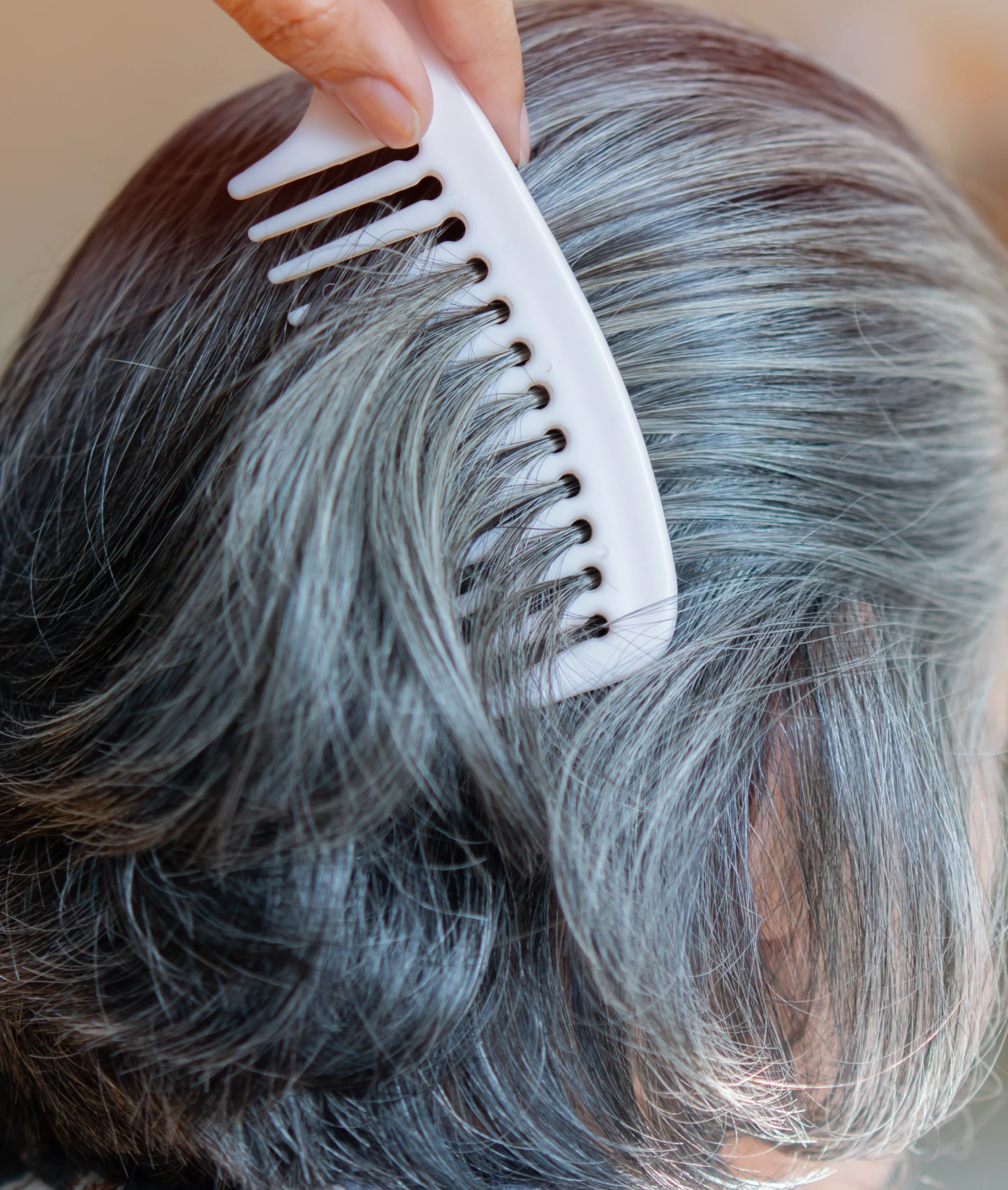
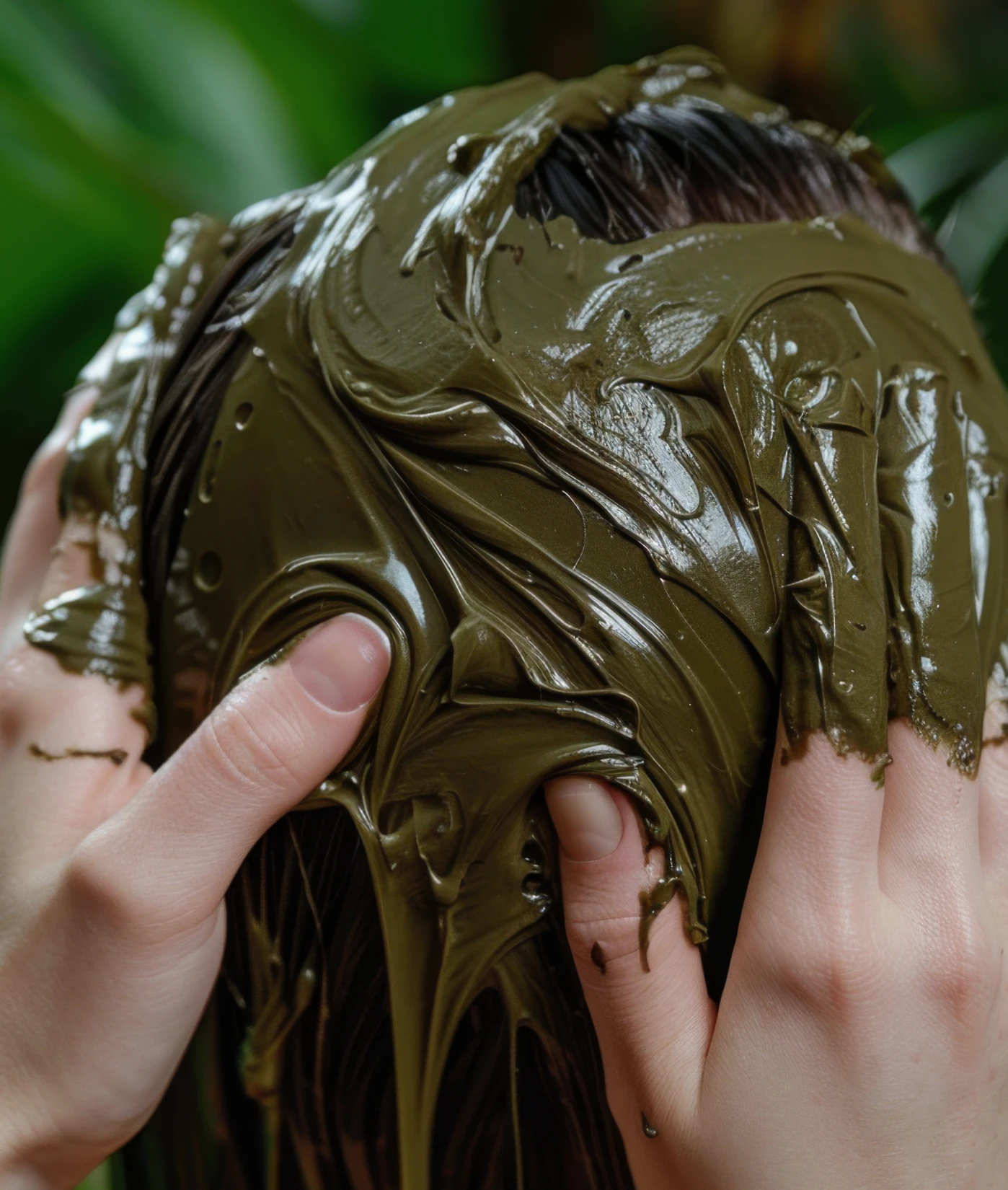
Many people attempt to control hair fall through shampoos, serums, conditioners, and cosmetic treatments.
While these may help improve appearance temporarily, Ayurveda believes that healthy hair growth requires proper nourishment from within.
Hair receives nutrition only when the body’s tissues are adequately nourished. Therefore, unless digestion, metabolism, lifestyle, and overall health are addressed, external treatments alone are unlikely to produce lasting results.
Successful hair treatment requires a combination of:
This holistic approach helps create healthier and stronger hair over time.
Several common lifestyle habits may contribute to hair damage and hair loss.
These include:
If hair colouring or styling is required, Ayurveda recommends protecting the hair beforehand through proper oiling, steam therapy, and nourishing hair packs. This helps minimise damage and maintain hair strength.
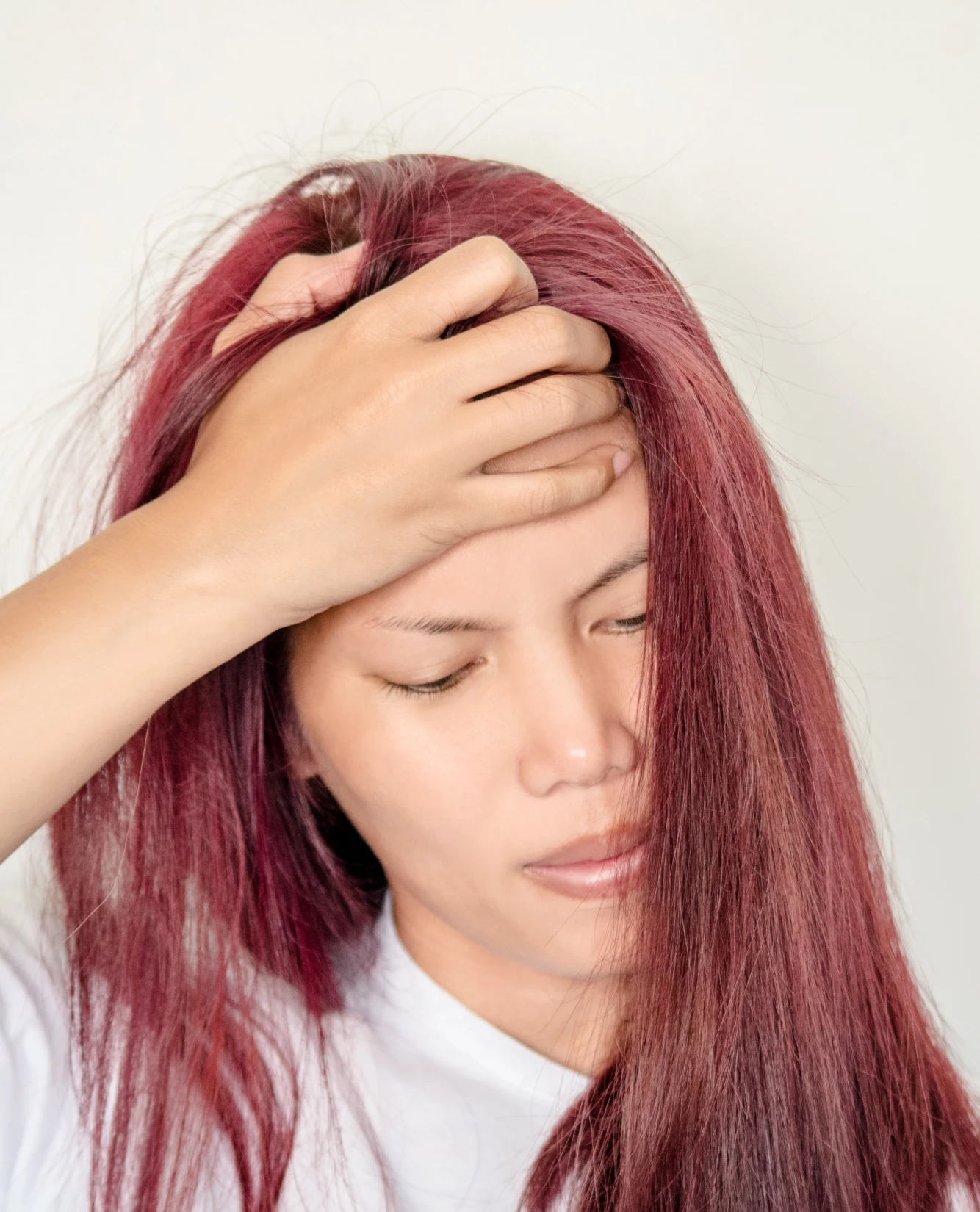
Ayurveda places tremendous importance on nutrition for healthy hair growth.
Hair cannot remain healthy if the body is not receiving complete nourishment.
may negatively affect hair quality over time.
Ayurvedic texts often consider excessive salty and sour foods unfavourable for healthy hair growth when consumed in excess.
Instead, emphasis is placed on a balanced and nourishing diet that supports all three Doshas and provides complete nutrition.
Healthy hair reflects healthy nutrition. The nourishment provided to the body eventually becomes visible through the quality, strength, and growth of hair.
Ayurveda offers several therapies that help support scalp health and hair growth.
Shirodhara helps calm the mind and support Vata balance. It is often recommended for individuals experiencing stress-related hair fall.
Application of medicated herbal pastes to the scalp helps nourish the scalp and support healthy hair roots.
In this specialised therapy, medicated oils are retained over the scalp for a specific duration under supervision. It helps support scalp nourishment and hair health.
Regular Shirodhara sessions may be beneficial for individuals experiencing stress, disturbed sleep, and Vata-related hair concerns.
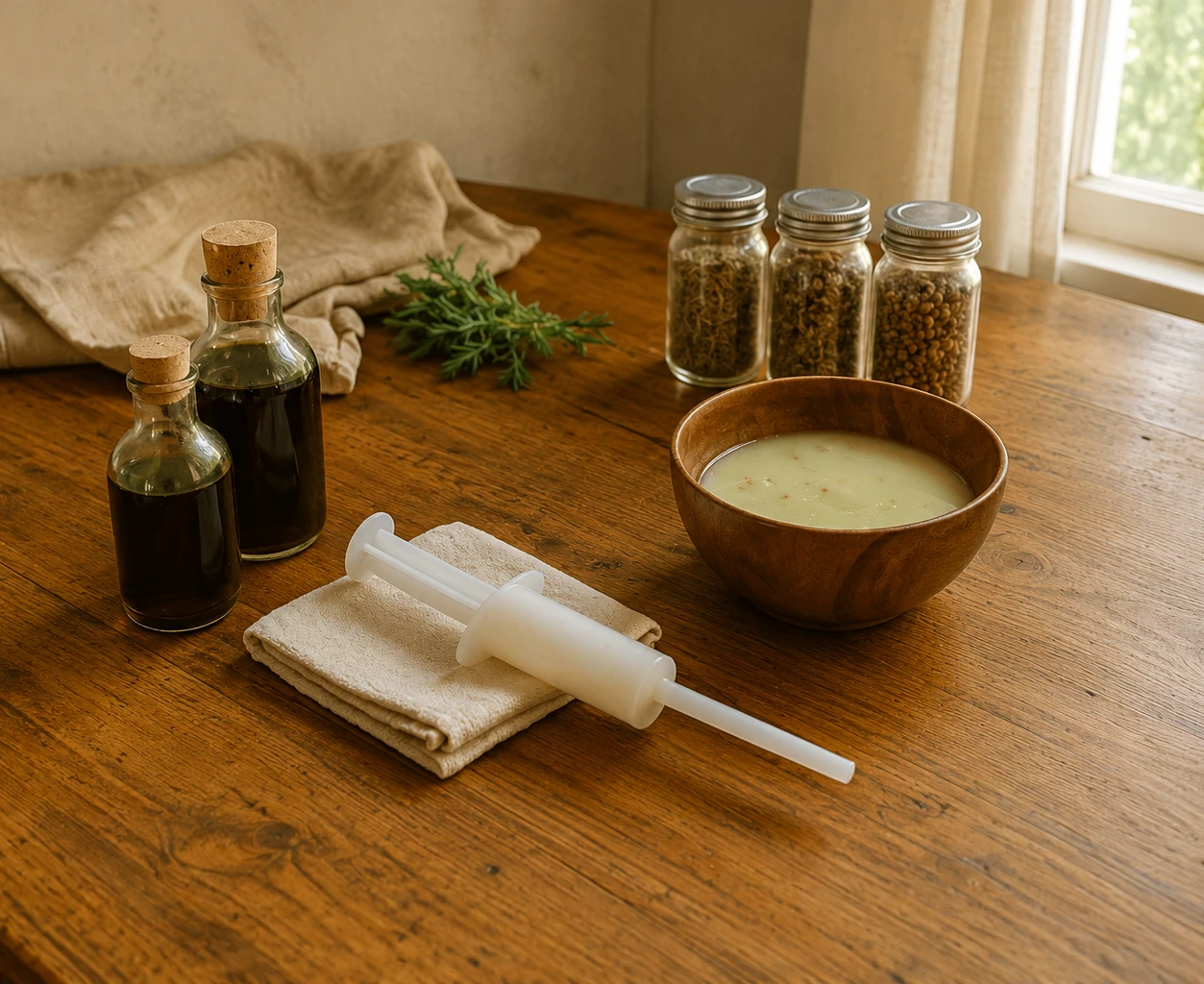
In selected cases, Ayurvedic physicians may recommend Tikta Ksheera Basti, a specialised Panchakarma therapy.
This therapy is traditionally used to support Asthi Dhatu and deeper tissue nourishment. Since hair is closely related to Asthi Dhatu, therapies that strengthen and nourish this tissue may also contribute positively to long-term hair health.
Treatment recommendations are always individualised according to the patient’s constitution and underlying health condition.
Hair fall is commonly observed in individuals undergoing intensive medical treatments, including cancer therapies.
In many such cases, hair loss occurs as a side effect of treatment rather than as a primary hair disorder.
Ayurveda focuses on supporting overall health, nourishment, recovery, and tissue regeneration. As health improves and the body regains strength, healthy hair growth often follows naturally.
The focus remains on supporting the individual holistically rather than treating hair loss in isolation.
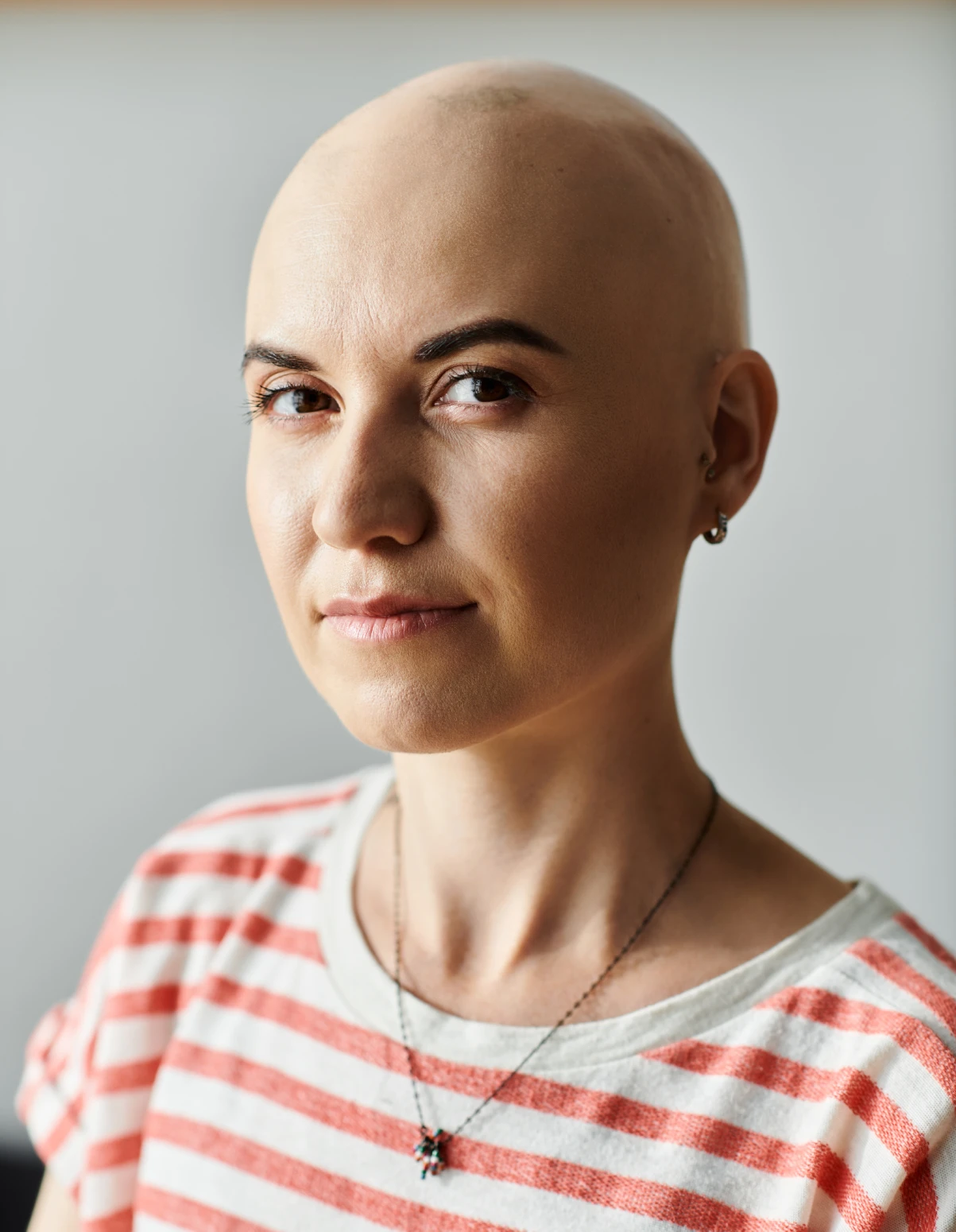
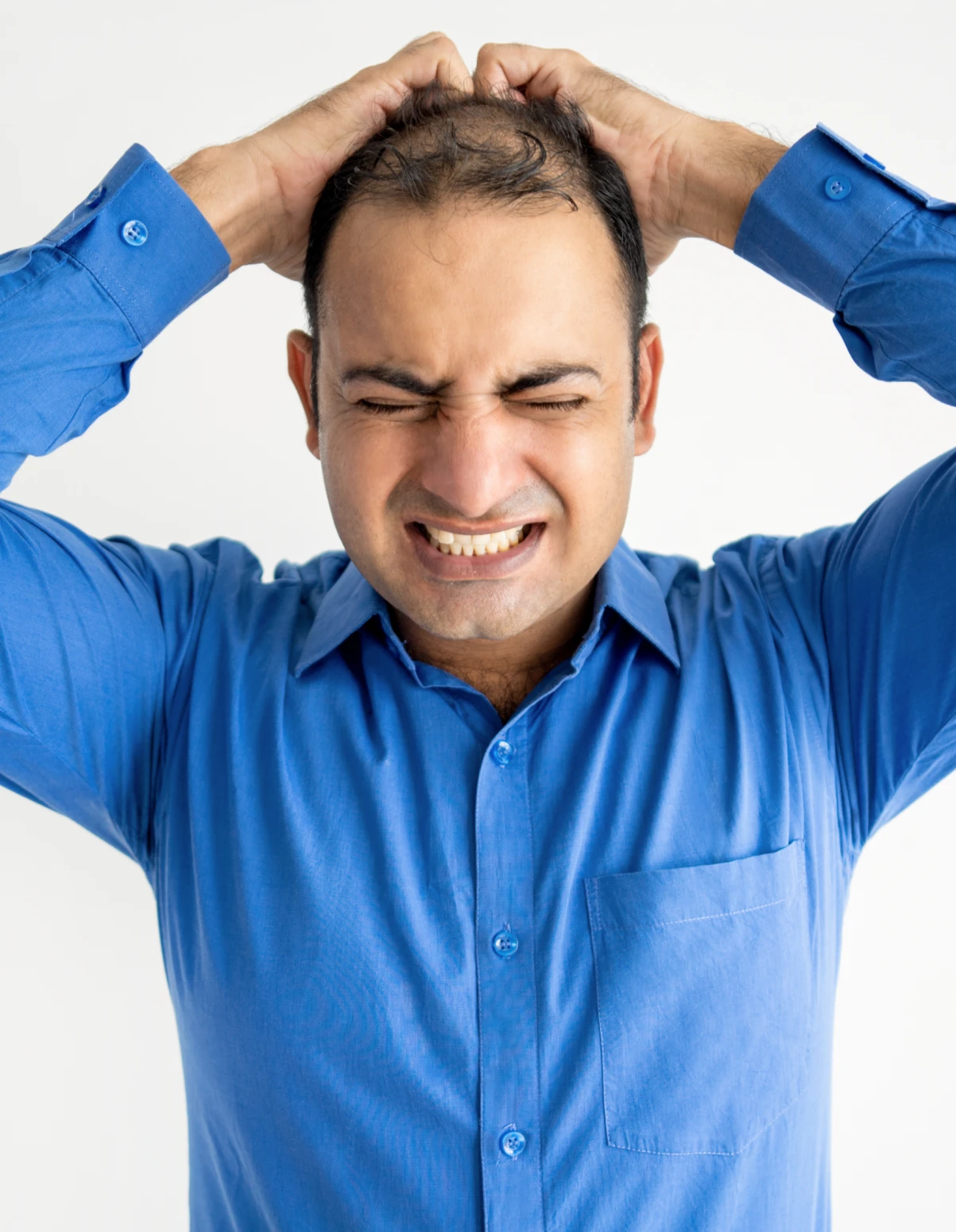
Hair loss can have a significant psychological impact.
Many individuals experience:
This is particularly common among younger individuals experiencing premature balding and among patients recovering from major illnesses.
Ayurveda recognises the close relationship between emotional well-being and physical health. Therefore, treatment often includes supporting both mental and physical wellness.
Ayurveda manages a variety of hair and scalp-related concerns, including:
Excessive sweating of the scalp may also require attention, as it can contribute to scalp-related concerns and should not be ignored.
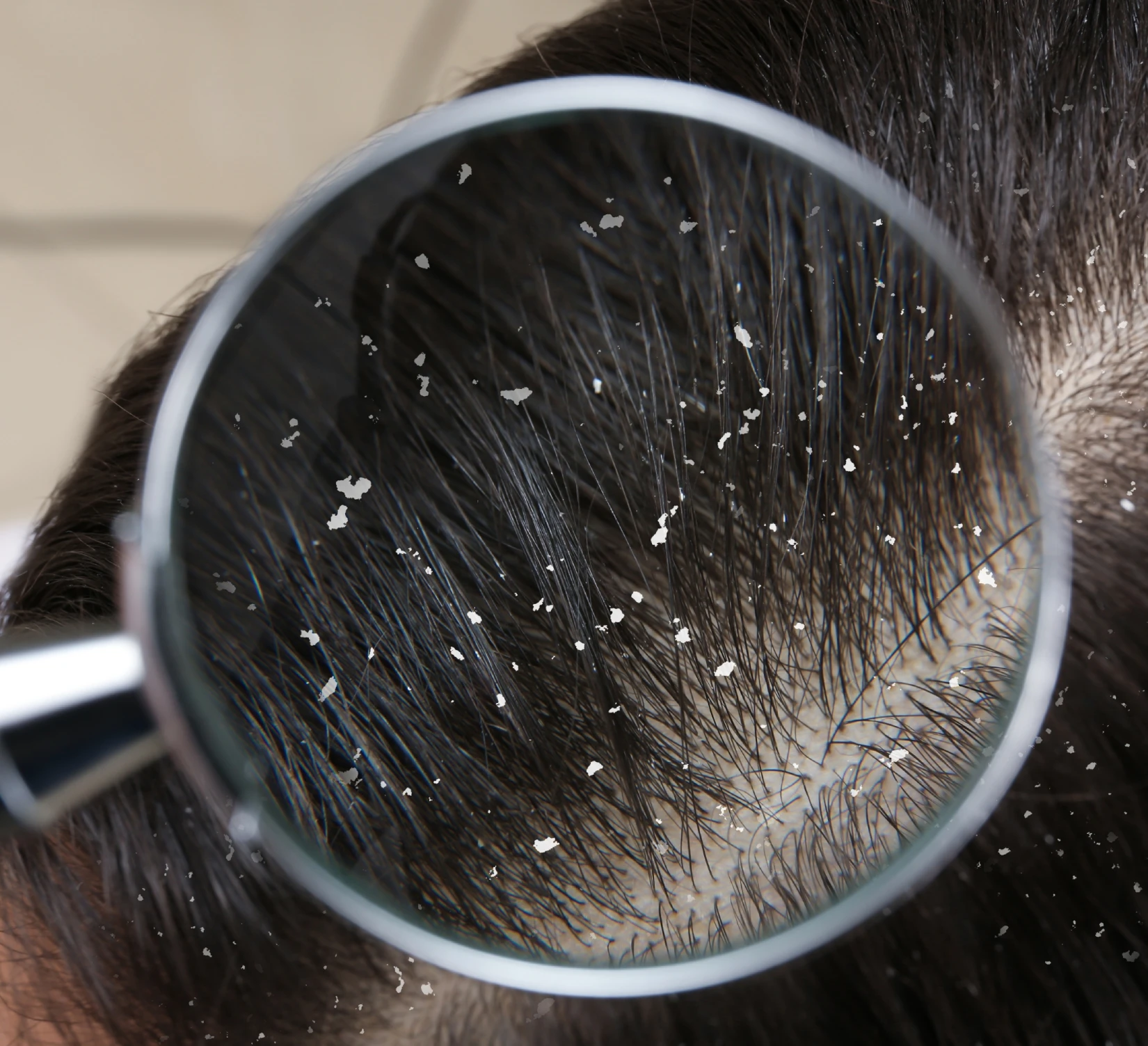
At Ojas Ayurved, hair treatment focuses on identifying the root cause of hair loss rather than simply treating symptoms.
Effective hair fall control requires a multi-step approach:
info@ojasayurved.com
+91 989014 3920 +91 20 82370 38169
Samruddhi society first floor flat no 1. United western colony. Near Tathawade udyan. Opposite Keyur 60 and chintamani society. Karve Nagar Pune 411052