
In Ayurveda, disorders such as:
Cervical Spondylosis | Lumbar Spondylosis | Lumbar Stenosis | Sciatica | Tingling or numbness in feet | Radiating pain in legs or arms
are not viewed merely as orthopaedic or structural disorders. They are understood as deeper degenerative conditions involving:
Vata Dosha aggravation | Asthi Dhatu depletion | Majja Dhatu disturbance | Dryness and degeneration within joints and discs | Compression and irritation of nerve pathways
The spine is considered one of the most important support systems of the body because it houses and protects Majja Dhatu, which includes marrow and nervous system functioning.
Healthy spinal functioning depends on:
Proper nourishment of Asthi Dhatu (bone tissue) | Healthy Majja Dhatu (marrow and nerve tissue) | Good circulation and lubrication | Balanced Vata Dosha
When these systems become disturbed over time, degeneration gradually develops within the spine, discs, joints, and nerves.
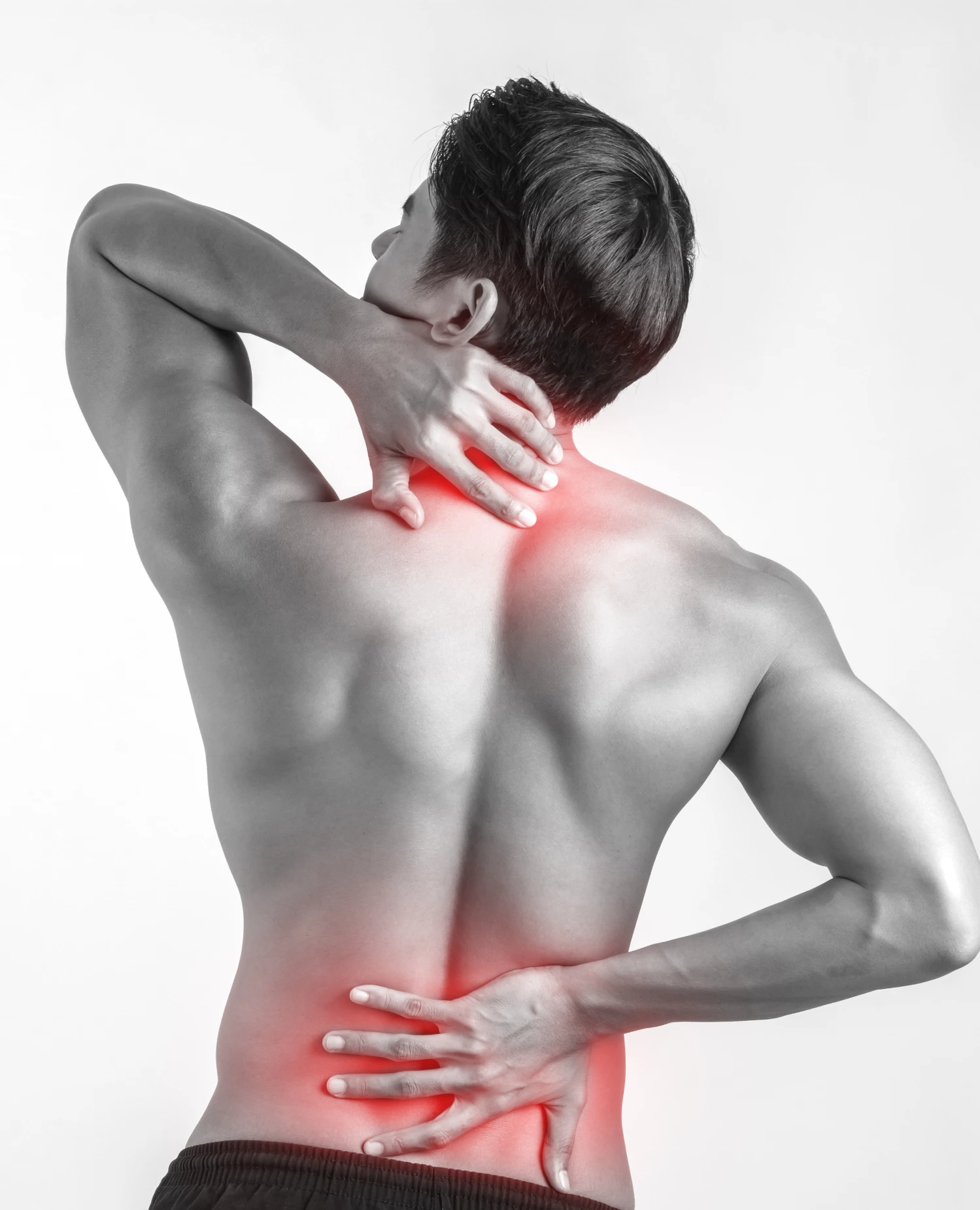
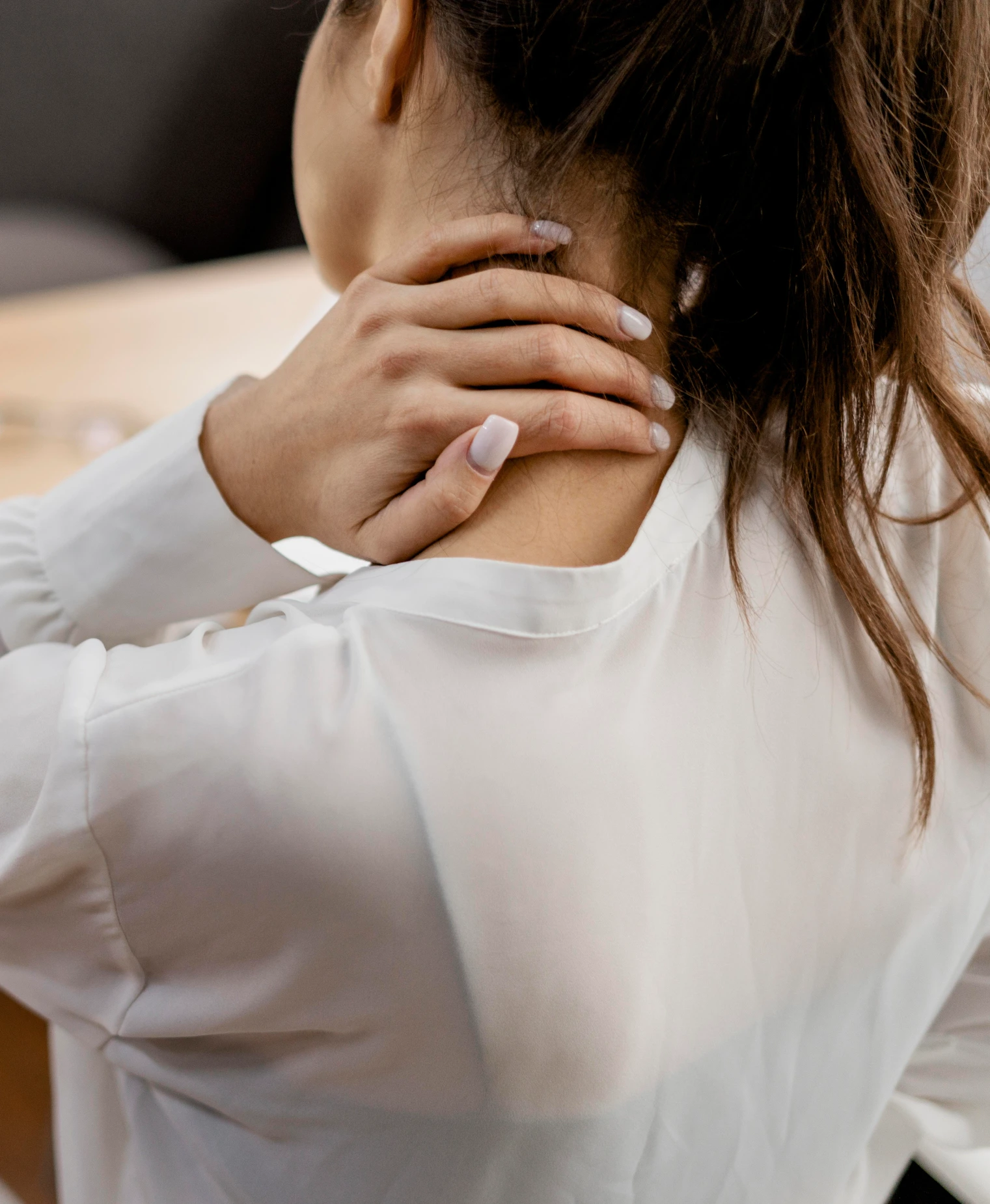
Ayurveda explains that many chronic spinal and nerve-related disorders fall under Asthi Majja Gata Vata, where aggravated Vata affects:
Bones | Marrow | Nerves | Joints | Supporting spinal structures
Vata has qualities such as:
Dryness | Roughness | Degeneration | Instability | Depletion
When Vata becomes aggravated due to ageing, stress, improper posture, lack of nourishment, excessive strain, sedentary lifestyle, or disturbed sleep, it gradually dries and weakens the tissues.
This leads to:
Degeneration of intervertebral discs | Weakening of spinal support structures | Reduced lubrication between joints | Compression of nerves | Stiffness and restricted movement | Pain and radiating symptoms
Ayurveda therefore, approaches spinal disorders as a condition of tissue depletion and Vata aggravation rather than only mechanical compression.
Lumbar stenosis involves the narrowing of the spinal canal or spaces through which nerves pass.
As these spaces become narrower due to degeneration, calcification, disc bulging, or joint changes, pressure develops on nerves.
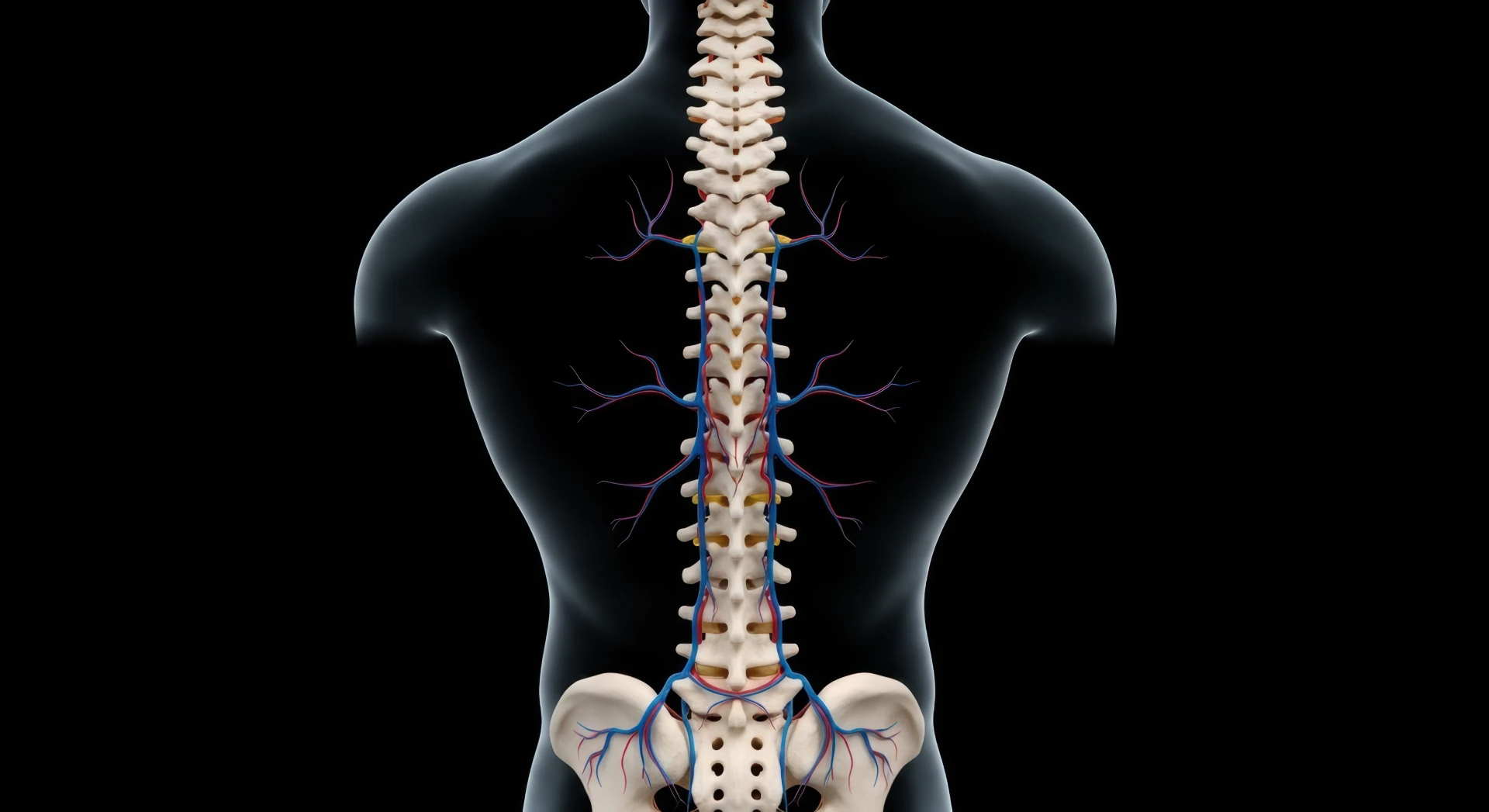
Asthi Dhatu forms:
Weak Asthi Dhatu contributes to:
• Degeneration
• Reduced spinal support
• Disc weakness
• Structural instability
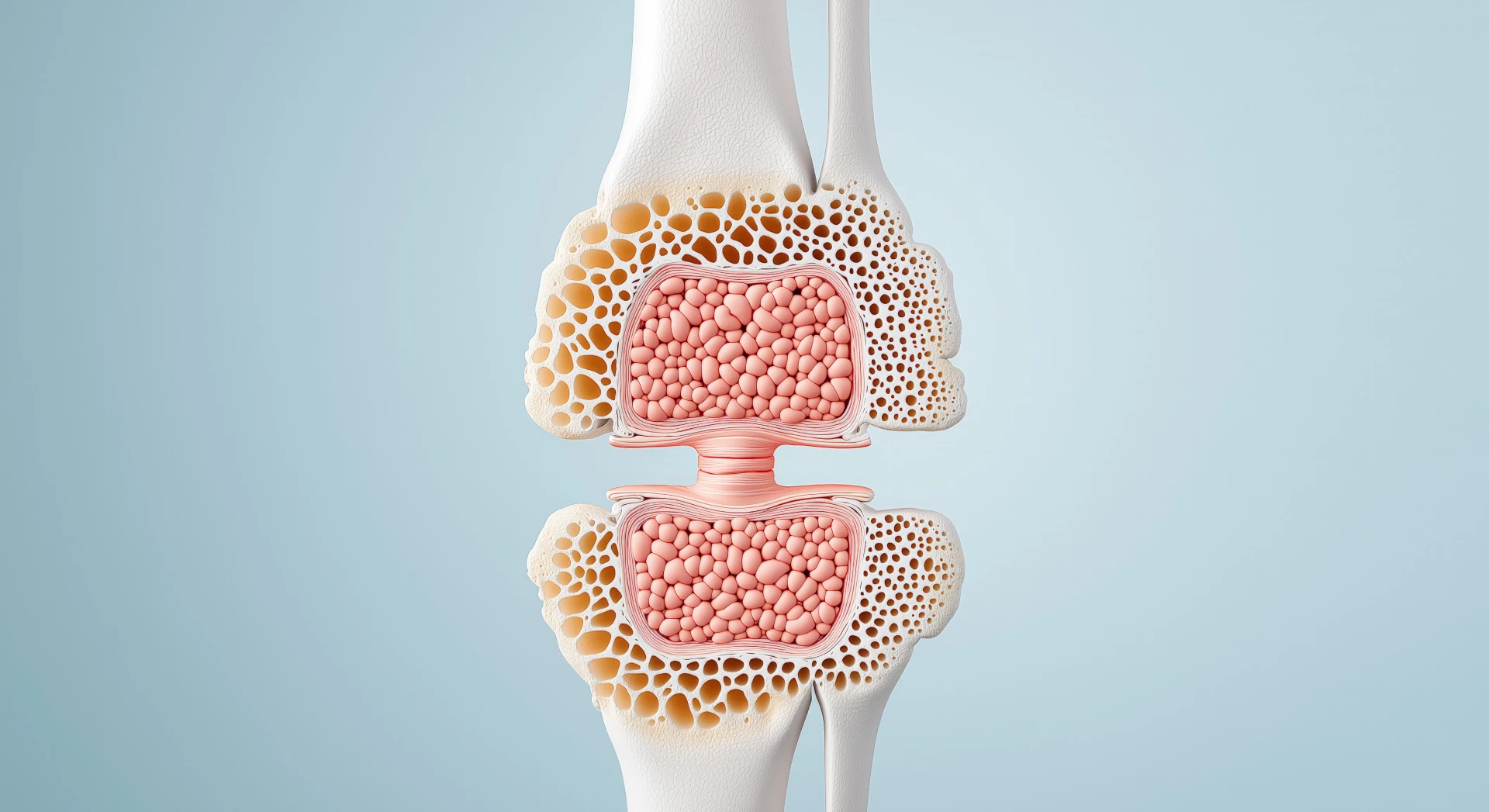
Majja Dhatu is closely connected with:
Disturbance in the Majja Dhatu may lead to:
• Tingling sensations
• Numbness
• Weakness
• Nerve irritation
• Reduced coordination and stability
This is why Ayurvedic treatment focuses not only on pain relief, but on nourishing and strengthening deeper tissues.
At Ojas Ayurved, Panchakarma plays a major role in managing degenerative spinal and nerve-related disorders.
Panchakarma is not merely a massage therapy. It is a specialised Ayurvedic treatment process designed to:
Balance aggravated Vata | Improve circulation | Nourish Asthi and Majja Dhatu | Support nerve functioning | Reduce stiffness and pain | Improve flexibility and movement | Slow degenerative changes naturally
Since Vata is the primary Dosha involved in degeneration, Panchakarma therapies become highly beneficial in chronic spinal disorders.
Patients often experience improvement in:
Neck and back pain | Tingling and numbness | Muscle stiffness | Radiating pain | Flexibility and mobility | Walking comfort | Overall quality of movement
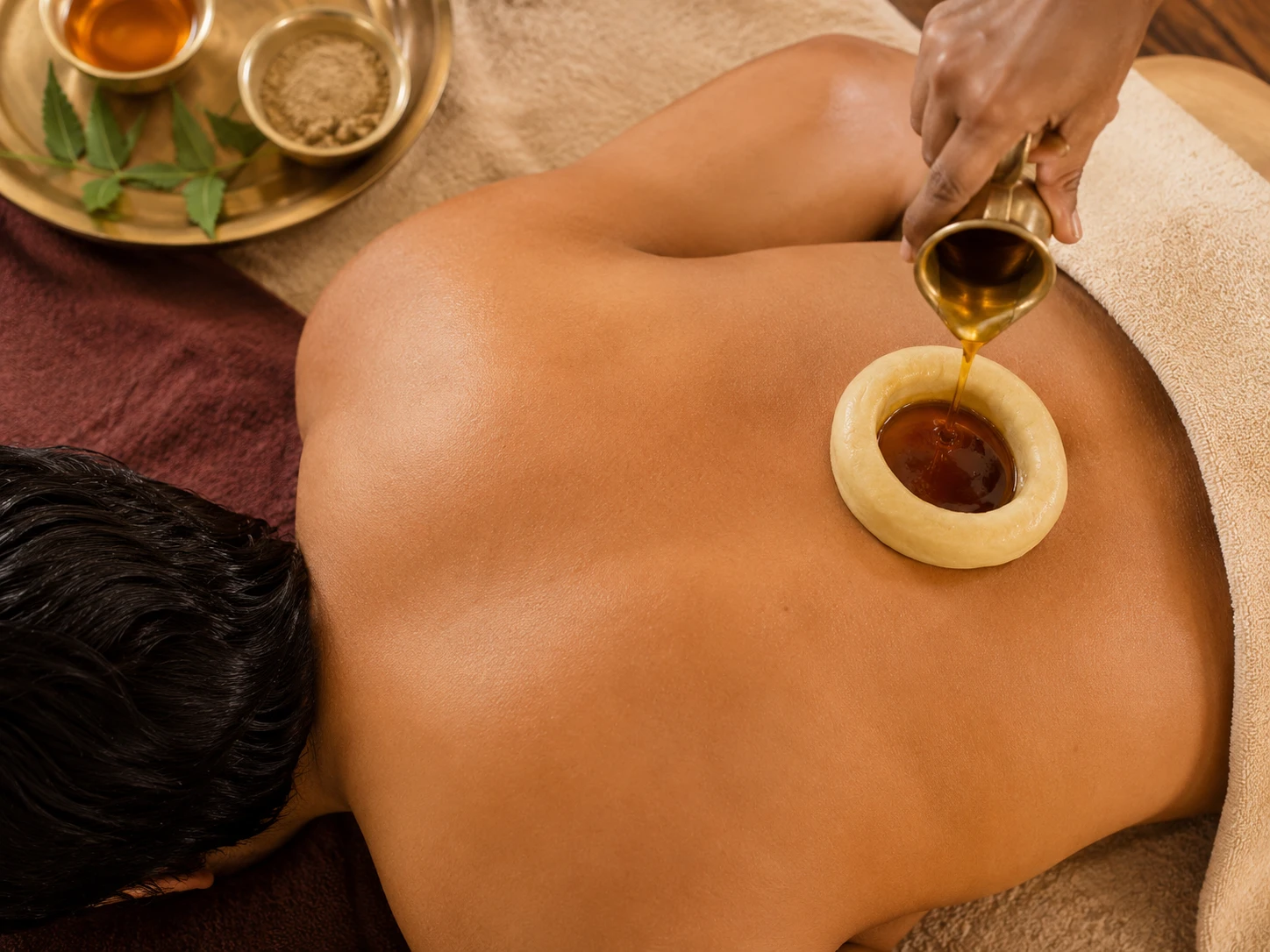
Warm medicated oils are retained over the lower back region to support: Lubrication | Relaxation | Circulation | Pain reduction
Ayurveda strongly emphasises lifestyle correction because modern habits significantly worsen spinal degeneration.
Factors such as:
Prolonged sitting | Poor posture | Stress | Disturbed sleep | Sedentary lifestyle | Excessive physical strain | Weak digestion and poor nourishment
gradually aggravate Vata and weaken spinal tissues further.
Treatment therefore, also focuses on:
Postural correction | Gentle movement and stretching | Proper sleep support | Weight management | Stress reduction | Dietary correction | Improving circulation and tissue nourishment
At Ojas Ayurved, spinal disorders are approached through a holistic and root cause-based Ayurvedic perspective focused on reducing degeneration, supporting nerve health, strengthening the spine, and improving long-term mobility naturally.
The primary purpose of Panchakarma is to eliminate deeply embedded toxins (Ama) from the body that regular fasting or exercise cannot reach. It is a five-fold purification process designed to balance the three Doshas (Vata, Pitta, Kapha), restore the body's natural healing capacity, and rejuvenate the tissues. Think of it as a "deep service" for your body’s internal systems.
Yes, you can absolutely live a long, active, and high-quality life with Cervical Spondylosis. While it is a degenerative condition, it is not life-threatening. The key is early management to prevent the "wear and tear" from affecting your nerve functions. By adopting a Vata-pacifying lifestyle, maintaining correct posture, and undergoing periodic Ayurvedic detox therapies like Nasya, you can stop the progression of the disease and remain pain-free throughout your life.
Cervical Spondylosis is most commonly linked to a deficiency in Vitamin B12 and Vitamin D3. Vitamin D3 is essential for bone density and calcium absorption, while B12 is critical for nerve health and the maintenance of the myelin sheath. In Ayurveda, we also correlate this with a weakness in the Asthi Dhatu (bone tissue), which we treat using calcium-rich natural supplements and medicated oils that nourish the skeletal system from within.
If you have active neck pain or nerve compression, you must strictly avoid high-impact activities and exercises that put a strain on the cervical spine. This includes heavy weightlifting (especially overhead presses), running or jogging on hard surfaces, and contact sports. Additionally, avoid any yoga poses that involve deep neck extensions or "Headstands" (Sirsasana). Always focus on gentle isometric neck-strengthening exercises only after your acute pain has subsided under medical guidance.
To stop the condition from worsening, you must prioritize Postural Hygiene and regular internal lubrication. Avoid looking down at your phone for long periods (Text Neck) and ensure your computer screen is at eye level. Incorporating healthy fats like Ghee into your diet and using medicated oils for a gentle daily neck massage can prevent disc dryness. Most importantly, undergoing an annual Panchakarma detox at Ojas Ayurved helps flush out the toxins that cause stiffness, ensuring your spine stays flexible and youthful.

info@ojasayurved.com
+91 989014 3920 +91 20 82370 38169
Samruddhi society first floor flat no 1. United western colony. Near Tathawade udyan. Opposite Keyur 60 and chintamani society. Karve Nagar Pune 411052