
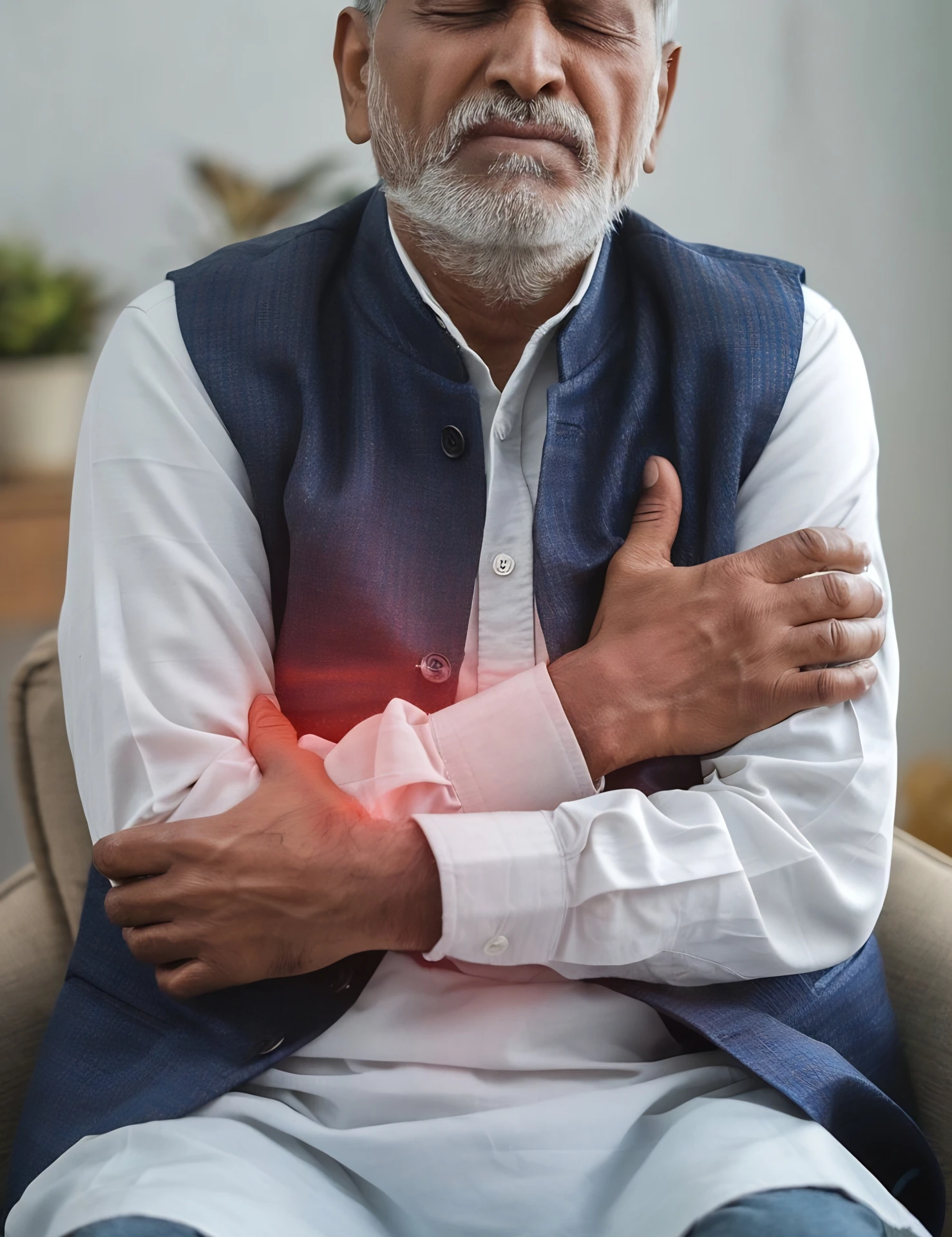
Sandhigata Vata closely resembles osteoarthritis. It occurs when aggravated Vata affects the joints and gradually causes degeneration of joint tissues.
This may lead to:
• Joint pain during movement
• Stiffness
• Cracking sounds in joints
• Reduced flexibility
• Dryness within the joints
It is commonly associated with ageing and wear and tear of joint structures.
Amavata closely resembles rheumatoid arthritis and inflammatory joint conditions.
Ayurveda explains that when digestion and metabolism weaken, toxins begin circulating within the body and affect the joints and channels. This creates inflammation and stiffness.
Symptoms may include:
• Swelling in joints
• Severe pain
• Morning stiffness
• Fatigue
• Restricted movement
Ayurveda therefore places strong emphasis on improving digestion and metabolism in inflammatory arthritis conditions.
Vatarakta resembles gout and certain inflammatory joint disorders involving both Vata Dosha and Rakta Dhatu imbalance.
It may present with:
• Severe pain
• Burning sensation
• Swelling and redness
• Tenderness in joints
• Difficulty in movement
The condition is often associated with disturbed circulation and metabolic imbalance affecting the joints.
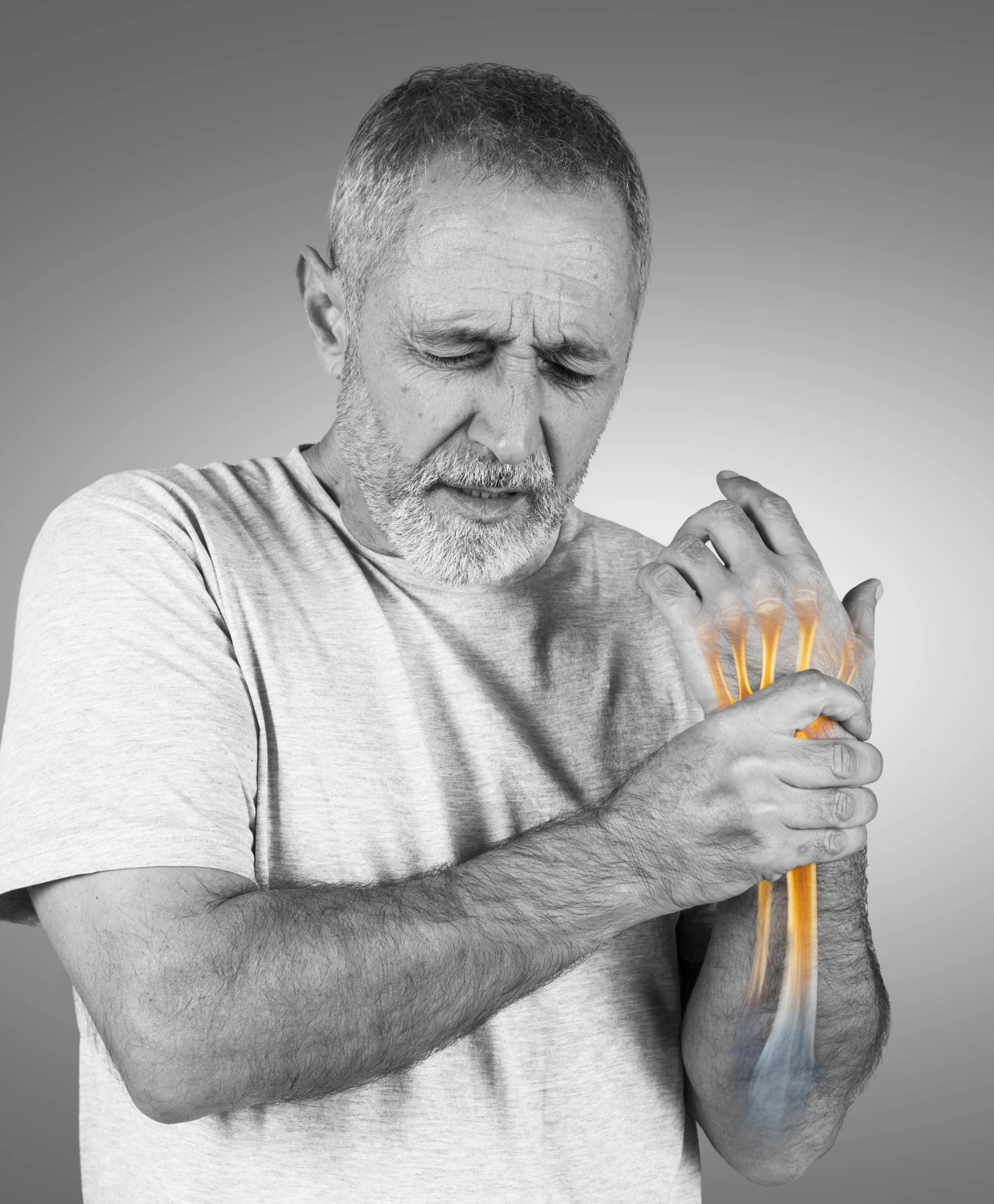
Ayurveda explains that chronic joint disorders develop gradually through:
Vata aggravation | Weakening of Asthi Dhatu | Poor tissue nourishment | Disturbed circulation | Metabolic imbalance | Accumulation of toxins affecting joints and channels
As lubrication within the joints reduces and tissues weaken, degeneration progresses further.
This is why Ayurveda focuses not only on pain relief, but also on improving:
Joint nourishment | Bone strength | Circulation | Flexibility | Mobility | Long term tissue health
The goal is to slow degeneration naturally while improving quality of movement and daily functioning.
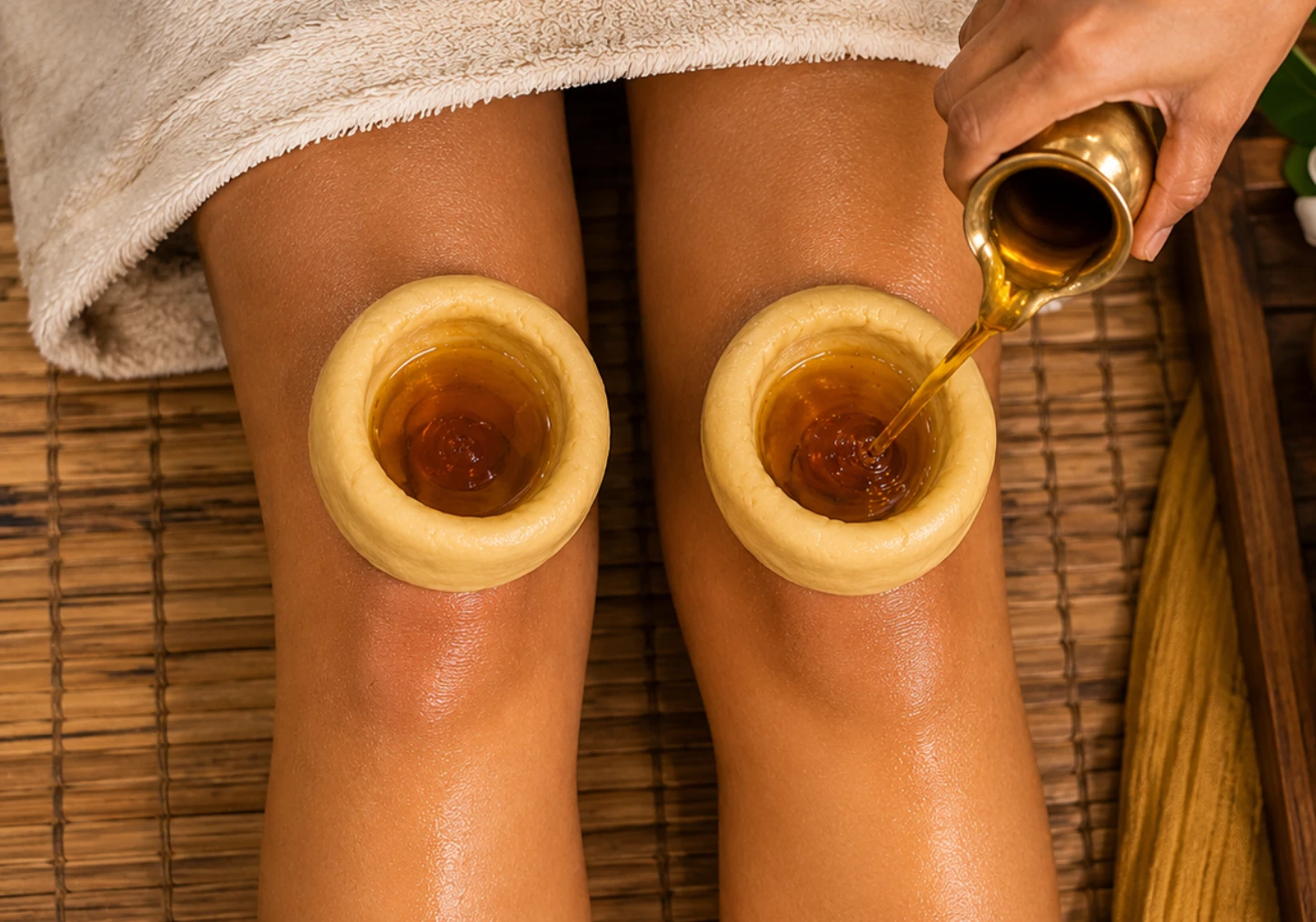
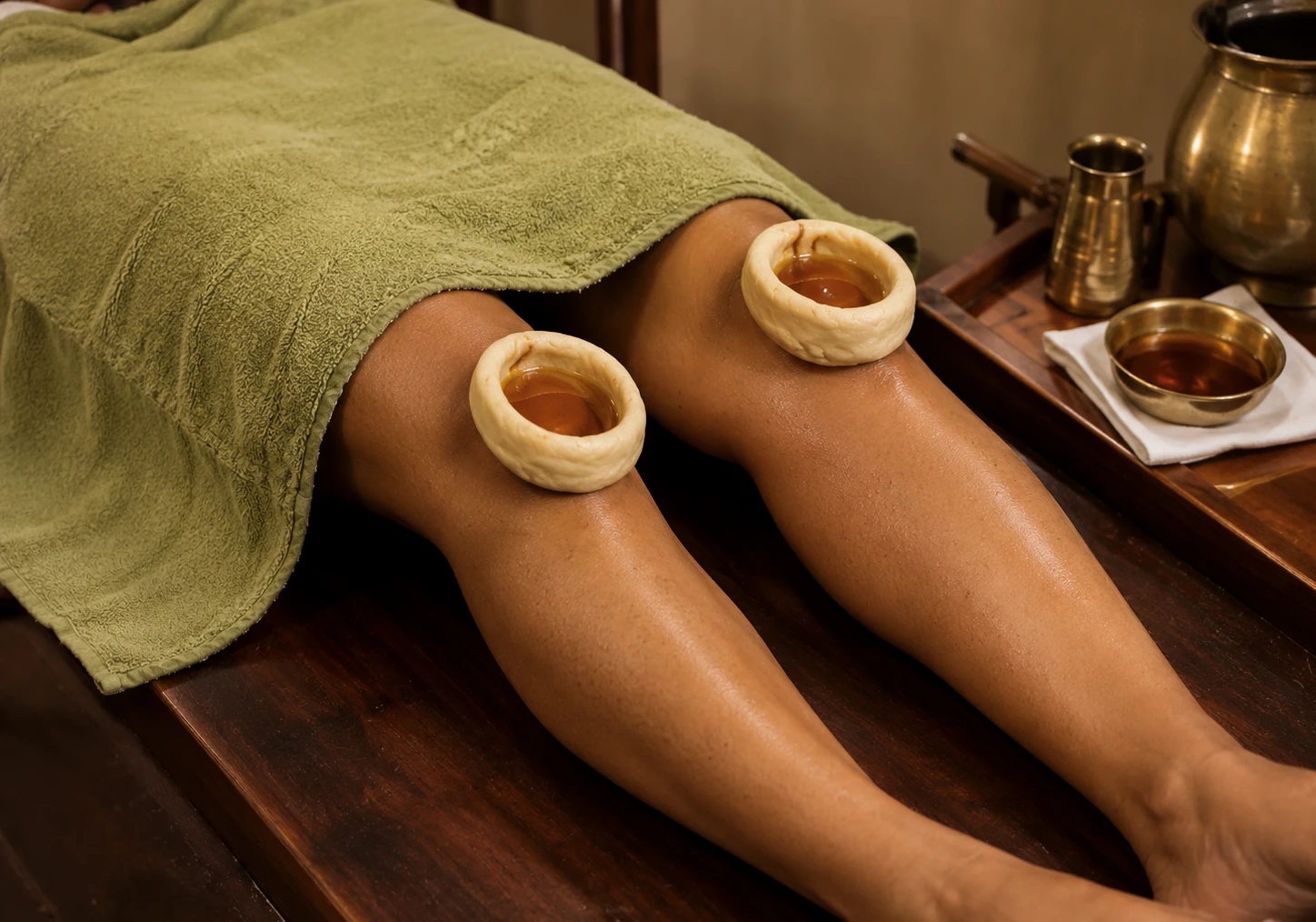
At Ojas Ayurved, Panchakarma plays a very important role in arthritis and musculoskeletal disorders.
Panchakarma is not simply a relaxation therapy. It is a systematic Ayurvedic treatment process designed to remove toxins from the body, balance aggravated Vata, improve circulation, reduce stiffness, and support deeper tissue nourishment.
Joint disorders often involve long standing Vata imbalance and chronic tissue degeneration. Panchakarma helps address these imbalances at the root level rather than only temporarily suppressing symptoms.
Patients often experience improvement in:
Pain and stiffness | Joint mobility | Flexibility | Swelling and inflammation | Ease of movement | Overall quality of life
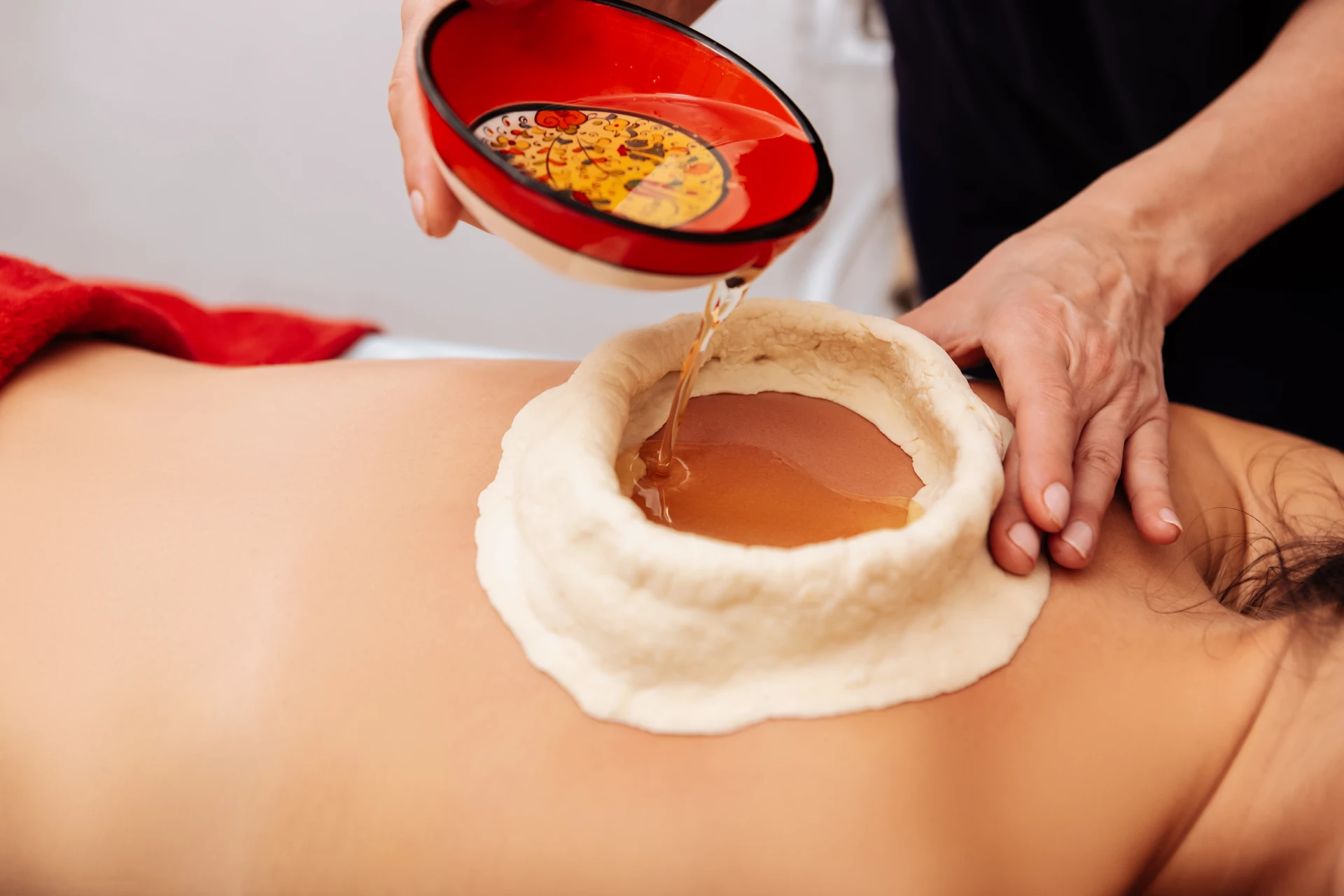
Among Panchakarma therapies, Basti is considered especially important because Ayurveda considers it one of the most effective therapies for balancing aggravated Vata Dosha, the primary factor in many joint disorders.
Other therapies may include:
Abhyanga | Swedana | Janu Basti | Kati Basti | Patra Pinda Sweda | Lepam therapies
Treatment is personalised according to:
Type of arthritis | Severity of degeneration | Dosha predominance | Age and strength of the patient | Presence of inflammation or stiffness
Ayurveda strongly emphasises lifestyle correction in arthritis management because modern habits can worsen joint degeneration and Vata imbalance over time.
Factors such as:
Sedentary lifestyle | Lack of exercise | Disturbed digestion | Irregular meals | Weight gain | Stress | Improper posture | Excessively cold or processed foods
may aggravate stiffness, inflammation, and joint weakness further.
Treatment therefore also focuses on:
Dietary correction | Digestive improvement | Lifestyle regulation | Weight management | Gentle exercise and movement | Stress and sleep management
At Ojas Ayurved, arthritis care is approached through a holistic and root cause based Ayurvedic perspective focused on strengthening joints, improving mobility, supporting long term comfort, and enhancing quality of life naturally.

info@ojasayurved.com
+91 989014 3920 +91 20 82370 38169
Samruddhi society first floor flat no 1. United western colony. Near Tathawade udyan. Opposite Keyur 60 and chintamani society. Karve Nagar Pune 411052