5, Upendra – 1 Society, Opp. Hotel Nisarg, Nal – Stop Pune – 411 004

Spinal Stenosis

What is Spinal Stenosis?

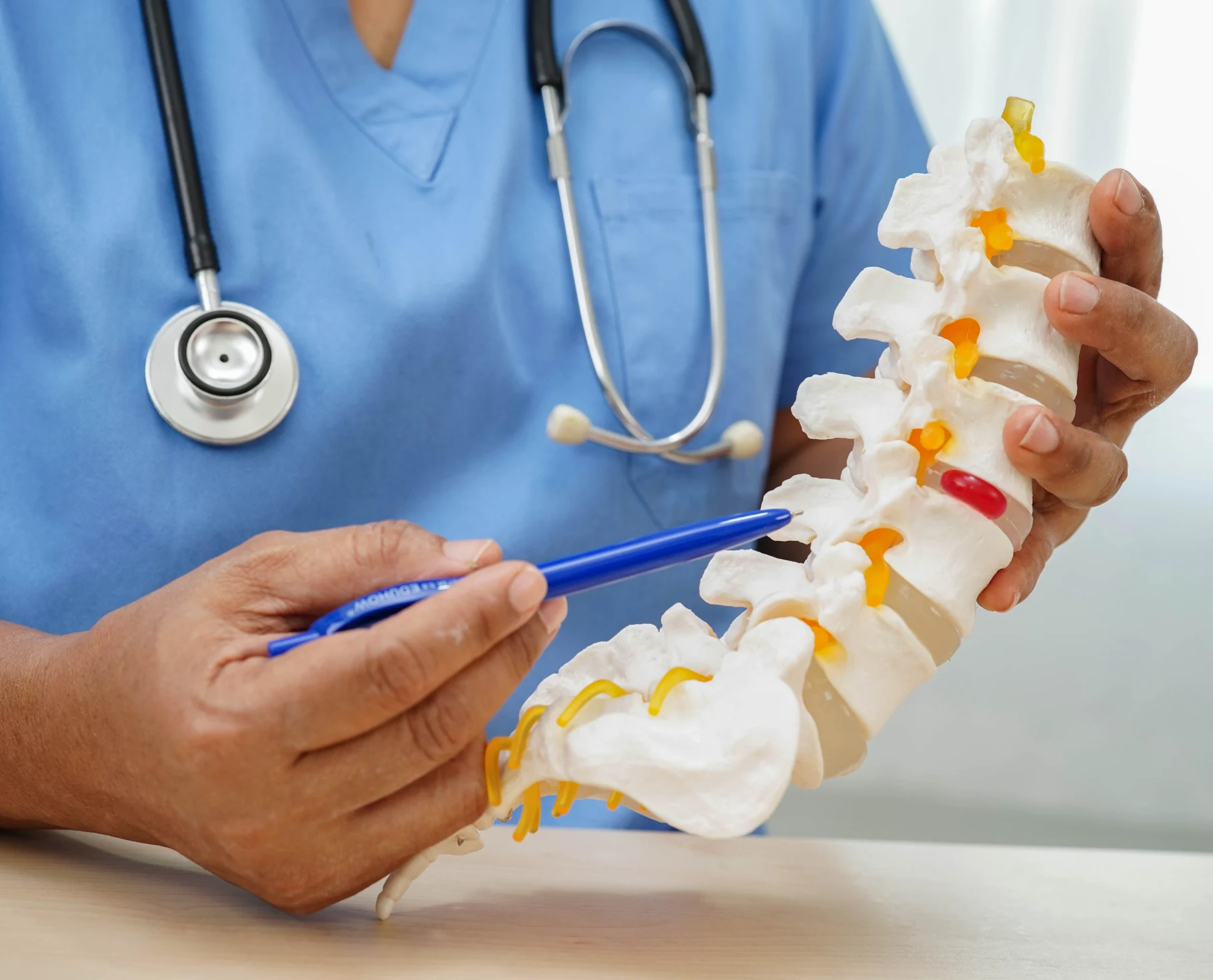
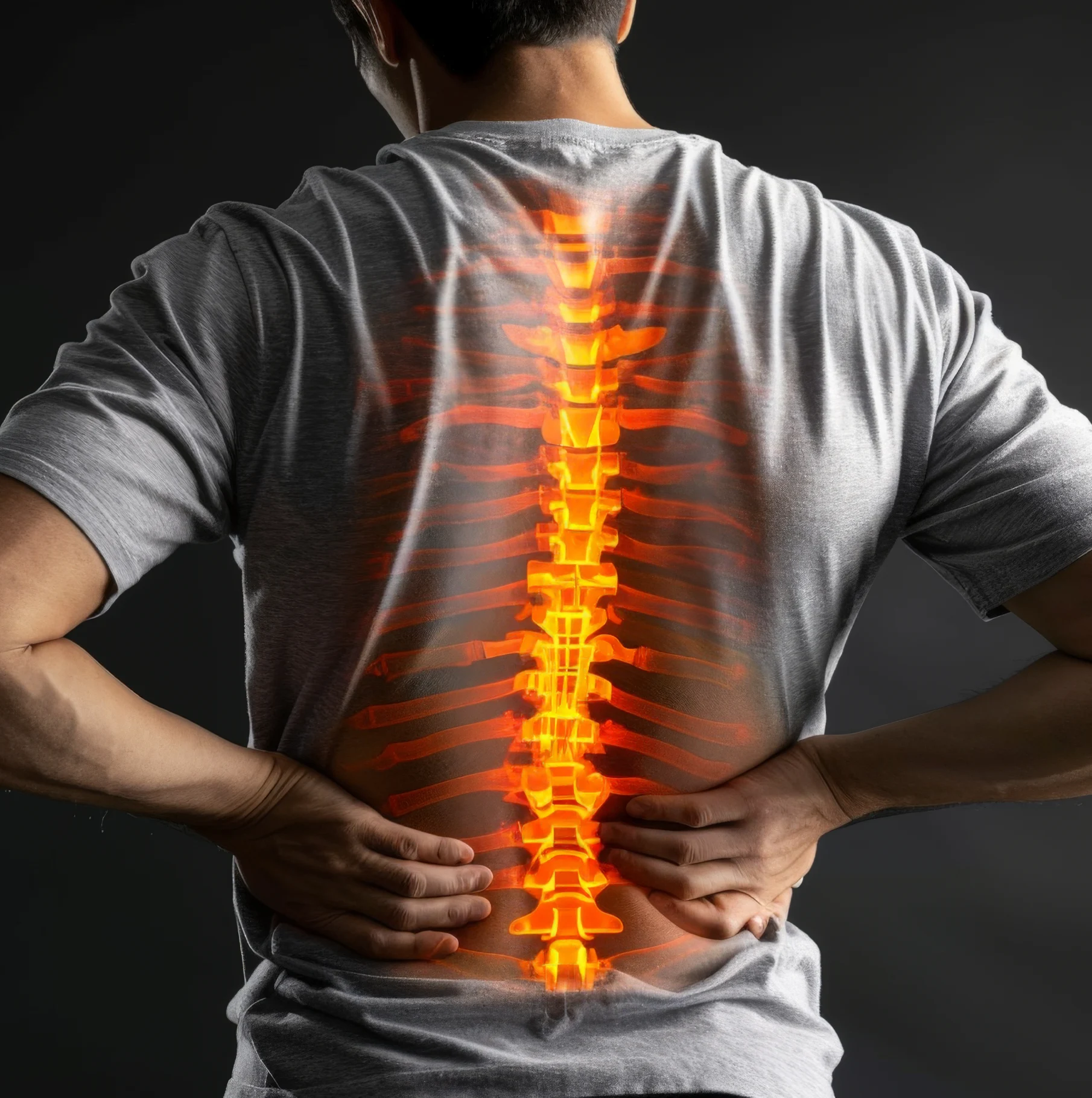
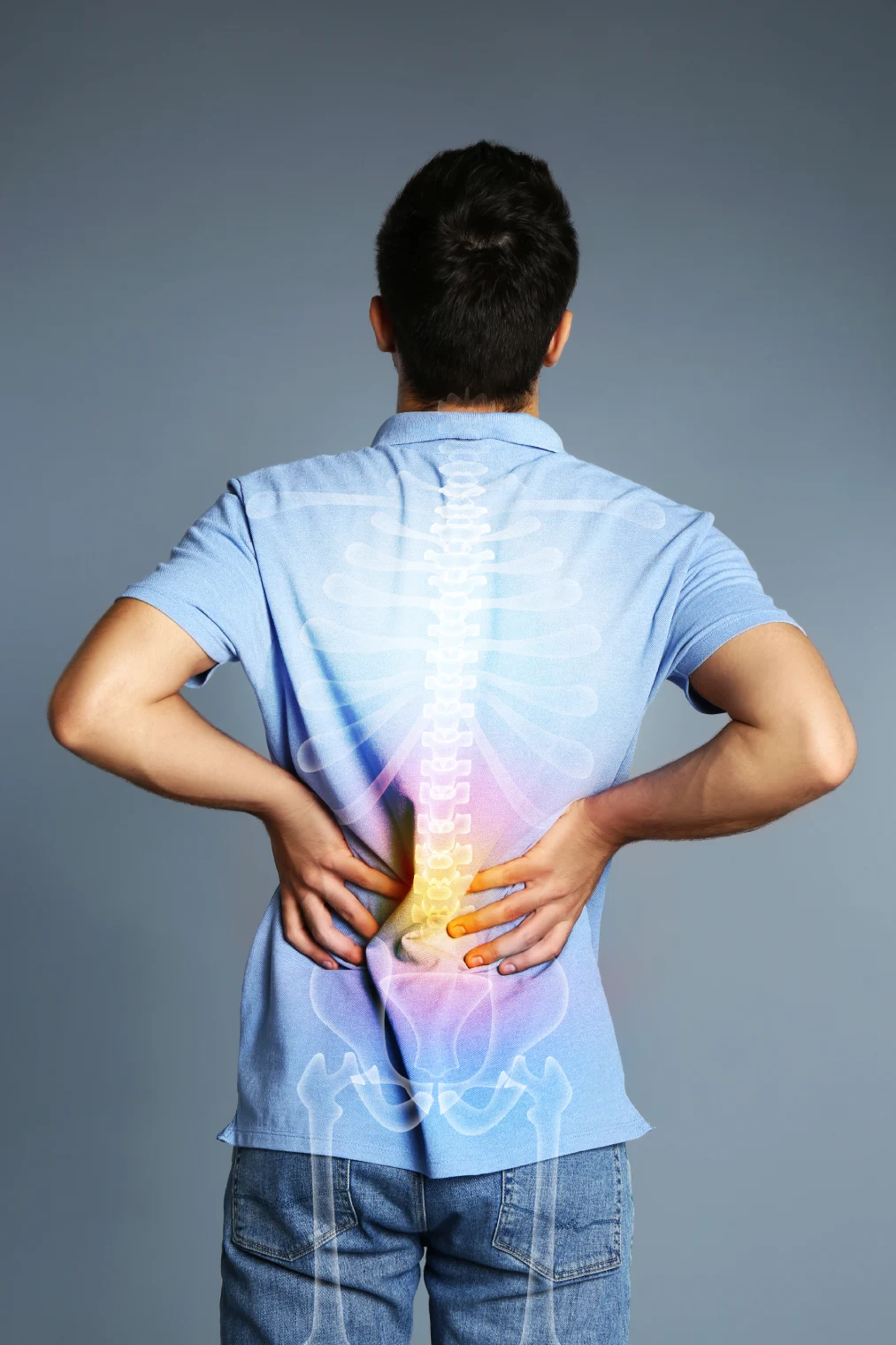
Spinal stenosis is a condition where the spaces within your spine narrow, putting pressure on the spinal cord and nerves. This compression can lead to pain, numbness, tingling, or weakness, typically in the lower back and legs or the neck and arms.

In Ayurveda, spinal stenosis is viewed as a Vata disorder—caused by degeneration and dryness in the spine’s structural tissues (bones, discs, ligaments). As Vata increases, it leads to stiff joints, nerve compression, and loss of mobility. While it is commonly age-related, spinal stenosis can also develop due to injury, poor posture, or lifestyle imbalances.

Types of Spinal Stenosis

Spinal stenosis can affect different areas of the spine:

Lumbar Spinal Stenosis

Affects the lower back, causing pain or cramping in legs while walking or standing.

Cervical Spinal Stenosis

Affects the neck, potentially leading to arm/hand weakness, balance issues, or even bladder dysfunction.

Thoracic Spinal Stenosis

Less common, affects the middle back and may cause radiating pain or nerve pressure symptoms.
Causes of Spinal Stenosis

Some common causes include:
From an Ayurvedic lens, increased Vata dosha, inadequate nourishment of bone tissue (Asthi dhatu), and toxin accumulation (Ama) play a central role.

Ayurvedic Treatment for Spinal Stenosis at Ojas Ayurved

At Ojas Ayurved, our approach focuses on balancing Vata dosha, reducing inflammation, strengthening the spine, and relieving nerve compression—offering long-term relief without surgery.

🩺 Individual Diagnosis

Through Ayurvedic consultation and Nadi Pariksha, we assess your body type and disease stage to determine the best line of treatment.

Ayurvedic Medicines

We use a combination of ayurvedic medicine for spinal stenosis that may include:

  • Rasnasaptak Kwath – For inflammation and stiffness
  • Trayodashang Guggul – Strengthens nerves and reduces pain
  • Ashwagandha and Shuddha Shilajit – Improve strength and bone health
  • Maharasnadi Kashayam, Dashmoolarishta – Address chronic Vata imbalance

These medicines help nourish spinal tissues, reduce inflammation, and improve circulation.

Panchakarma Therapies

Panchakarma is crucial in spinal stenosis ayurvedic treatment:

  • Kati Basti – Medicated oil pooling on the lower back to reduce pain and stiffness
  • Abhyanga – Full-body oil massage to reduce Vata
  • Swedana (steam therapy) – Improves mobility and relaxes muscles
  • Basti (medicated enema) – Deep Vata balancing and detox
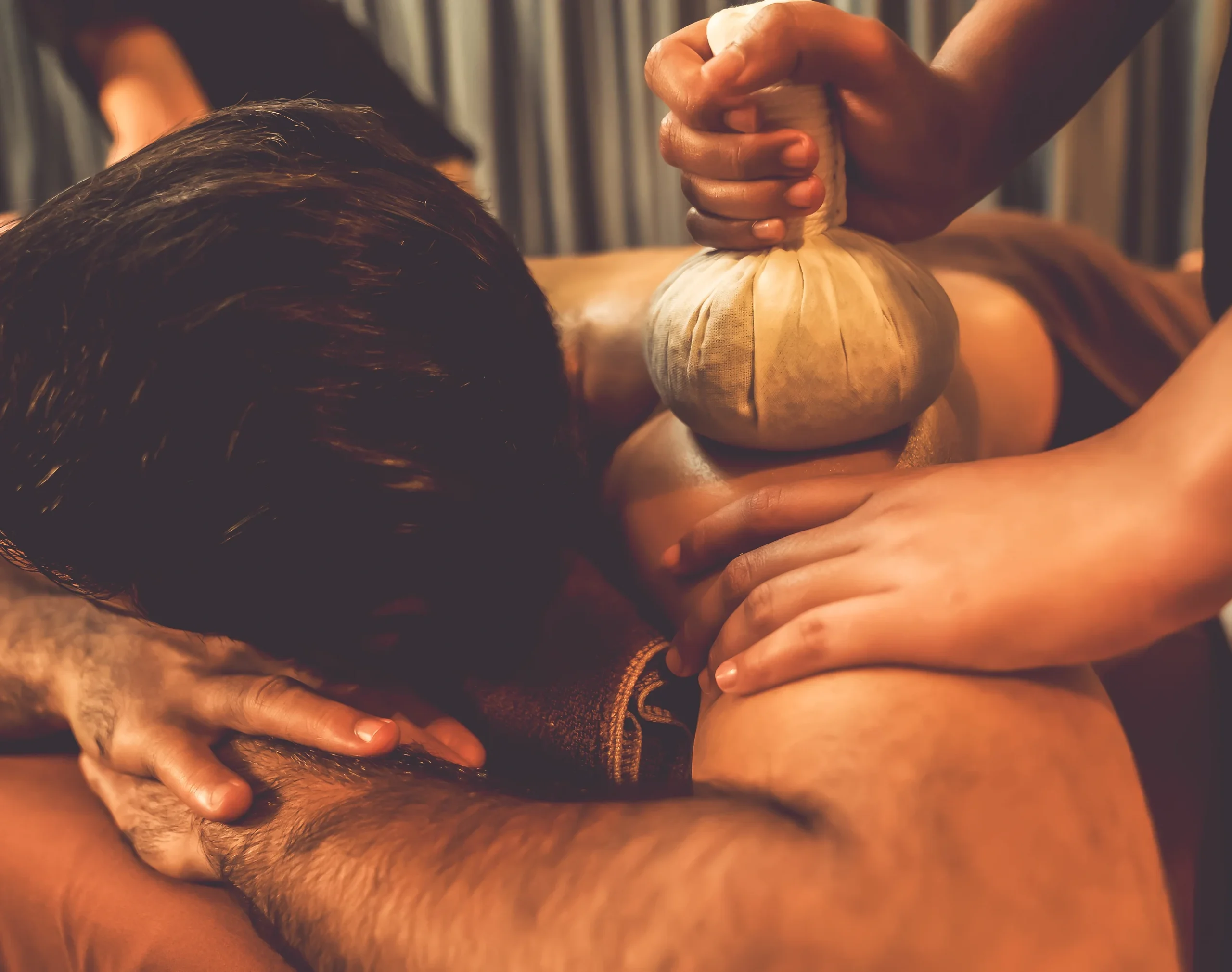
  • Pinda Sweda – Bolus massage therapy to strengthen nerves and bones

These therapies provide targeted relief for cervical and lumbar spinal stenosis.
Diet & Lifestyle Modifications

  • Vata-pacifying diet: warm, nourishing, unctuous foods
  • Avoid cold, dry, processed items
  • Gentle yoga for back support
  • Posture correction and ergonomic support
  • Adequate sleep and regular routine

Start Your Journey Toward Pain-Free Living

If you or a loved one is struggling with spinal stenosis, explore the healing power of Ayurvedic treatment at Ojas Ayurved. Our personalized therapies restore mobility, reduce nerve compression, and bring lasting comfort—naturally.

Most Popular Questions

If you have spinal stenosis, you must avoid activities that involve prolonged standing or walking, as these positions can further narrow the spinal canal and increase nerve compression. Avoid back extension exercises (leaning backward) and heavy lifting, which put excessive strain on the vertebrae. High-impact sports like running or jumping should be replaced with low-impact movements. In your daily life, avoid sleeping on a very soft mattress that doesn't support the spine's natural curve, and try not to maintain any single posture for more than 30 minutes at a time.
Stopping progression requires a combination of postural discipline and core strengthening. At Ojas Ayurved, we emphasize "Spinal Hygiene"—maintaining a slight forward pelvic tilt to open up the spinal canal space. Undergoing periodic Basti (Medicated Enema) treatments is crucial in Ayurveda, as it directly pacifies the Vata responsible for bone degeneration. Consistent weight management is also vital to reduce the load on your spine, alongside avoiding inflammatory foods that accelerate the wear and tear of spinal discs.
Natural improvement focuses on increasing the space in the spinal canal and reducing inflammation around the nerves. Kati Basti, an Ayurvedic treatment where warm medicated oil is pooled on the lower back, is highly effective for lubricating the discs and reducing stiffness. Gentle "flexion" based exercises, such as the Child’s Pose (Balasana) or knee-to-chest stretches, help open the spinal passage. Additionally, consuming anti-inflammatory herbs like Shallaki (Boswellia) and Guggulu helps reduce the swelling of the ligaments that contribute to the narrowing.
Spinal stenosis is typically a slow-moving, degenerative condition that progresses over many years. However, the rate of progression varies significantly based on lifestyle, genetics, and activity levels. If left unmanaged, the narrowing can lead to "neurogenic claudication," where walking even short distances becomes painful. By starting Ayurvedic Rasayana (rejuvenation) therapies early, you can significantly slow down this "wear and tear" process and maintain your mobility well into your senior years.
The most sustainable pain relief comes from reducing the pressure on the spinal nerves rather than just numbing the pain with pills. Ayurvedic Abhyanga (medicated massage) followed by Swedana (herbal steam) provides deep muscle relaxation and improves blood flow to the compressed area. For acute flares, using warm poultices made of Dashamoola herbs can provide immediate comfort. Long-term, specialized Yoga Therapy focused on spinal decompression provides the best relief by physically creating space for the nerves to breathe.

Send us a message