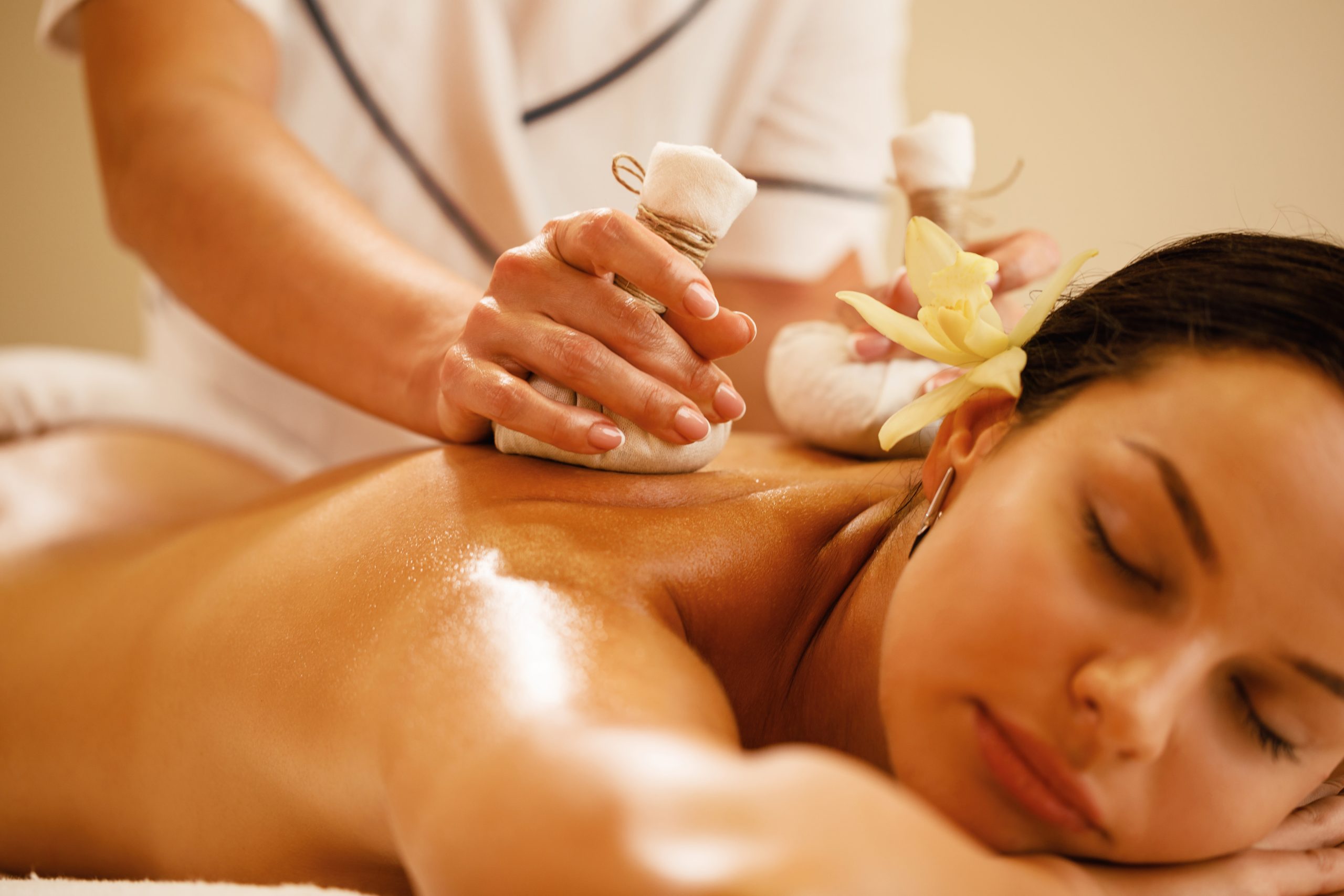
Daily Abhyanga for Strength, Balance, and Vitality
In Ayurveda, Abhyanga (self-massage) is considered an important daily practice for maintaining health and preventing disease. Regular oil massage nourishes the body tissues, improves circulation, and helps calm the nervous system.
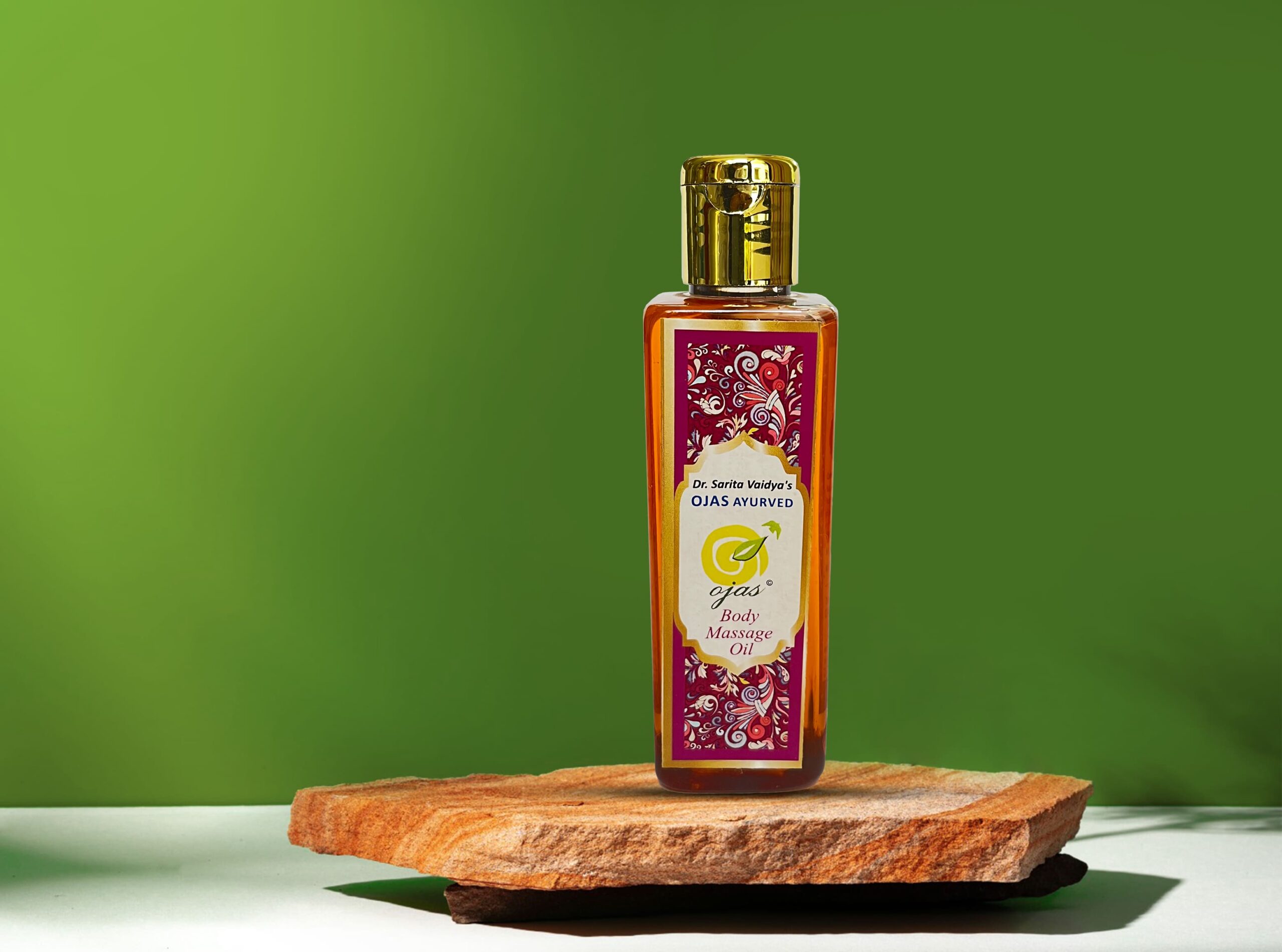
Ojas Massage Oil is formulated to support this traditional practice. The herbal oil deeply nourishes the body, helps relieve stiffness, and supports relaxation while balancing Vata dosha, which is often aggravated by stress, fatigue, and sedentary lifestyles.
Benefits
Nourishes muscles and body tissues
Improves circulation and flexibility
Helps relieve stiffness and fatigue
Supports relaxation and stress relief
Helps maintain Vata balance
How to Use
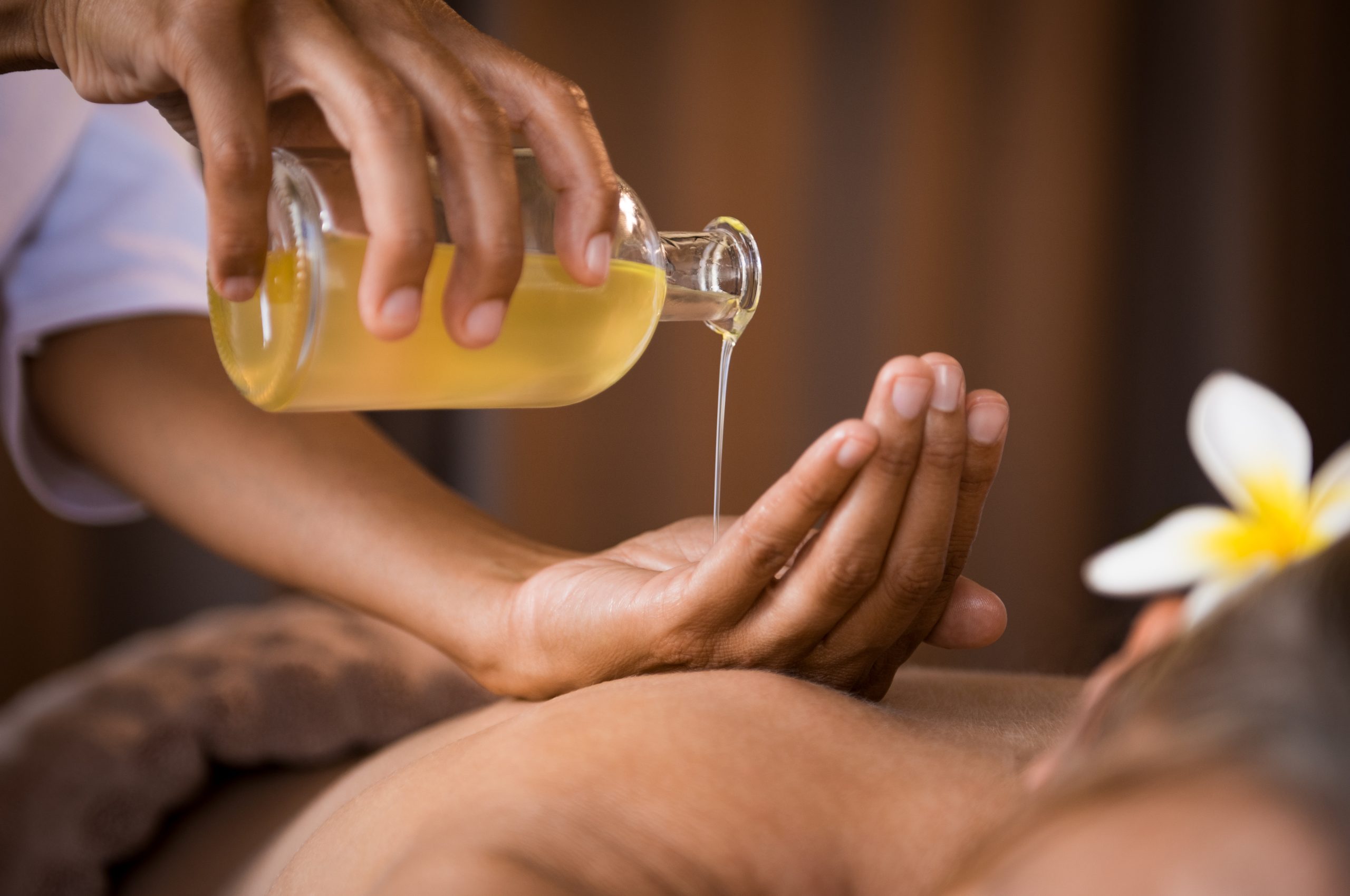
Slightly warm the oil before application.
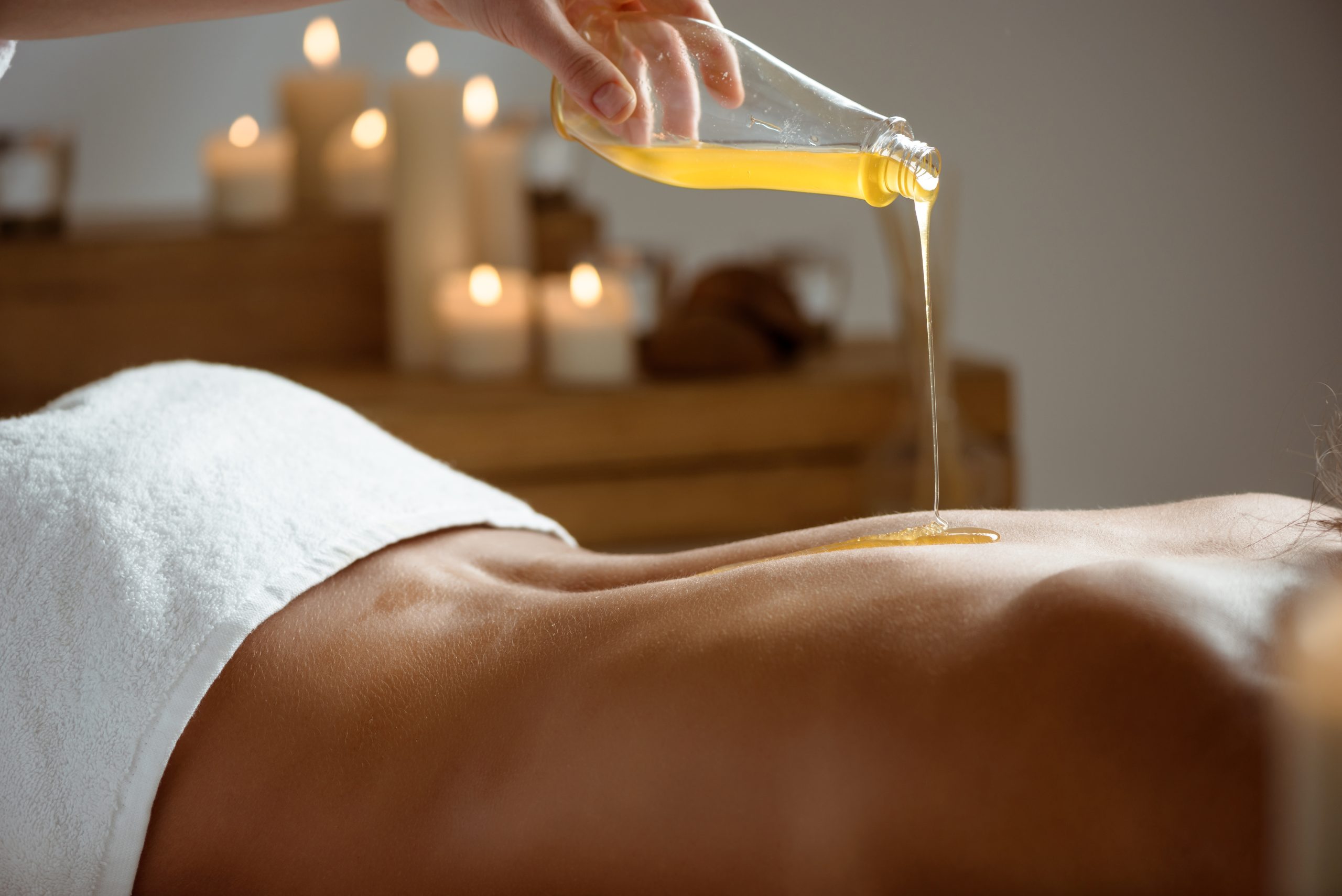
Apply generously over the body.
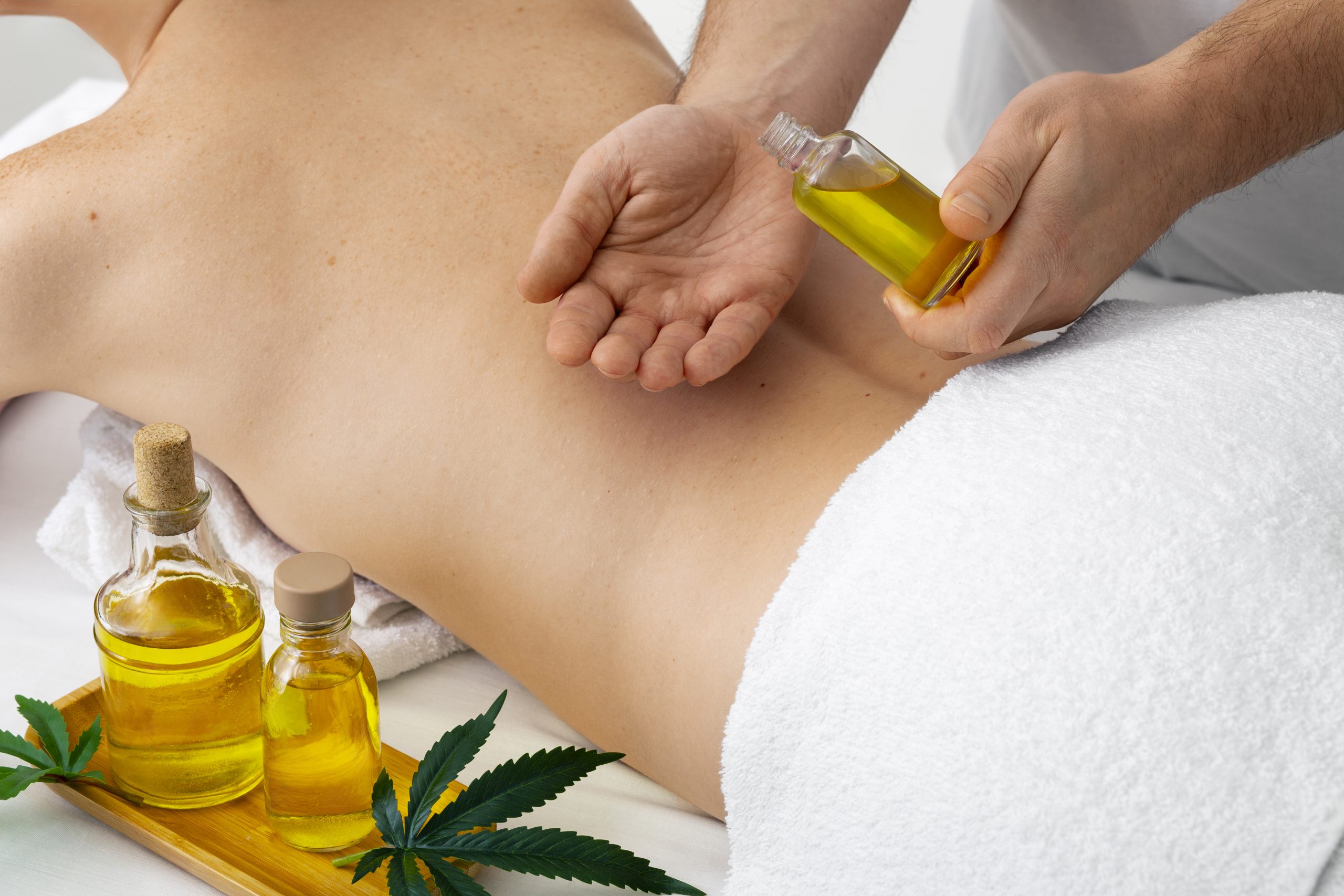
Massage gently using long strokes on limbs and circular motions over joints.
Leave for 20–30 minutes.
Take a warm bath afterward.
Ayurvedic Massage Oil
Time Tested Ayurvedic Massage Oil - Body Massage Oil
Ojas Ambrosia body massage oil is a very special product of Ojas Ayurved. This product has been researched a lot. It has been used for more than 25 years. Now we are launching it under the banner of Ambrosia series.
All products of Ambrosia series are time and again tested for its quality and results. Our skin is the largest organ of the body. This organ is the best medium to apply medicines too. That is why in Ayurveda, concept of medicated oil is very important and widely used.
Why Our Skin Needs Best Penetrating Nutrition?
Ayurveda also believes that your skin is one of the important dyanendriya that is a sense organ. So how to protect this important organ in our daily fast lifestyle?
Our skin is daily exposed to outside dust, sun rays and pollution. That makes the skin dry. Many times to avoid the dryness, cream based moisturisers are applied to the skin, which makes skin smooth but it works superficially.
What our skin needs is the best penetrating nutrition. Once the nourishment of the skin is good, dryness goes away.
Benefits of Ayurvedic Body Massage Oil
Ayurveda firmly believes in Snehanam. Snehanam is Abhyangam. That is applying oil to your body. Applying oil everday to the body has been mentioned in Ayurveda. This gives the skin necessary moisturization. Nourishes the skin.
When the skin is nourished well, the skin tone improves. Good tone to skin keeps the skin tight. So skin aging becomes very very slow, which keeps skin glowing and you look young for your age always.
Ojas Ambrosia Ayurvedic Massage Oil for Weight Loss, Muscle Pain, Knee Pain, Nerve Pain, Body Pain etc.
Applying Ayurvedic Body Massage Oil to your Skin
Another important aspect behind application of oil is , it not only nourishes your skin but also strengthens muscles. Muscles are body’s power centres.
Nowadays, many different exercises are done for muscle gain, body building in which muscle building is very important part. But exercise, that to heavy exercise also increases wear and tear of your body.
Why Body Massage Oil is Necessary?
In our everyday routine, like walking, running, driving a bike, car driving ..all activities are related to muscle underneath the skin. So to make your muscles strong every day application of Ojas Body Massage oil is necessary.
Is it Good to use Body Massage Oil Daily?
Why Everyday? The answer to this question is very simple. Any building can not be built in a day. It takes time from foundation stone till last painting of the building. Similarly, muscle strengthening, skin nourishment are not a one day job. Consistant application of oil will make it strong.
So applying Ojas massage oil everyday will give you the good strength with beautiful glowing skin !!! Contact Us for more details